

Koh Kood
Koh Kood has no 7-Eleven, and on a Thai island that measures how little has been built. Bungalows on quiet bays, reef off the sand at Bang Bao, and beaches you find by following a lane.
Koh Kood in a nutshell
Koh Kood: what to expect
Read against 1,756,000+ planned stops across Thailand on Stippl, this is how the island sits.
Koh Kood is an island people go to in order to do very little, and it is arranged for exactly that. It runs twenty-five kilometres end to end with no taxis, so a rented scooter is the whole transport system. Khlong Chao is the largest of the three waterfalls, free and swimmable, and the cross-island road to the stilt villages at Ao Salad and Laem Thian is the best hour on the island. You can snorkel a reef straight off the sand at Bang Bao. Most travellers give it 3 nights on Stippl.
Koh Kood is planned further ahead than anywhere else in Thailand. Travellers leave 102 days between planning a Koh Kood stop on Stippl and arriving, and 26.7% of them settle it more than six months out. The island is boat-only, forty-five kilometres off the mainland, and the bed supply is small and mostly at the comfortable end.
Three or four nights, and the point is that nothing here has to be done. Ride the cross-island road once for its own sake, find one of the southern bays by following a lane past a café rather than by navigating to a beach, and keep the two smaller waterfalls at Khlong Yai Ki and Huang Nam Khiao for after rain, which is the one thing the wet season is good for. Boats leave from Laem Sok pier near Trat and take up to an hour and a half, so both ends of the stay lose half a day.
Plan Koh Kood in Stippl
Day-by-day planning, stays and budget in one app, with every place from this guide already on the map.
Download the appWho Koh Kood is for
Anyone wanting real quiet
The island's whole proposition is that little happens, and people who like it say so plainly.
Couples and honeymooners
The accommodation skews to bungalows and small resorts on quiet bays rather than to dorms and bars.
Families wanting calm water
West-coast bays, shallow entries and a short list of things that can go wrong, against islands where the road is the risk.
Anyone doing Koh Chang
The two are one trip rather than two, and most people give Koh Kood 3 nights on the way through.
Travellers crossing to Cambodia
The eastern seaboard is the overland corridor, and the island sits at the end of it.
Snorkellers who do not dive
Bang Bao and the offshore reefs are reachable without a course or a liveaboard.
Maybe not for you: solo backpackers looking for company, since there is very little hostel layer and no nightlife to speak of; anyone without a scooter licence; anyone on a west-coast Andaman route; and anyone arriving between June and September, when the sea is rough and the speedboats stop.
The best time to visit Koh Kood
High season
October to mid May
The ferry companies' own calendar, and it governs everything else: full timetables, speedboats running, every resort open. December to March is the settled centre, March and April the hottest.
Low season
mid May to mid October
The speedboats are withdrawn and only the larger ferries run, some resorts close for maintenance, and the rates are the lowest of the year.
- Koh Kood's speedboats stop from 16 May to 15 October, on the ferry companies' own dates. The bigger passenger ferries still cross, but the timetable shrinks and a same-day connection from Bangkok stops being safe to assume.
- Koh Kood is planned about 102 days ahead on Stippl, and only 8.4% of its plans are made inside a fortnight. It is one of the least last-minute islands in Thailand, which fits a place with no 7-Eleven and a short ferry list.
- The closures cluster in September rather than spreading across the wet months. An early-September visit finds the island workable and a late-September one patchy; the waterfalls are better after rain.
Add your Koh Kood dates and we'll flag the weather
Stippl shows the season, crowds and prices for every stop on your route.
Describe your trip, get a Koh Kood itinerary in seconds
Everything in this guide is already in Stippl. Tell the planner how long you have and what you like: it builds the route, the days and the travel times, and you edit whatever you want.
Things to do in Koh Kood
 Photo by Christophe95 via Wikimedia
Khlong Chao waterfall
Swim in the largest of the island's three falls, free to enter, ten minutes' walk from the road and easy to reach. Go early and you share it with a handful of people.
The ride to the east coast
Take the cross-island road to the stilt fishing villages at Ao Salad and Laem Thian, the best hour on the island for the road itself rather than the destination. A scooter for the day is about €6.
A beach that is not on the map
Follow a lane past a resort or a café to one of the southern bays that no signpost names; this is the island's actual pastime. Ao Jark and Ao Phrao are where to start.
Snorkelling off Bang Bao
Swim out to the reef from the sand at Bang Bao, without a boat, a course or a liveaboard. Best in the morning before the wind, and the resort rents masks for a few euros.
The other two waterfalls
Find Khlong Yai Ki and Huang Nam Khiao, smaller and quieter than Khlong Chao and better after rain, which is the one thing the wet season is good for here. Both are free and signposted from the main road.
Doing nothing on an empty beach
Spend a day on a beach with nobody on it, which is what the island is for and what the length of stay here says people come for. Three nights is the usual booking, and it is the right one.
The neighbourhoods of Koh Kood
Khlong Chao
The centre, such as it is
The island's centre of gravity: the longest run of accommodation, restaurants and minimarts, the waterfall trail behind it and the bridge everyone gives directions from. For first visits and anyone without a scooter.
Most places to eat on foot, and the busiest beach on a quiet island.
Ao Tapao
Old pier, quiet mid-range
Just north of Khlong Chao around the old pier: quieter mid-range resorts and the closest beach to the hospital, bank and main stores. For families who want services within five minutes and a calm beach.
The services next door, and a resort beach rather than a wild one.
Ao Phrao
Long, empty, a few resorts
A wide quiet beach nearly a kilometre long with only a handful of resorts on it and a pharmacy on the main road. For a resort week and for people who want the beach to themselves.
Almost nobody on the sand, and a scooter for anything beyond the resort.
Ngamkho
Small bay, village behind
A small bay south of Khlong Chao with a village behind it and the island's post office, and a couple of bungalow places on the sand. For longer stays that want village life and the strip nearby.
Village life and a beach, and a ten-minute ride to the restaurants.
Bang Bao
Reef off the beach
A southern bay with the best snorkelling straight off the sand and a few restaurants along it. For snorkellers and for a quiet base at the far end of the road.
The one reef worth the swim, and the longest ride to everything else.
See every Koh Kood neighbourhood on one map
Save the areas you like and Stippl plots your days so you're not crossing the city twice.
Where to stay in Koh Kood
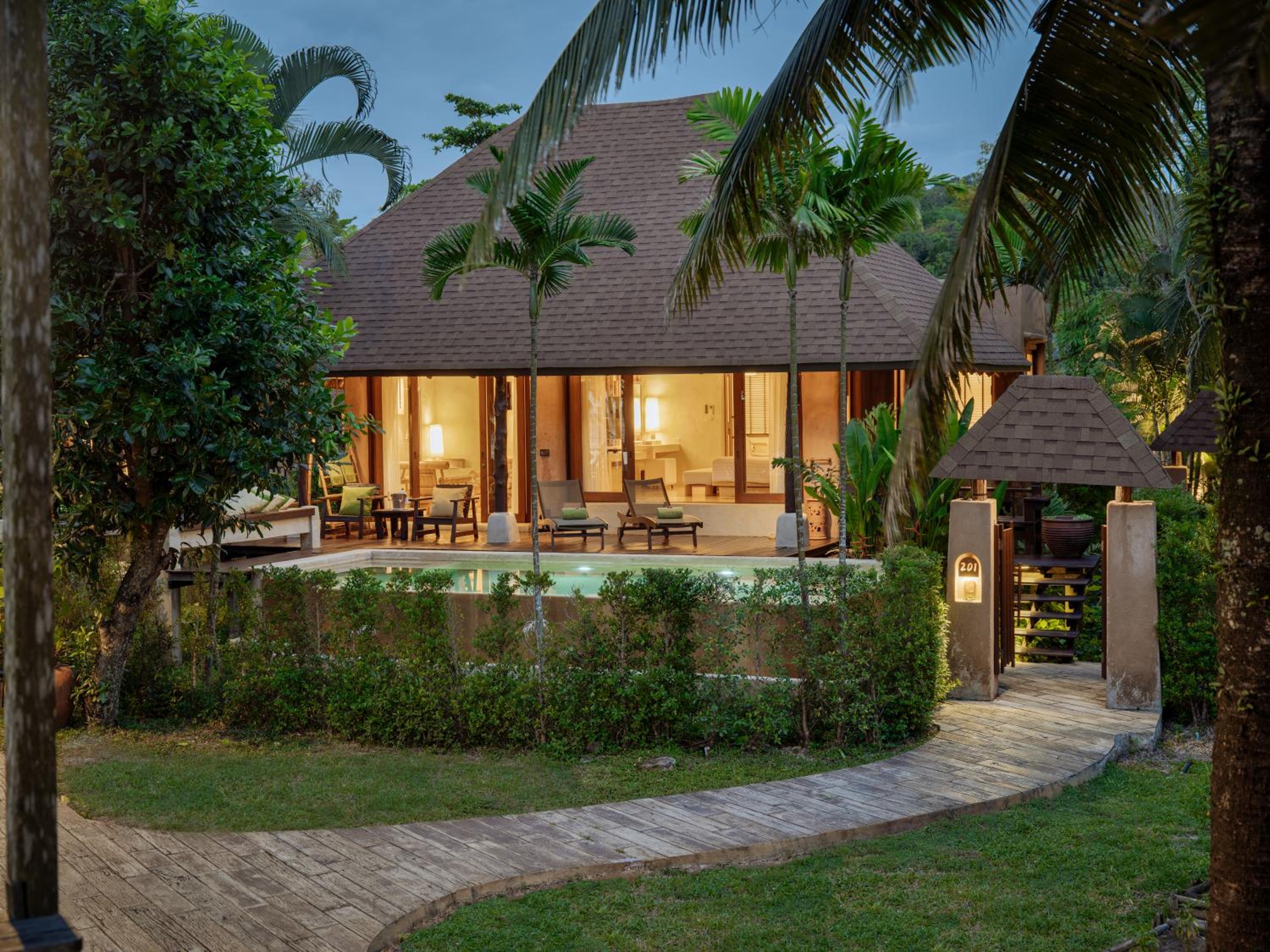
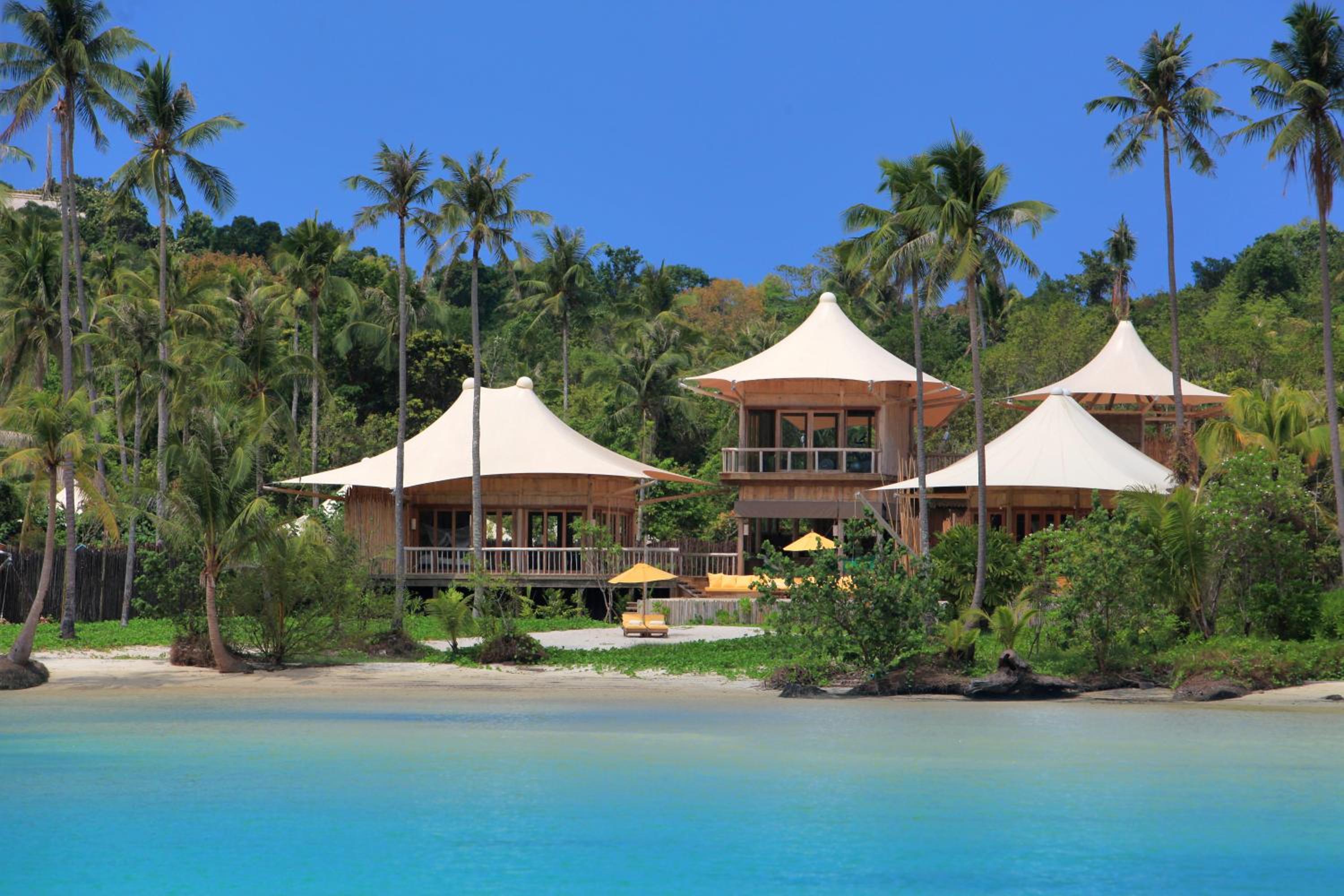
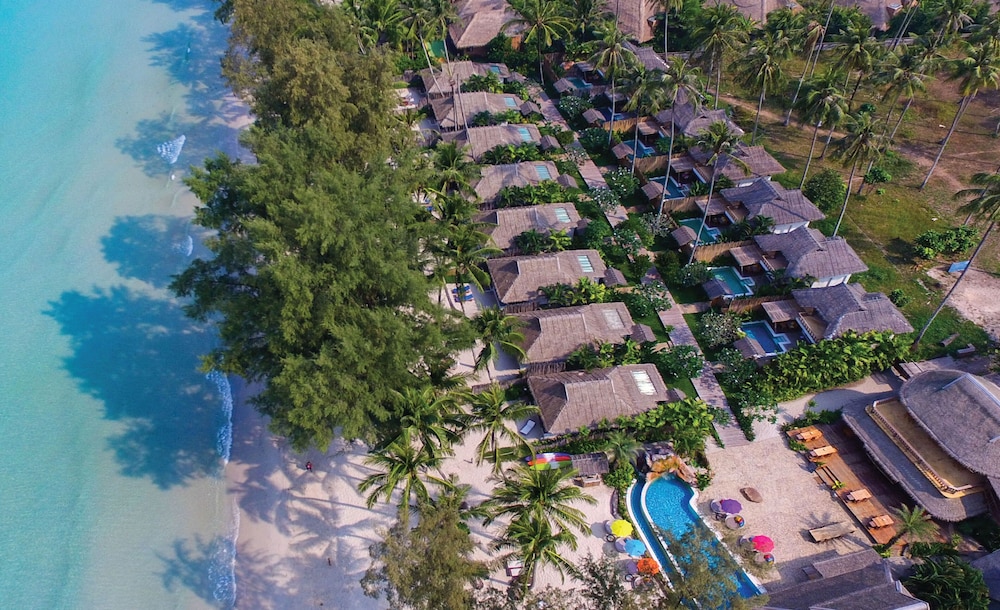
Stay on Khlong Chao for a first visit: it is the island's centre of gravity, with the longest run of rooms, restaurants and minimarts, and the waterfall trail behind it. Most people give Koh Kood 3 nights on Stippl. Book further ahead than the island's quiet reputation suggests; the total number of rooms is small and the whole stock fills through the December to February high season.
Khlong Chao
€40–90
Simple bungalows and guesthouses from €20, small resorts €50 to €120, on both banks of the river.
Ao Tapao
€35–80
Quieter mid-range resorts with pools around the old pier, €50 to €130, close to the clinic and the bank.
Ao Phrao
€40–100
A handful of resorts on a long empty beach, €60 to €150, each with its own restaurant and scooters.
Ngamkho
€25–60
A couple of bungalow places on the sand and rooms in the village, €20 to €60, for slower stays.
Bang Bao
€35–80
Small resorts and bungalows over the water, €40 to €120, with the snorkelling straight off the beach.


What to eat in Koh Kood
Whatever the boats brought in, grilled or in a curry. The island still fishes for a living
The sour orange curry of the southern and eastern coasts, made with fish
Rice soup, the standard Thai breakfast
The dish every visitor orders; for what it should cost
Griddled sweet flatbread, the standard Thai island dessert
Discover food spots in Stippl
Find restaurants and markets on the map, save them to your itinerary, works offline too.
Koh Kood customs and what not to do
A working island first
Fishing families live at Ao Salad, Ao Yai and Laem Thian and the villages are places of work rather than attractions; photograph people only with a nod first.
Bring it or do without
If you know you need something, bring it; there is no 7-Eleven, no pharmacy on every corner and the island may simply not have it.
Crime barely registers
The police station exists mostly for accident reports and insurance paperwork, so the risk here is the road and the sea, not other people.
Beachwear stays on the beach
A shirt on for the cross-island road and the village shops, as everywhere in Thailand; the resorts are relaxed and the villages are not.
Do
- Carry cash for the small places, even though the ATMs now exist
- Ask at the accommodation before riding to a beach with no road sign
- Take food and water to the southern bays
- Slow down on the cross-island road; it is narrow, hilly and there is no ambulance behind you
Don't
- Assume a restaurant can turn a table quickly
- Plan a tight connection off the island in low season
- Ride without the licence your insurance requires
- Expect a bar strip; the island has none
What a Koh Kood trip costs
Budget
€25–35
A simple bungalow or guesthouse room, local restaurants, a shared scooter.
Mid-range
€60–100
A beach resort room with air conditioning, resort meals, a scooter of your own.
High-end
€200+
The small luxury resorts, and at the very top a rate in a different bracket entirely.
Track what you actually spend
Set a daily budget per country and log expenses in any currency while you travel.
Fun facts about Koh Kood
There is no 7-Eleven on Koh Kood. In Thailand that is a genuine measure of how undeveloped somewhere is, and the island is proud of it.
No vehicle ferry has ever served the island. Cars cannot arrive in numbers, so the road network stays a network of lanes, which explains the atmosphere better than any description of the beaches.
Two of the island's better beaches cannot be found on a map. Directions are given via a resort or a café instead, and the beaches stay empty because of it.
Koh Kood ran on generators until a mainland power cable was laid. The change is recent enough that most published descriptions still warn about evening blackouts that no longer happen.
Koh Kood is the last Thai island before the Cambodian maritime border. It sits at the eastern end of the Trat archipelago, spelled Ko Kut on most Thai signage, and has no airport.
Every beach worth the name is on the west coast. The east side is mangrove, headland and two stilt fishing villages, and the interior is forest with three waterfalls coming off it.
Local tips for Koh Kood
Four boats work Laem Sok
Boonsiri, Seudamgo, Koh Kood Express and Koh Kood Princess, three or four sailings a day each way in high season. The pier is south of Trat and the boat companies run the transfer from town.
The fare is about €16 each way
Koh Kood Princess is the cheap option at about €11, and the low end is approximate. Book the return at the same time; the speedboats stop in the low season.
The scooter is the network
There is no bus, no taxi rank and no songthaew; a rented scooter arranged through the accommodation for about €6 a day is the transport system. Every bay is on the same single road.
How long to stay
Most people give Koh Kood 3 nights on Stippl, which is the waterfalls, the east coast and a day of nothing on a beach with nobody on it.
There is a hospital
A small public one on the inland road at Hin Dam and a private clinic at Ao Salad with a nurse around the clock. Anything serious means a boat to Trat at your own cost.
No same-day flight out
The low-season crossings are weather-dependent by the operators' own statement, and the eastern piers take waves over them in a storm. Sleep on the mainland before a flight.
Koh Kood questions, answered
By boat from Laem Sok pier near Trat, in forty-five minutes to an hour and a half, and there is no airport. Getting to Trat is a flight or a long drive from Bangkok, so both ends of the stay take half a day. Lay those halves into the route in Stippl rather than counting them as beach days.
Quiet by Thai standards and deliberately so: 2.90% of Thailand trips planned on Stippl include Koh Kood. There are no taxis, very little at the budget end of the beds, and several of the best beaches are reached by following a lane past a resort rather than by navigating to them.
Straight off the sand at Bang Bao, without a boat, a course or a liveaboard, which is unusual on this coast. The reef sits close enough in to swim to. For anything further out, the dive operations are mostly on Koh Chang rather than here, so bring the ambition and leave the tanks.
Most people do, because they sit in the same chain south of Trat and one boat run connects them. Koh Chang is bigger, busier and easier to reach, while Koh Kood is emptier and further out. Only 18.3% of Koh Kood stops planned on Stippl are a single night, so treat it as the longer half of the pair.
Three for most, and the longest stays run to 6 nights on Stippl. That is what an island costing half a day to reach from the mainland and half a day to leave tends to produce, and it is why almost nobody treats Koh Kood as a stop between two other places.
November to April, with December to March the settled centre of it. Outside those months the boats reduce, some places close for the season, and the two smaller waterfalls are the only thing that improves. The island runs on the Gulf's east-coast calendar, which is the opposite of the Andaman's.
Every guide is written by the Stippl editors and checked against the trips our travellers actually plan. Spotted something out of date? Let us know.

Plan Koh Kood in Stippl
Day-by-day planning, stays and budget in one app, with every place from this guide already on the map.
Download the app