

Yala National Park
Yala is a national park where the scrub runs into open surf, and the full-day drive stops at a beach inside it. It is the best chance of a wild leopard in Sri Lanka.
Yala National Park in a nutshell
Yala National Park: what to expect
Our travellers have planned 253,000+ stops in Sri Lanka on Stippl. That is where the numbers here come from.
Yala is a safari, not a stay. The park is dry scrub, lagoon and open coast on Sri Lanka's southeast corner, and it holds one of the highest leopard densities in the world, around 25 of them in Block I alone. Drives leave before dawn and again in the afternoon and run about four hours: leopard, elephant, sloth bear, crocodile, buffalo, peacock. Most travellers give Yala 1 night.
Yala is the one place in Sri Lanka people plan without sleeping. 43.7% of stays here are a single night, and plenty of people never book one at all. The beds are twenty minutes away in Tissamaharama anyway, near the Palatupana gate, so the park is something you drive into at dawn and out of by lunchtime.
The jeep jam is the reason to think twice. One radio call can bring thirty to fifty vehicles to a single animal, and guides increasingly finish the Yala article by sending people to Udawalawe instead. Blocks III to V through the Galge gate give the same landscape with a fraction of the traffic for about 15% more, which is the single most useful thing written about this park. February to July is the window, April to July for leopards, and Block I usually closes in September.
Plan Yala National Park in Stippl
Day-by-day planning, stays and budget in one app, with every place from this guide already on the map.
Download the appWho Yala National Park is for
Anyone wanting a leopard
The density is genuinely exceptional, and a real chance of a sighting is the reason the park exists on itineraries.
First-time safari-goers
The logistics are solved: every hotel books it, every jeep has a tracker, and the park is four hours from the south coast.
Families
A half-day drive is about the right length, elephants are near-certain, and most people give it 1 night.
Photographers
The light and the sightings are both good, with the caveat that Block I in season is a scrum.
Maybe not for you: September visitors, when Block I is normally closed; anyone who wants quiet, since December to April brings queues of jeeps; and anyone for whom the ethics matter more than the sighting, because convoys racing to radio calls are a real objection.
The best time to visit Yala National Park
The window
February to July
Dry, and from April the leopard window: low water, short grass and the animals concentrated at what water is left. May and June are the pick, with the crowds gone.
The closure
September to early October
Block I is normally closed for maintenance, and the closure sometimes runs into October as the rains start.
The wet-green season
November to January
Migratory birds arrive, the park is green, and December opens the busy high season.
- Block I usually closes for a few weeks in September, sometimes into early October. Check the park's dates before booking a Tissamaharama stay in that window; Blocks III to V via the Galge gate stay open.
- The leopard window is April to July. Waterholes shrink and the grass is short, so the sightings peak exactly when the January crowds have gone; a May safari has better odds and fewer jeeps.
- Yala is planned about 75 days ahead on Stippl, and only 12.99% of its plans are made inside a fortnight. Every hotel books the jeep, so the month matters more than the lead.
- Block I in high season is a scrum. December to March fills the main gate with jeeps; the same landscape via the Galge gate has a fraction of the vehicles for about fifteen per cent more.
Add your Yala National Park dates and we'll flag the weather
Stippl shows the season, crowds and prices for every stop on your route.
Describe your trip, get a Yala National Park itinerary in seconds
Everything in this guide is already in Stippl. Tell the planner how long you have and what you like: it builds the route, the days and the travel times, and you edit whatever you want.
Things to do in Yala National Park


The morning Block I safari
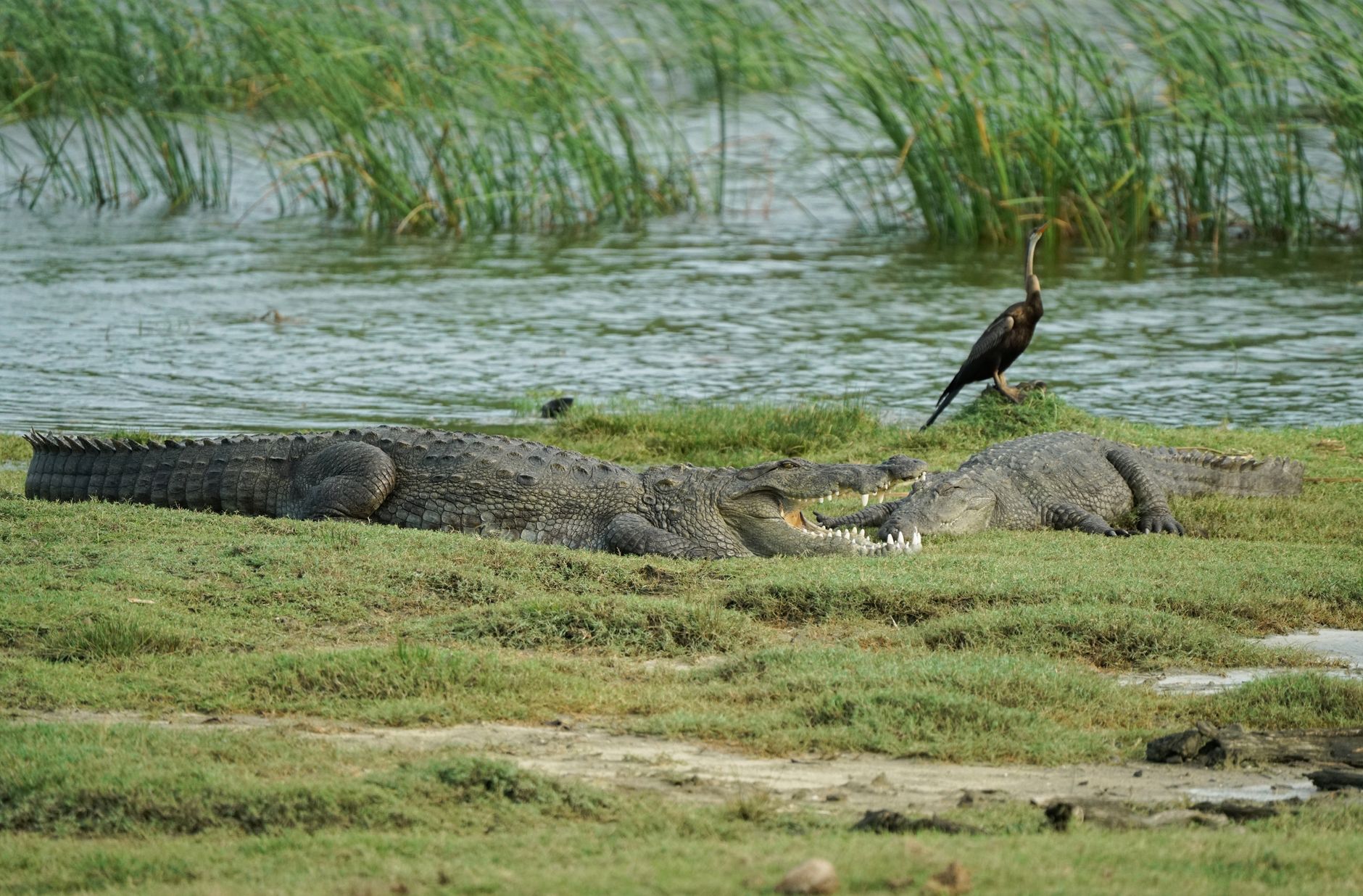
Be at the Palatupana gate by half past five for the six o'clock opening and four hours of leopard, elephant, sloth bear, crocodile and buffalo, about €50 for the jeep plus the park fee. The queue at the gate decides the drive.
The afternoon drive
Take the two-to-six drive, the quieter half and the one the rangers themselves prefer. Same price, fewer jeeps, and the leopards move at the end of it.
The full-day drive
Book the six-to-six drive for both activity peaks, at about one and a half times the jeep price and a very long day. Bring the picnic; the jeep stops at Patanangala.
Blocks III to V via the Galge gate
Ask for the other gate: the same landscape with a fraction of the vehicles for about fifteen per cent more. The single most useful piece of advice about Yala.
Patanangala beach
Stop at the coastal picnic spot inside the park where the scrub meets the open ocean, included in the drive. The tsunami memorial is beside it.
Birding from November to January
Come in the migratory months for 215 species and the waterfowl at their peak on the lagoons; a birding guide in the jeep is about €20 extra. The mornings are the birding drives.
The neighbourhoods of Yala National Park
Tissamaharama
Gateway town, lake, every price
The gateway town twenty minutes from the Palatupana gate: guesthouses, a lake, ATMs, the buses and every price point. For budget travellers, families and anyone who wants a town after the jeep.
The beds and the buses, and twenty minutes to the gate at five in the morning.
Palatupana
On the boundary, tented camps
Lodges and tented camps directly on the park edge, first through the gate in the morning. For a splurge and for the dawn drive without the queue.
Through the gate at six without queuing, and the price of the camp.
Inside the park
Tented lodges, resort prices
A handful of tented lodges within the boundary itself, at resort prices, with the animals around the camp at night. For the full safari night.
The only beds inside the boundary, and the bill that comes with them.
Kirinda
Coast road, quieter, further
South of Tissa towards the sea: quieter guesthouses and the rock temple by the beach, a short drive further from the gate. For quiet nights and the sea after the park.
Quiet and the coast, and a longer run to the gate.
See every Yala National Park neighbourhood on one map
Save the areas you like and Stippl plots your days so you're not crossing the city twice.
Where to stay in Yala National Park
Stay in Tissamaharama for value and on the park boundary at Palatupana for the early start: the lodges there are first through the gate, without the queue. 43.7% of Yala stops planned on Stippl are a single night, and two is right if the safari matters. Book the safari through the room; every place arranges the jeep and the driver.
Tissamaharama
Guesthouses and small hotels by the lake at every price, dorms from €4.50 and doubles €15 to €60.
Palatupana
Tented camps and safari lodges on the park edge, €120 to €350 with meals and the dawn drive.
Inside the park
A handful of tented lodges within the boundary at resort prices, €300 to €600, with the animals around camp at night.
Kirinda
Quieter guesthouses and a few small resorts near the beach and the rock temple, €25 to €80.


What to eat in Yala National Park
The full spread, this is guesthouse cooking country
Coffee and something wrapped, eaten at 04:30 or at the picnic stop
Set curd with kithul syrup, a southern dry-zone speciality
Chopped flatbread on a hot plate
Discover food spots in Stippl
Find restaurants and markets on the map, save them to your itinerary, works offline too.
Yala customs and what not to do
Every jeep carries a tracker
It is not optional and the tracker outranks the driver on the animals; he decides how close, and a good one says no to a convoy.
Pick the operator on behaviour
Not on price: the operators that cap vehicle numbers and hold back from sightings say so, and the ones that race a radio call are the reason the park has its reputation.
The park temples are active
Sithulpawwa inside the park is a working monastery on the pilgrim route, not a ruin to climb on; shoulders and knees covered if the jeep stops there.
Tip the driver and tracker
About €3 to €6 between them at the end of a half-day, in cash, handed to each; it is expected and it is what the tracker mostly lives on.
Do
- Be at the gate by half past five for a six o'clock opening
- Ask, before booking, how the operator handles a leopard call
- Consider Blocks III to V, and consider May or June
Don't
- Join a convoy racing a radio call; you can ask your driver not to
- Plan a September visit around Block I; it is closed
- Book solo at private-jeep prices; ask to be paired
What a Yala National Park trip costs
Track what you actually spend
Set a daily budget per country and log expenses in any currency while you travel.
Fun facts about Yala National Park
Yala National Park has an ocean frontage. The full-day drive stops at a beach inside the park, where the scrub runs into open surf, which no other park on the island can offer.
Researchers have documented flock behaviour among the jeeps. One leopard call draws 30 to 50 vehicles within minutes, so the overcrowding in Block I is measured rather than merely complained about.
There are temples inside the park nearly two thousand years old. Sithulpahuwa and Magul Vihara predate the protection by almost two millennia, and pilgrims still visit them through the gates.
Yala is booked earlier than anywhere else in Sri Lanka. On Stippl the safari is planned about 75 days ahead, longer than any other destination in the country.
Block I holds about 25 leopards. That is one of the highest densities recorded anywhere, in a park of about 1,268 square kilometres split into five blocks.
Yala has been protected since 1900 and a national park since 1938. That makes it one of the island's two oldest, and the 2004 tsunami hit its coastal strip along with everywhere else on the coast.
Local tips for Yala National Park
Tissa is the hub
Tissamaharama is where every bus and car terminates, and the park gate is twenty minutes on. There is no railway; the coastal line stops at Matara and the rest is road.
The jeep collects you
Standard operators include hotel pickup and drop-off or charge separately for it; check which when you book. A morning jeep is about €50 plus the park fee of about €40.
Most people stay one night
43.7% of stops are a single night: the afternoon drive, a bed in Tissa or Kirinda, and the morning drive. Two nights gets both blocks.
Three hours either way
Ella and the south coast are both about three hours away, which is why Yala sits between the hills and the beach on nearly every route. A car with the driver is about €45.
Stay in the vehicle
Elephants approach the queued jeeps looking for food, and the drivers stow luggage in the cab for exactly that reason. Keep the bags inside and the hands in.
It is hot and there is no shade
A morning drive starts at half past four and finishes in full sun; a full day is twelve hours of it. Water, a hat, and a leopard is luck, not a promise.
Yala National Park questions, answered
Book the jeep and the block, not just the day. Travellers planning Yala National Park on Stippl start about 75 days out, and the good drivers go first. Put one night into Stippl near the gate, so your drive starts before the queue at the entrance does.
One night, which buys you one drive. Plans built on Stippl settle on 1 night for Yala. Two nights buys a second drive, which is the honest answer to whether you want a realistic shot at a leopard rather than merely a good story.
Some do: 11.31% of Yala stops planned on Stippl carry no night at all, usually driven in from Tissamaharama or the coast. It works, and it costs you the dawn start, which is when the park is fullest of animals and emptiest of other jeeps.
A realistic chance, not a promise. The main block holds one of the highest leopard densities anywhere on earth, and people still do two drives and see nothing but a tail in the scrub. Go at first light, pick a driver who is not racing the radio, and treat a sighting as a bonus.
One of the two, not both. Yala for the leopard odds and the traffic that comes with them; Udawalawe for elephants you are all but guaranteed to see, at a lower price and with far fewer jeeps around you. Travellers pick one, and the choice is really about which animal you came for.
February to July, and April to July if leopards are the reason you are going. The main block usually closes for about a month around September for the dry season, so check before you build a route around it. Afternoon drives are quieter, and the rangers say the odds are no worse.
Every guide is written by the Stippl editors and checked against the trips our travellers actually plan. Spotted something out of date? Let us know.

Plan Yala National Park in Stippl
Day-by-day planning, stays and budget in one app, with every place from this guide already on the map.
Download the app