
Nuwara Eliya
Nuwara Eliya is the point of the trip for anyone who came for the tea, with working factories that end in a tasting and the Ella train eight kilometres away. World's End is an hour south, walked before the cloud.
Nuwara Eliya in a nutshell
Nuwara Eliya: what to expect
What follows sits on 253,000+ stops planned in Sri Lanka on Stippl.
Nuwara Eliya is a colonial hill station at 1,868 metres, and it is the one place in Sri Lanka where you will want a jacket. The British built it to escape the heat and the evidence is still standing: a racecourse, an eighteen-hole golf course, a mock-Tudor post office and rose gardens. The tea estates around it are the economy and the landscape both, and a factory tour ending in a tasting is the standard half-day. Gregory Lake is where the whole town walks at the weekend.
Nuwara Eliya turns up on the longest trips in Sri Lanka and gets one night out of them. Plans that carry it hold more Sri Lankan stops than plans carrying anywhere else in the country, and half the stops here are still a single night. What it sits beside is length rather than distance: Anuradhapura and Wilpattu, four hours away in the north-west, top its list.
Nuwara Eliya takes 1 night, two if you want Horton Plains. The nine-kilometre loop to World's End starts before dawn, because the cloud closes the cliff edge by mid-morning. February and March are the driest months, April fills the town for Sri Lankan New Year and the races, and the station is at Nanu Oya eight kilometres west, so every arrival ends in a tuk-tuk.
Plan Nuwara Eliya in Stippl
Day-by-day planning, stays and budget in one app, with every place from this guide already on the map.
Download the appWho Nuwara Eliya is for
Tea travellers
For anyone who came to Sri Lanka for the tea, Nuwara Eliya is the point of the whole trip.
Hill-country train travellers
Nanu Oya is where the Ella leg starts, and most people give the town 1 night between the two.
History travellers
The colonial oddity of the place, with its golf course, post office and race track, is the sight.
Walkers
Horton Plains and World's End are an hour south, and the early start is worth it before the cloud comes in.
Maybe not for you: anyone expecting warmth, since this is the one destination in the country where the evening needs a jacket; and anyone planning to base here, because the typical stay is one night on the way between Kandy and Ella.
The best time to visit Nuwara Eliya
The dry window
February and March
Clear, cold at night, and the best months for both the estates and Horton Plains.
The season
April
Sri Lankan New Year, the horse races, the town at its fullest and dearest.
The monsoon
May to September
Green, misty and cheap, with the views coming and going.
The wet end
October to December
The wettest months of the year.
- Mid April is Nuwara Eliya's season, and it is a Sri Lankan one. Colombo empties into the hill station for New Year, the racecourse and the golf course are in use and room rates peak; a foreign visitor either comes for it or comes in March.
- Horton Plains is a dawn walk in any month, because the cloud closes World's End by mid morning. Leave before six; from May to September the view is a lottery even then.
- Nuwara Eliya is planned about 66 days ahead on Stippl, and 14.6% of its plans are made inside a fortnight. Most stops are one night between the train legs.
- January nights are near ten degrees, the coldest a visitor sleeps in Sri Lanka. The hotels light fires; the layer you skipped on the coast is the one you need.
Add your Nuwara Eliya dates and we'll flag the weather
Stippl shows the season, crowds and prices for every stop on your route.
Describe your trip, get a Nuwara Eliya itinerary in seconds
Everything in this guide is already in Stippl. Tell the planner how long you have and what you like: it builds the route, the days and the travel times, and you edit whatever you want.
Things to do in Nuwara Eliya
 Photo by Saaketh PVR via Unsplash
 Photo by DON RANASINGHE via Unsplash
A tea factory tour
Take the tour through a working factory on the Kandy road, ending in a tasting and the shop, about €3 and forty minutes. The estates run them through the day; mornings see the leaf coming in.
Gregory Lake
Walk round the town's lake and park at a weekend, when the whole town does, with boats and horses for hire. Free to walk, and the lakeside carts sell the strawberries the district grows.
Horton Plains and World's End
Drive an hour south for the nine-kilometre loop across the high plateau to the 870-metre cliff edge, walked at dawn before the cloud closes it, about €28. Be at the gate at six; by ten the view is gone.
The colonial town
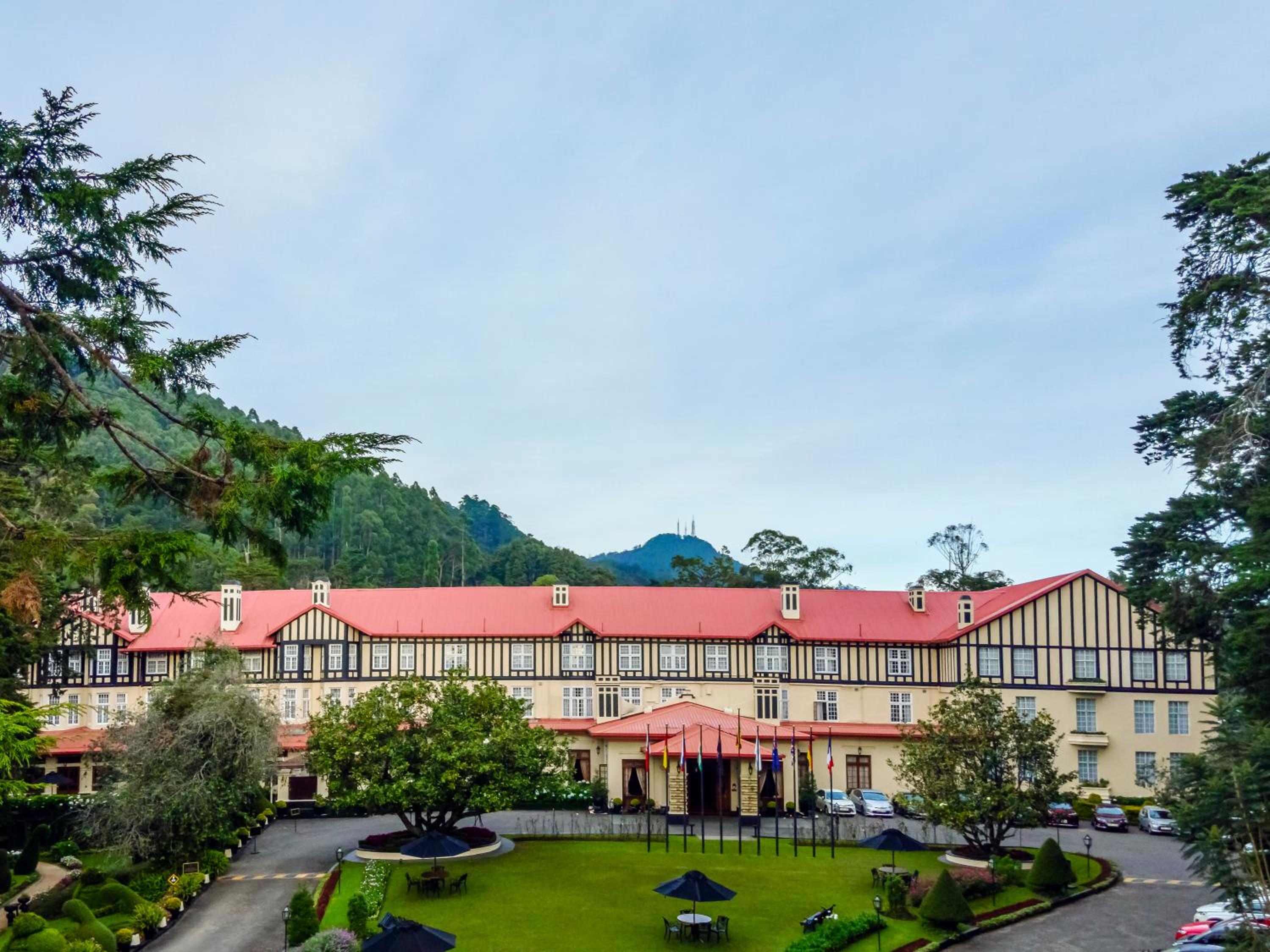
Walk the post office, the racecourse, the golf course and the grand hotels in an afternoon, free. The Grand Hotel's high tea is the way in.
The train to Ella
Board at Nanu Oya, eight kilometres west, for the photographed hill-country stretch through the tea, three hours to Ella for a few euros. Reserved seats go weeks ahead; second class unreserved has the open doors.
Ramboda Falls
Stop on the road up from Kandy at one of the country's tallest waterfalls, a hundred metres in two drops, free from the roadside and a short walk to the base. Best after rain.
The neighbourhoods of Nuwara Eliya
The town centre
Market, bus stand, cheap beds
The market, the bus stand, the post office and the cheap guesthouses, busy and unlovely. For budget travellers and for the bus at dawn.
The market and the cheapest beds, and a town with no charm.
Gregory Lake
Lake, park, mid-range hotels
The lake and its park at the southern edge, with the mid-range hotels along it. For families and for the whole town walking round the lake at weekends.
The lake at the door, and a walk into town for dinner.
The colonial quarter
Racecourse, grand hotels, tea
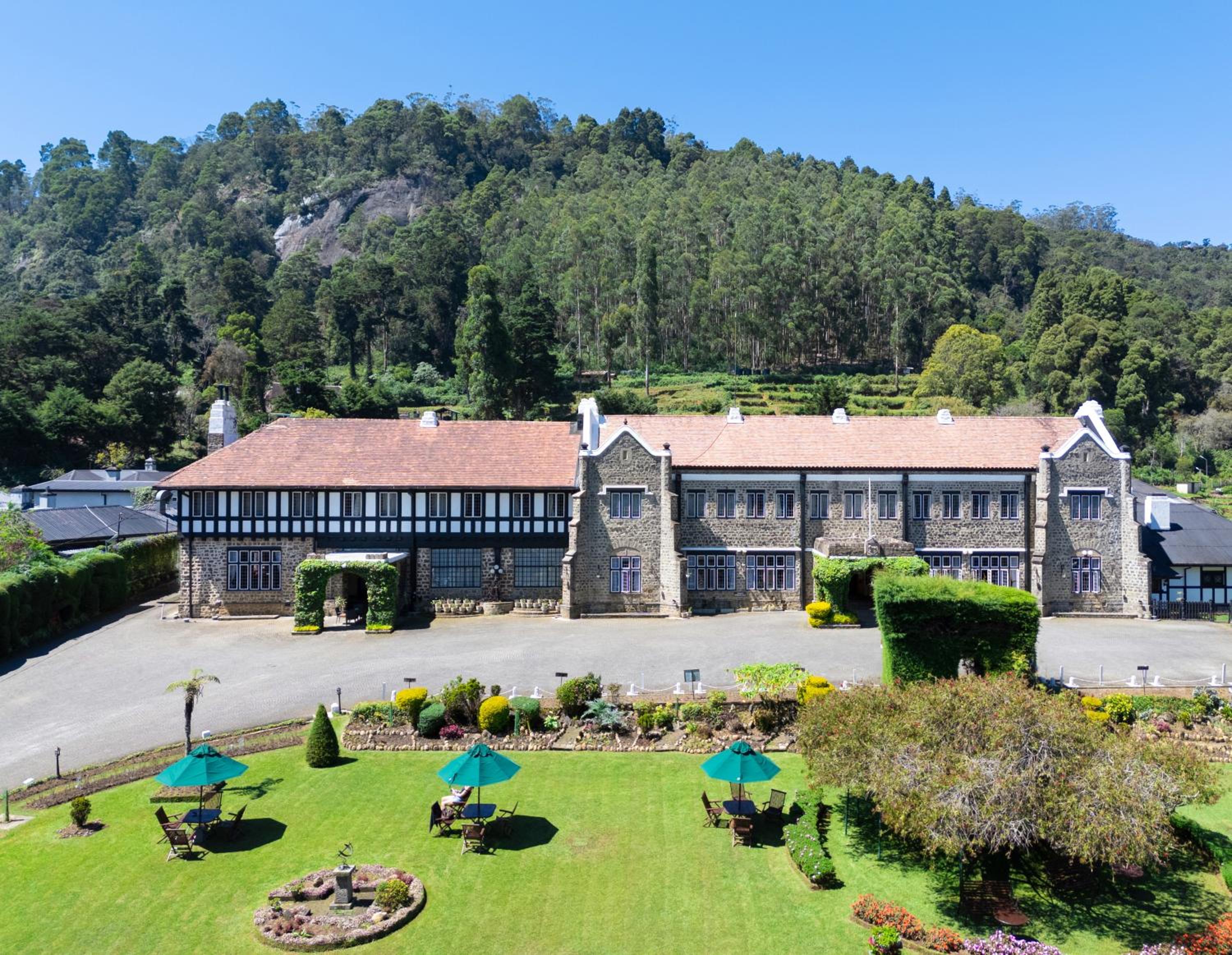
The racecourse, the golf course and the grand hotels north of the centre, with the mock-Tudor post office. For history and for afternoon tea in a hotel from another century.
The old hotels and the lawns, and prices from another century too.
The estates
Tea slopes, estate bungalows
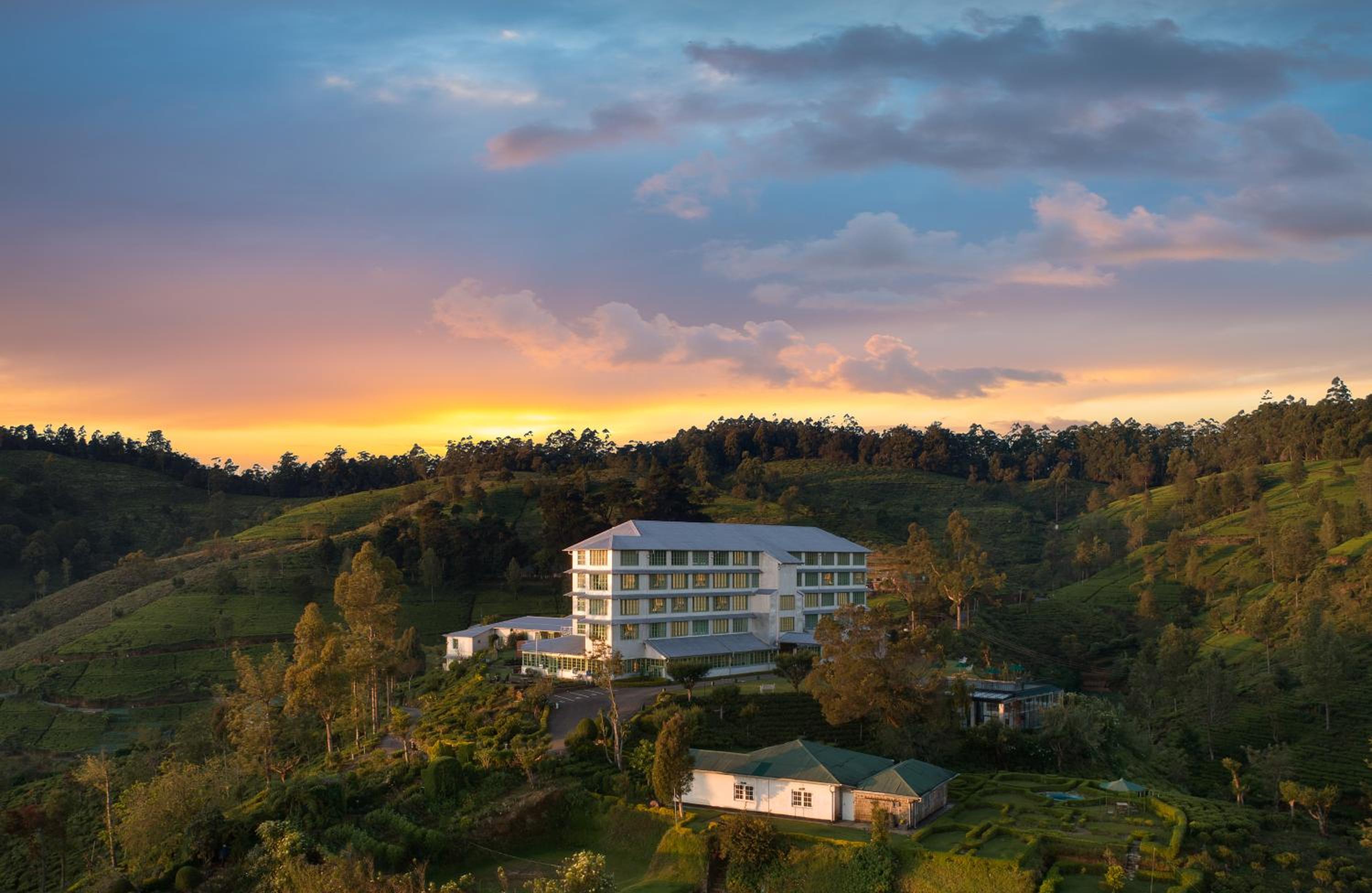
Tea plantations and estate bungalows on the slopes outside town, with the factory tours on the doorstep. For a night on a working estate and for the view at dawn.
Sleeping on a tea estate, and a drive for everything in town.
See every Nuwara Eliya neighbourhood on one map
Save the areas you like and Stippl plots your days so you're not crossing the city twice.
Where to stay in Nuwara Eliya
Stay on a tea estate outside town if you can: the estate bungalows are what the good stays here are, with the factory on the doorstep and the view from the veranda. 49.42% of Nuwara Eliya stops planned on Stippl are a single night. Rooms are cold and heating is rare, so ask about hot-water bottles in January, and book April ahead; the New Year season fills the town.
The town centre
Cheap guesthouses near the bus stand, €15 to €35, busy, unlovely and handy for the dawn bus.
Gregory Lake
Mid-range hotels and family guesthouses along the lake, €40 to €90.
The colonial quarter
The grand colonial hotels with open fires and afternoon tea, €120 to €300.
The estates
Planters' bungalows on working estates, €80 to €250 with meals, and the tea-country resorts from €300.


What to eat in Nuwara Eliya
The reason the town exists; estate-fresh and graded
Hill-country version: more root vegetables, less fish
A colonial survival, served properly at the grand hotels
Grown on the hill farms and sold at the roadside
Discover food spots in Stippl
Find restaurants and markets on the map, save them to your itinerary, works offline too.
Nuwara Eliya customs and what not to do
Tea pickers are working
The plantations are workplaces and the pickers are employees on piece rates; photographs are asked for, and the factory tour is the place to ask questions, not the field.
The nostalgia is marketing
The grand hotels sell Little England; the town itself is a Tamil and Sinhalese working town with a bus stand and a vegetable market, and that is the one to walk through.
Dress warmly and unremarkably
This is a conservative up-country town and it is cold: a warm layer for the evening, covered shoulders and knees in town, and no beachwear anywhere near it.
The Hindu temples are Tamil
The plantation communities are Tamil and their kovils are in daily use; shoes off, shoulders covered, and the interior is not for photographs.
Do
- Take the dawn slot at Horton Plains; the cloud closes World's End by mid-morning
- Ask before photographing tea pickers
- Bring a warm layer; nothing else in Sri Lanka needs one
Don't
- Expect the town itself to be the attraction
- Count on the Kandy train; check the line's status first
- Leave the tea tasting without asking which grade you are drinking
What a Nuwara Eliya trip costs
Track what you actually spend
Set a daily budget per country and log expenses in any currency while you travel.
Fun facts about Nuwara Eliya
Nuwara Eliya is the coldest inhabited place most visitors to Sri Lanka will see. A 16.2 degree annual mean and January nights near 10, on an island whose coast never drops below 23.
The town has an 18-hole golf course and a racecourse from the British era. Both are still in use, alongside a mock-Tudor post office, hedges and rose gardens, which is why everyone calls it Little England.
Sri Lanka's highest peak rises directly behind the town. Pidurutalagala, at 2,524 metres, is a restricted military zone, so the summit is seen and not climbed.
Nuwara Eliya is the highest town in Sri Lanka at 1,868 metres. It is the centre of the tea country, and the estates are both the economy and the reason the hillsides look the way they do.
The railway station is at Nanu Oya, 8 km from the town. Every train arrival means a tuk-tuk into Nuwara Eliya, which is the first surprise for anyone coming up from Kandy.
Nuwara Eliya sits on the longest trips in the country and gets one night. On Stippl it appears on itineraries with more Sri Lankan stops than any other town, and most of them sleep here once.
Local tips for Nuwara Eliya
The station is out of town
Nanu Oya is the stop, west of the town, and the transfer is a tuk-tuk for about €5. Reserved seats open thirty days ahead and sell out; unreserved second class is always available.
Board at Nanu Oya for Ella
The photographed stretch of the hill-country line starts here, three hours to Ella for a few euros. This is the origin, so the unreserved carriages board with room.
Most people stay one night
49.42% of stops are a single night, which is the town and a tea factory. Two nights is what Horton Plains needs, because the walk starts at six.
Pack for the cold
Unheated rooms at ten degrees surprise people arriving from the coast, and the nights are genuinely dark; the town closes early. A jumper, and arrange the ride back to an estate stay.
Horton Plains at dawn
A nine-kilometre walk at 2,100 metres in an exposed landscape, with the cloud closing World's End by ten. Be at the gate at six, in layers, with leeches on the wet stretches after rain.
The road up is slow
Winding and slow, and motion sickness is a real complaint on the Kandy leg. Sit at the front of the bus or take the train from Kandy as far as it runs.
Nuwara Eliya questions, answered
Between Kandy and Ella, on the tea road. Nuwara Eliya carries 4.56% of everything planned in Sri Lanka on Stippl, mostly as one night on the way up or down. Put Horton Plains into Stippl as its own pre-dawn morning if the second night is to earn itself.
One night. Most people give Nuwara Eliya 1 night in the plans they build on Stippl, which covers a tea estate, the lake and dinner in one of the old colonial hotels. Two nights if Horton Plains is in the plan, because that one starts before dawn.
For about half of everyone: 49.42% of Nuwara Eliya stops planned on Stippl are exactly one night. The town itself is not the draw and the estates around it are. If Horton Plains and World's End are on your list, take the second night and the early start.
Cold enough to surprise you: mid-teens by day in January and around ten degrees at night, in a country whose coast never drops below the mid twenties. Rooms are almost never heated. Bring a fleece and ask for extra blankets, which every guesthouse here expects to be asked for.
Yes, and only if you leave before dawn. The cliff at World's End clouds over by mid-morning on most days, so the whole trip turns on being there by seven. It is a flat nine-kilometre loop across high grassland with a waterfall on the way back. Take a warm layer and go early.
Not especially. The centre is a busy strip of shops and traffic that looks nothing like the postcards. What people come for sits all around it: the tea estates and factories, the lake, the racecourse and the old hotels. Sleep on the edge of town rather than in the middle of it.
Every guide is written by the Stippl editors and checked against the trips our travellers actually plan. Spotted something out of date? Let us know.

Plan Nuwara Eliya in Stippl
Day-by-day planning, stays and budget in one app, with every place from this guide already on the map.
Download the app