
Mirissa
Mirissa is blue whales from a boat at half past six, in a season narrow enough that the dates decide the trip, and a town where nothing is gated. Weligama's beginner surf break is fifteen minutes west.
Mirissa in a nutshell
Mirissa: what to expect
253,000+ stops in Sri Lanka are planned on Stippl, and this is the shape they make.
Mirissa is one curved bay with a headland at each end, and it is the country's whale-watching port. Boats leave the harbour before dawn between late November and April, and the blue whale is what they go out for. Coconut Tree Hill is a coconut plantation on the eastern headland and the most photographed spot on the south coast, Parrot Rock stands straight off the main beach and is crossable only at low tide, and Secret Beach is three small coves ten minutes on foot around the other side.
Mirissa is where a Sri Lanka trip stops moving. Stays here run longer than anywhere else in the country, one traveller in ten stays more than four nights, and only a fifth of the stops are a single night. Trincomalee turns up on fewer Mirissa trips than chance would predict, because the two coasts run opposite monsoons and you end up choosing one.
Mirissa wants 2 nights or three, and it wants them between December and March. Outside that window the whales are on the other side of the island, which is the single most expensive mistake you can make here. Weligama is fifteen minutes west for a first surf lesson, Galle is an hour along the coast, and the rip currents on the main beach are real, so swim where people are swimming.
Plan Mirissa in Stippl
Day-by-day planning, stays and budget in one app, with every place from this guide already on the map.
Download the appWho Mirissa is for
Town people, not resort people
Everything in Mirissa is walkable and nothing is gated, and most people give it 2 nights.
Whale watchers
The blue whales are here in season, and the season is narrow, so the dates decide the trip.
Backpackers
The hostel strip and the bar scene that comes with it are the reason the beach is busy after dark.
Couples
The hill villas above the bay and the sunrise headlands are the other Mirissa, a few minutes' walk from the first.
Maybe not for you: nervous swimmers, since the currents off the main beach are real; and anyone visiting May to October, when the south-west monsoon is in and the whales have gone.
The best time to visit Mirissa
The season
December to March
Dry, calm seas, the whales, and the highest prices of the year. The dry season and the whale season coincide on this coast.
The shoulder
April and November
Usable, cheaper, and the uncertain edges of the whale season.
The monsoon
May to October
Rough sea, rain and no whales. The rooms are at their cheapest, and the monsoon that closes Mirissa opens Trincomalee.
- The whales are here from December to March, and the dates decide the trip. Boats leave the harbour around half past six; outside the window there is no sighting to sell, and in November and April the odds are a gamble.
- Mirissa is planned about 69 days ahead on Stippl, and 14.0% of its plans are made inside a fortnight. That works on the hostel strip; the hill villas above the bay go early in January.
- Poya days stop the alcohol sales, and on this strip the beach bars are the evening. The full moon moves each month; the sunrise headlands are the same.
Add your Mirissa dates and we'll flag the weather
Stippl shows the season, crowds and prices for every stop on your route.
Describe your trip, get a Mirissa itinerary in seconds
Everything in this guide is already in Stippl. Tell the planner how long you have and what you like: it builds the route, the days and the travel times, and you edit whatever you want.
Things to do in Mirissa
 Photo by Eirik Skarstein via Unsplash
Whale watching
Go out from the harbour at half past six for blue whales, sperm whales and spinner dolphins, four to six hours and about €50, from late November to April. Pick an operator with a distance policy and a smaller boat.
Coconut Tree Hill
Walk fifteen minutes east along the beach to the coconut plantation on the headland, the most photographed spot on the south coast. Free, best at sunrise, and check the tide if walking along the sand.
Parrot Rock
Wade out to the rock straight off the main beach and climb the steps to the top, crossable at low tide only. Sunset is crowded and sunrise is not.
Secret Beach
Walk ten minutes from the road around the western headland to three small coves with snorkelling and a few restaurants. Free, and the second cove is the calm one.
Surfing at Weligama
Take a lesson fifteen minutes west on the country's beginner break, about €15 an hour with the board from the schools on the sand. Mornings before the wind.
Turtle snorkelling
Snorkel off the bay for the turtles that come close to shore on this stretch, from the beach or a €10 boat. Early morning has the visibility, and the turtles are on the reef at the eastern end.
The neighbourhoods of Mirissa
The beach strip
Beach bars, sunbeds, grills
The bay itself: beach restaurants, bars, sunbeds and the noise that comes with them, with the whale boats leaving from behind. For first visits and nightlife.
The bay and the boats at the door, and the music until late.
Behind the beach
Homestays, quieter, cheaper
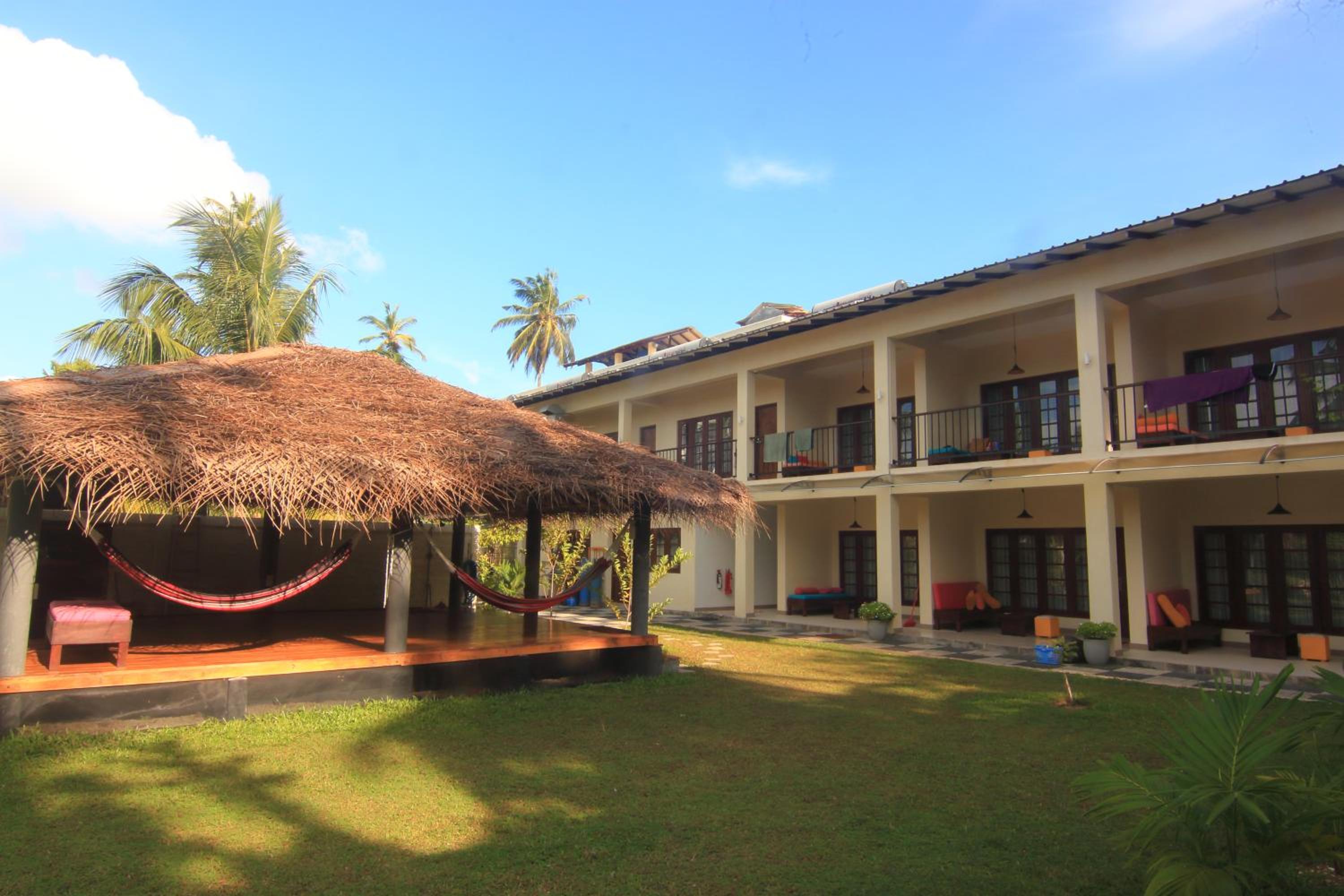
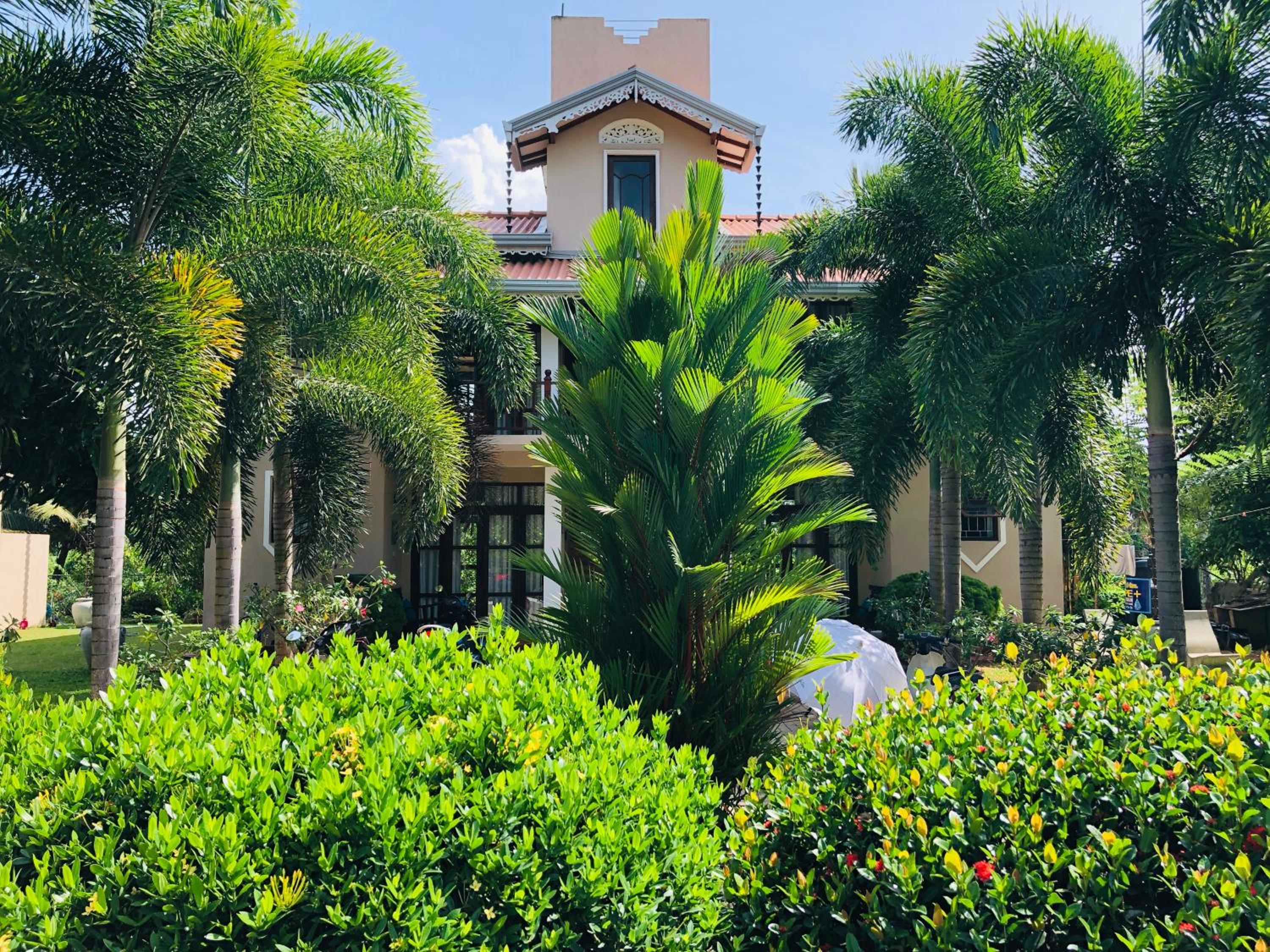
Guesthouses and homestays a street or two back, cheaper and quieter, two minutes' walk from the sand. For budget travellers and anyone who wants to sleep.
Sri Lankan prices and quiet, and a short walk to the sand.
The hill
Villas, pools, the view
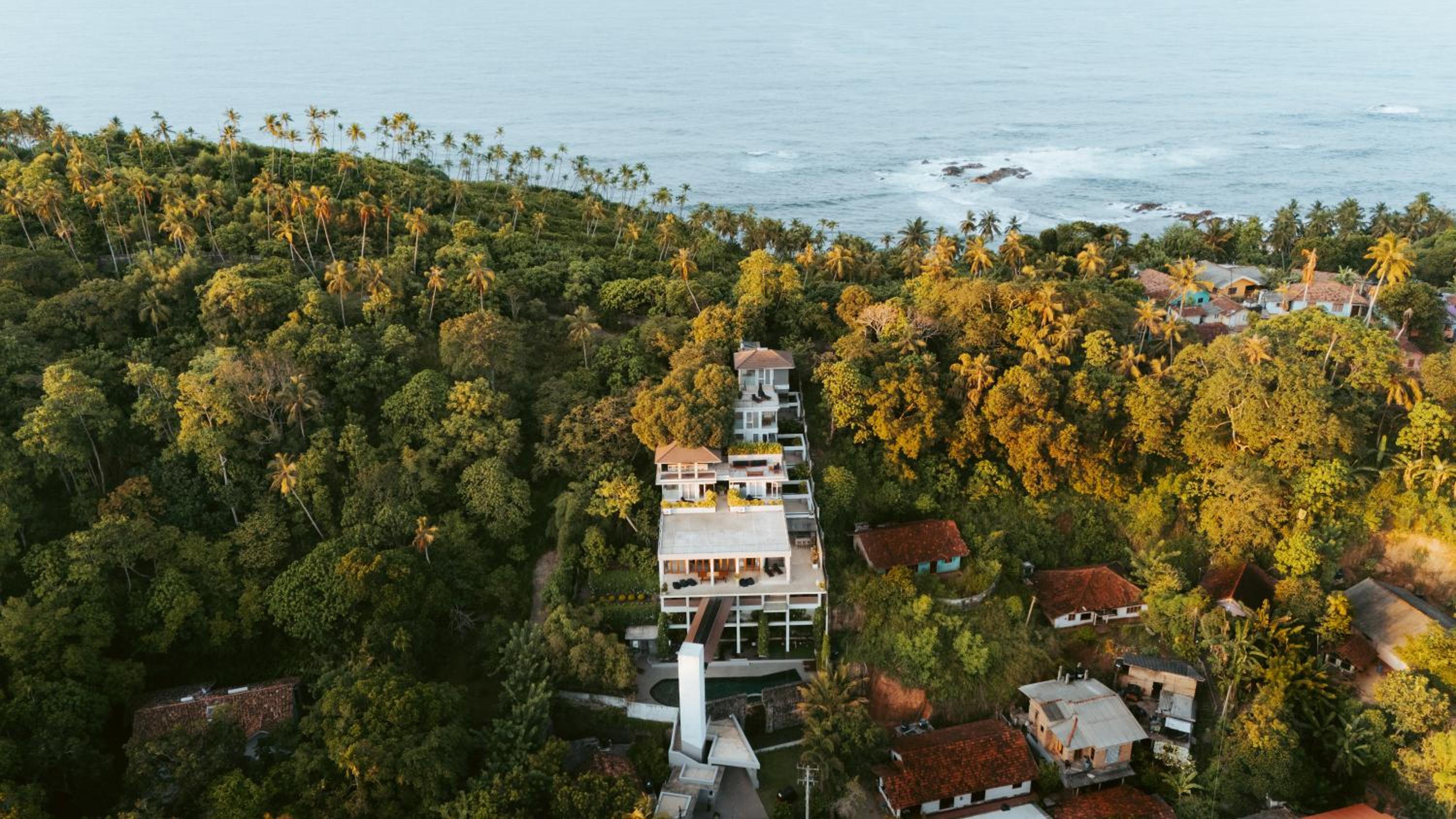
Villas and boutique stays on the slope above the bay, with the view and pools, priced under the west-coast resorts. For couples and for the sunset from the terrace.
The view and a pool, and a walk down and a climb back.
Towards Weligama
Surf schools, long beach
The coast road west where the surf schools and the long beach begin, with hostels and surf camps. For beginner surfers and for the bay without Mirissa's strip.
The country's beginner break at the door, and a tuk-tuk to Mirissa's evening.
See every Mirissa neighbourhood on one map
Save the areas you like and Stippl plots your days so you're not crossing the city twice.
Where to stay in Mirissa
Stay a street back from the beach for a first visit: quiet, cheap and two minutes from the sand, with the strip's restaurants a walk away. Most people give Mirissa 2 nights on Stippl, the longest typical stay on the south coast, and most wish they had more. Book ahead for December to March, which is both the dry season and the whale season.
The beach strip
Beach hotels and bungalow resorts on the sand, €50 to €150, with the bars outside the window.
Behind the beach
Homestays, guesthouses and hostels a street back, dorms €8 to €12 and doubles €20 to €50.
The hill
Villas with pools and boutique stays on the slope, €80 to €200, well under west-coast resort prices.
Towards Weligama
Surf camps and hostels along the coast road, €10 to €40 a night, with boards and lessons attached.


What to eat in Mirissa
Whatever the harbour landed, on a beach grill
The full spread, fish-forward on this coast
Sour dry fish curry with goraka, a southern speciality
Chopped flatbread on a hot plate
Orange coconut, drunk from the shell
Discover food spots in Stippl
Find restaurants and markets on the map, save them to your itinerary, works offline too.
Mirissa customs and what not to do
Beachwear stays on the beach
Covered shoulders and knees for the temple on the hill and for walking through the village behind the beach road; the surf shops are relaxed, the village is not.
Pick whale boats on behaviour
Not on price: the cheap boats crowd the animals and cut across them, and the operators that hold back and cap numbers say so. Ask about the distance policy before booking.
The harbour is a working port
The fishing fleet lands at dawn and the boats are somebody's livelihood, not a photo set; ask before photographing crews, and keep off the ice trucks' lane.
The palms are not a prop
Coconut Tree Hill is a private plantation the owner tolerates; do not climb the palms, stand under a loaded one, or leave rubbish, or the gate closes for everyone.
Do
- Go to the headlands at sunrise rather than sunset
- Check the tide before walking to Parrot Rock or along the beach to Coconut Tree Hill
- Ask an operator about its distance policy before booking a whale trip
Don't
- Swim outside the calm sections without checking the current
- Stand under the coconut palms on the hill
- Come for whales between May and October
What a Mirissa trip costs
Track what you actually spend
Set a daily budget per country and log expenses in any currency while you travel.
Fun facts about Mirissa
The whales and the season swap coasts. Mirissa's blue whales are off Trincomalee in the months Mirissa is closed by the monsoon; the same animals, the other side of the island.
Coconut Tree Hill is a working plantation, not a park. The falling-coconut warning on the headland is a real one, and the trees are harvested between the photographs.
Mirissa is where Sri Lanka trips stop moving. It has the longest average stay of any destination in the country on Stippl, ahead of Ella.
Mirissa is a single bay about 150 metres long. A headland at each end, a fishing harbour behind the eastern one, and the whale boats leave from that harbour before dawn.
Weligama is the surf town and Matara is the working city. Fifteen minutes west and fifteen minutes east, and Mirissa in between is neither.
Blue whales feed off Mirissa from late November to April. The continental shelf drops away close to shore here, which brings the largest animal on earth within an hour of the harbour.
Local tips for Mirissa
Get off at Weligama or Matara
Mirissa's own halt is not the practical stop; both neighbours are about fifteen minutes away by tuk-tuk for about €3. The bus from Galle drops on the main road.
Rent a scooter
About €6 a day, and how you reach Weligama's surf, the headlands and Secret Beach. The coast road is busy with buses; the lanes behind the beach are the ride.
How long to stay
Most people give Mirissa 2 nights on Stippl: the whale boat one morning, Coconut Tree Hill at sunrise and Weligama for a lesson. It is a destination, not a corridor.
Parrot Rock at low tide only
The rock off the main beach is crossable at low water and dangerous at high tide or in the monsoon swell. Check the tide and go at sunrise, not sunset.
The whale boat is rough
Four to six hours in open sea before breakfast; take the tablets if you are prone and choose the smaller boat. Late November to April is the season.
Coconuts fall on the hill
A real warning at Coconut Tree Hill; do not sit under the trees. The strip has a late bar scene and the usual coastal care after dark applies.
Mirissa questions, answered
Book the boat for your first morning, not your last, so a cancelled trip still has somewhere to go. Mirissa carries 5.28% of everything planned in Sri Lanka on Stippl, almost all of it in whale season. Put two mornings into Stippl and use the second only if the weather takes the first.
Two to three nights. Mirissa gets 2 nights in the trips people plan on Stippl, among the longest on the island, because the whale trip takes one morning and the beach takes everything else. Three if you want a surf lesson in there as well.
Not if whales are the point. Barely any: 19.33% of Mirissa stops planned on Stippl run to a single night, because the boat leaves at dawn and gets cancelled for weather often enough that one night is a gamble. Two nights turns a maybe into something close to a certainty.
Late November to April, with December to March the dependable core of it. Outside that window the blue whales have moved round to Trincomalee on the east coast, which sits under the opposite monsoon. Nothing you book off this coast in June is going to find them.
Take the coastal line to Weligama or Matara and a tuk-tuk for the last fifteen minutes. Mirissa has its own halt but the useful trains do not stop at it. The run down from Colombo is worth doing for its own sake, with the sea on your right the whole way.
One or the other, and travellers almost never do both. They sit under opposite monsoons: Mirissa works from December to April, Trincomalee from May to September. Whichever months you are travelling in has already made the choice, which makes this the easiest decision on the island.
Every guide is written by the Stippl editors and checked against the trips our travellers actually plan. Spotted something out of date? Let us know.

Plan Mirissa in Stippl
Day-by-day planning, stays and budget in one app, with every place from this guide already on the map.
Download the app