
Colombo
Colombo is the only city in Sri Lanka that eats seriously, and the crab is the argument. A half-kilometre lawn on the seafront fills with kites and cricket every sunset.
Colombo in a nutshell
Colombo: what to expect
Every figure here is drawn from 253,000+ stops planned in Sri Lanka on Stippl.
Colombo is the country's front door, and everything in it is a half-day. Galle Face Green is half a kilometre of seafront lawn where the city flies kites, plays cricket and eats, and it is the most recommended thing here. The Red Mosque stands candy-striped in the middle of the Pettah bazaar, which is organised street by street by trade. Gangaramaya is a working temple with a museum of donated oddities, and Seema Malaka floats on Beira Lake to a Geoffrey Bawa design.
Colombo is on seven Sri Lankan trips in ten and tells you nothing about any of them. 53.8% of the stops planned here are a single night and a fifth carry none at all, the shortest stop in the country. Knowing a trip includes Colombo does not predict a single other place on it, which is what a gateway looks like in the data rather than a destination.
Take the night at one end of the trip and walk the city in the morning. The heat sits at twenty-eight degrees every month with the humidity above eighty per cent, and the traffic makes short distances long, so use PickMe rather than negotiating a tuk-tuk. Mount Lavinia is thirty minutes out by train for a swim. Skip Colombo if you want a beach or quiet, because the sea here is a promenade and the city is a working one.
Plan Colombo in Stippl
Day-by-day planning, stays and budget in one app, with every place from this guide already on the map.
Download the appWho Colombo is for
Anyone with a spare day
Everything here is a half-day sight and the city is honest about being a gateway; most people give it 1 night.
Foodies
The country's only serious restaurant city, from the crab institutions at the Dutch Hospital to the street food on Galle Face Green.
Architecture and history people
The colonial layers and the Geoffrey Bawa buildings are the reason to walk it rather than drive through.
Shoppers
Design and textile stores that do not exist elsewhere on the island are concentrated in a few streets here.
Maybe not for you: beach and quiet seekers, since the sea here is a promenade rather than a swim and the traffic is relentless; and anyone planning to base here, because Colombo is on most Sri Lanka trips and the start of almost none of the good parts.
The best time to visit Colombo
The dry window
December to March
The season, and the busiest the city gets.
The first monsoon
April to June
April is the hottest month of the year and May the wettest of the first half.
The monsoon gap
July and August
Noticeably drier than either side of it, and under-sold.
The second inter-monsoon
September to November
October and November are the wettest months of the year.
- Sinhala and Tamil New Year in mid April empties the city as families travel home. Shops and restaurants close for days, and the trains out are the fullest of the year; it is the week to be somewhere else or to have booked.
- Poya days, every full moon, are public holidays and alcohol is not sold. A real planning fact in a city whose evenings run on rooftop bars; the date moves each month.
- Colombo is planned about 72 days ahead on Stippl, and only 13.4% of its plans are made inside a fortnight. Most stops are a single night by the airport, fixed with the flight.
- Galle Face Green comes alive at weekends. Kites, cricket, food carts and families from late afternoon; on a weekday evening it is a lawn with a sea view and not much else.
Add your Colombo dates and we'll flag the weather
Stippl shows the season, crowds and prices for every stop on your route.
Describe your trip, get a Colombo itinerary in seconds
Everything in this guide is already in Stippl. Tell the planner how long you have and what you like: it builds the route, the days and the travel times, and you edit whatever you want.
Things to do in Colombo
 Photo by Fredrik Öhlander via Unsplash
 Photo by Zoshua Colah via Unsplash
Galle Face Green at sunset
Join the city on the half-kilometre seafront lawn at the end of the day, where Colombo flies kites, plays cricket and eats isso wade from the carts. Free, and the most-recommended hour in the city.
The Red Mosque
Find the candy-striped red and white Jami Ul-Alfar mosque in the middle of the Pettah bazaar, free with modest dress; closed to visitors at prayer times and on Fridays. Mornings, with the market around it.
Pettah Market
Walk the bazaar district street by street, each one a trade: textiles on one, electronics on the next, spices behind. Cash, mornings, and closed on Sundays.
Gangaramaya and Seema Malaka
Visit the working temple with its museum of donated oddities, about €1, and the meditation pavilion floating on Beira Lake designed by Geoffrey Bawa. Half an hour each, and the lake pavilion is best at dusk.
The Lotus Tower
Ride to the observation deck of the tallest structure in Sri Lanka, 351 metres, about €17 for foreigners, for the one view over the whole city and the harbour. Go at the end of the afternoon for both lights.
The Dutch Hospital precinct
Eat and drink in the oldest colonial building in the city, now a courtyard of restaurants and bars, the easiest evening in Colombo. Ministry of Crab is the famous table; book it days ahead.
The neighbourhoods of Colombo
Fort
Colonial core, the sea green
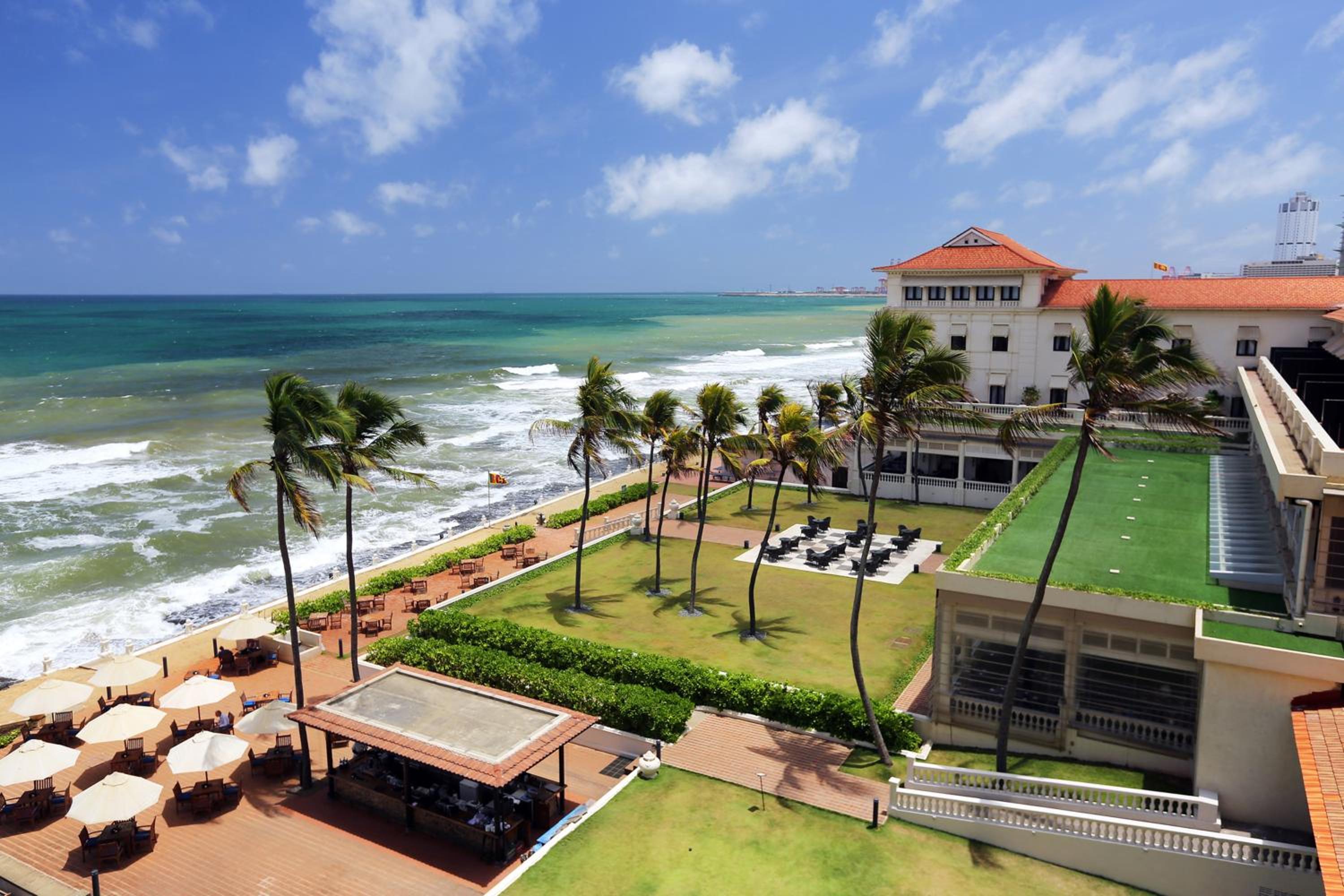
The colonial commercial core on the peninsula: banks, the Dutch Hospital precinct and Galle Face Green at its edge, with the grand hotels on the front. For first visits and history; the office district empties after dark.
The Dutch Hospital and the green on foot, and a quarter that closes at six.
Kollupitiya and Bambalapitiya
Galle Road, hotels, Marine Drive
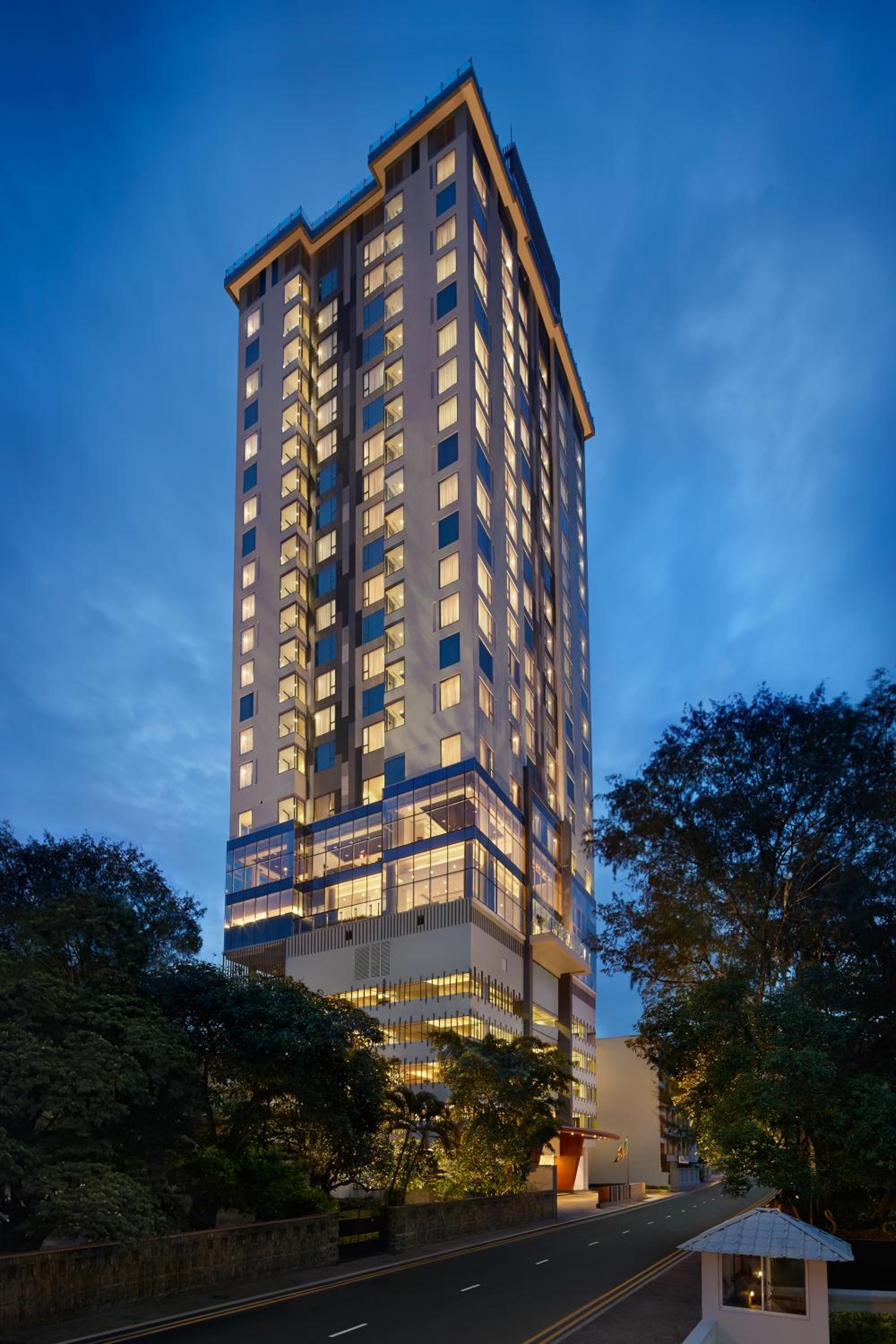
The dining and retail spine down Galle Road with Marine Drive alongside it, where most of the city's hotels are, from towers to guesthouses. For eating out and for a base on the sea with the train line behind.
The most hotels and restaurants, and a six-lane road between them.
Pettah
Bazaar by trade, red mosque
The market district east of Fort, organised street by street by trade with the striped Red Mosque in the middle, and a few plain hotels near the station. For the bazaar before nine and for budget travellers by the trains.
The bazaar and the station on foot, and no quiet at any hour.
Slave Island
Lakeside, temples, local
Inner-city and genuinely local around Beira Lake: Gangaramaya, the floating Seema Malaka, a kovil and a mosque within minutes, and a mix of colonial hotels and guesthouses. For a local base near the lake.
The temples and the lake, and streets that are rougher after dark.
Cinnamon Gardens
Mansions, museum, park
The mansion-and-embassy quarter: the National Museum, Viharamahadevi park, Independence Square and the art scene, with boutique hotels in the villas. For art lovers and for the greenest part of the city.
The park and the museums, and a tuk-tuk to the sea.
See every Colombo neighbourhood on one map
Save the areas you like and Stippl plots your days so you're not crossing the city twice.
Where to stay in Colombo
Stay in Fort or Kollupitiya: they are the two areas within walking distance of Galle Face and the Dutch Hospital, which is what makes a short stay work. 53.8% of Colombo stops planned on Stippl are a single night, and that is the right number. For a last night before a flight, Mount Lavinia has a beach and a hotel terrace thirty minutes south.
Fort
The colonial grand hotels on the front from €150, and a couple of hostels in the old blocks from €10.
Kollupitiya and Bambalapitiya
Most of the city's hotels, from guesthouses at €25 to the new high-rise towers at €80 to €200.
Pettah
A few plain hotels near the station, €15 to €40, loud from dawn and handy for the early train.
Slave Island
Boutique conversions of colonial houses and mid-range hotels by the lake, €40 to €110.
Cinnamon Gardens
Boutique hotels in the old villas and a few guesthouses, €50 to €150, on quiet tree-lined streets.


What to eat in Colombo
Sri Lankan mud crab, chilli or pepper
Prawn fritters on a lentil patty
Chopped flatbread stir-fried on a hot plate, announced by the noise
Grated coconut, chilli, lime, onion
Bowl-shaped fermented rice pancakes, plain or egg
Discover food spots in Stippl
Find restaurants and markets on the map, save them to your itinerary, works offline too.
Colombo customs and what not to do
The kovil lends no sarongs
Shoulders, knees and shoes off apply at the Hindu temples in Pettah and the Gangaramaya, and unlike the Buddhist sites nobody at the door has a cover-up to lend; bring your own.
Photo rules differ by door
The Red Mosque is relaxed about cameras outside prayer times and the kovil's interior is not; ask before the camera comes out, and never during a puja.
Bargain in Pettah only
The market streets expect it and start high; the malls, the cafés and the Galle Face vendors have printed prices, and a tuk-tuk on PickMe has a fixed one.
Poya bites hardest here
The full-moon alcohol ban is national and it lands hardest in the one city with a bar scene; the hotel bars close too, so check the date before a night out.
Do
- Use PickMe and skip the fare argument entirely
- Carry cash for Pettah, the temples and Galle Face Green
- Walk in the morning and take a tuk-tuk after eleven
Don't
- Accept the first tuk-tuk price on the street
- Expect Pettah on a Sunday
- Plan a beach day here; take the train to Mount Lavinia or leave the city
What a Colombo trip costs
Track what you actually spend
Set a daily budget per country and log expenses in any currency while you travel.
Fun facts about Colombo
Sri Lanka's legislative capital is a different city. Parliament sits at Sri Jayawardenepura Kotte, inland; Colombo is the commercial capital, a distinction that matters on maps and nowhere else.
Lotus Tower is the tallest structure in South Asia at 351 metres. It is shaped as a lotus flower, lit in pink at night, and the observation deck opened to the public in 2022.
Seema Malaka on Beira Lake is a Geoffrey Bawa building. The meditation pavilion on the water was designed by the same architect as the Heritance Kandalama hotel in the cultural triangle.
Port City is being built on reclaimed land beside the Fort. The new district has its own man-made beach and appears on no map older than a couple of years.
Pettah is organised by trade, one street at a time. One street for bags, another for fabric, another for gold, in the market district immediately east of the Fort.
Four religions stand within a few hundred metres of each other. A Buddhist temple on the lake, the red-and-white striped mosque in the bazaar, a Hindu kovil and a Catholic shrine, all in daily use.
Local tips for Colombo
PickMe fixes the tuk-tuks
The app prices the ride before you get in and it covers the whole city; a hailed tuk-tuk quotes triple to a foreigner. Download it at the airport with the SIM.
Colombo Fort for the trains
Every line leaves from Fort, and reserved seats on the hill-country and coastal lines open thirty days ahead and sell out. Book online the day the window opens.
Traffic sets the time
Not distance: the airport transfer quoted at forty-five minutes takes twice that at peak. Leave the city by seven or after ten for a flight.
Most people stay one night
53.8% of stops are a single night and a fifth are none; Colombo is the transfer, not the base. One night for Galle Face and Pettah is right.
The scams are commercial
The gem-shop detour, the temple-is-closed redirect and the fake guide in the park, including a man calling himself the gardener at Viharamahadevi. A firm no and keep walking.
Galle Road is the hazard
Crossing it on foot needs patience and the tuk-tuks do not stop for pedestrians. The sea at Galle Face is a promenade with currents, not a beach; the midday heat is unworkable.
Colombo questions, answered
At the end, if at all. Colombo carries 11.88% of everything planned in Sri Lanka on Stippl, more than anywhere else, and most of that is arrivals and departures. Put Negombo into Stippl for the airport night and save Colombo for a city day before you fly home.
One night. 53.8% of Colombo stops planned on Stippl are a single night, which covers the markets, one temple and a very good dinner. Two if the national museum and the colonial quarter matter to you, which for a lot of people they genuinely do.
A fifth do not: 20.56% of Colombo stops planned on Stippl carry no night at all, which is a capital being used as an airport and a bus station. That is a fair verdict for a first visit and an unfair one for the food, which is the best on the island.
One or the other, and travellers who plan Colombo are markedly less likely to plan Negombo. Negombo for a shorter transfer, a beach and lower prices. Colombo for the city, the museums and the restaurants. If you land late and leave early, Negombo wins on the drive alone.
The expressway bus, route 187, which runs into the centre for a very small fare, or a car booked through an app. The drive takes forty-five minutes to an hour and a quarter depending on traffic. The airport is much nearer Negombo than Colombo, which catches a lot of people out.
Use the PickMe app, which prices the ride before you get in and covers tuk-tuks as well as cars. Flagging one down means negotiating, and the opening number for a foreigner is several times the going rate. Metered tuk-tuks exist, and the meter is often not switched on.
Every guide is written by the Stippl editors and checked against the trips our travellers actually plan. Spotted something out of date? Let us know.

Plan Colombo in Stippl
Day-by-day planning, stays and budget in one app, with every place from this guide already on the map.
Download the app