

Gili Air
Gili Air is the middle Gili, between Trawangan's nightlife and Meno's silence, with turtles off the beach and no engines on the island. A Sasak village lives alongside it, which the other two lack.
Gili Air in a nutshell
Gili Air: what to expect
Behind this are 688,000+ stops planned across Indonesia on Stippl.
Gili Air is the middle Gili, small enough that you walk round it in forty-five minutes, and the one with a village still on it. The Sasak community here fishes before dawn and runs a market for itself rather than for visitors, which is the real difference from its two neighbours rather than the noise level. Turtles are on the house reef, close enough to snorkel from the beach at low tide, and Paul's Reef, Shark Point and Turtle Heaven are the dives. No engine runs anywhere on the island.
Gili Air is the last door into an Indonesian trip and almost never the first. Two in a hundred of the trips carrying Gili Air begin there, the lowest opening share of anywhere we measure in the country, and it closes a trip five times as often as it opens one. Four in ten of its trips also carry Gili Trawangan, so the two islands are a pair rather than a choice.
So take 3 nights here if Trawangan sounds loud and Meno sounds silent. Cycling the perimeter takes about ninety minutes, the east coast faces Rinjani at sunrise and the west faces Agung at sunset, and a cooking class with a local family is the one thing that uses the village rather than looking past it. Come between May and September; November and December are the emptiest months for a reason.
Plan Gili Air in Stippl
Day-by-day planning, stays and budget in one app, with every place from this guide already on the map.
Download the appWho Gili Air is for
Anyone wanting the middle Gili
Gili Air sits between Trawangan's nightlife and Meno's silence, and that is the whole positioning.
Snorkellers and divers
Turtles from the beach, and the same dive sites as the other two islands from a quieter base.
Families
No traffic at all, shallow water, and a gentler crowd than Trawangan's, with most people giving it 3 nights.
Anyone wanting a village too
A Sasak community lives here alongside the beach economy, which is what sets Air apart from the other two.
Couples
Quiet, small and easy, with the sunset side to yourselves most evenings.
Maybe not for you: anyone who wants nightlife, which is Trawangan's job; anyone who wants total silence, which is Meno's; anyone in a hurry, because it is a boat away from everything; and anyone expecting Bali's infrastructure.
The best time to visit Gili Air
Dry season
May to September
Far drier than Bali, because the Gilis sit on Lombok's calendar: August is almost rainless. Calm seas and the turtles off the beach at their most reliable.
Wet season
November to March
A crossing problem more than a weather one: rough seas and cancellations rather than washed-out days, and the quietest months on the island.
- Four in ten Gili Air trips on Stippl start in July, August or September, and almost none in November and December. It is the most seasonally concentrated place in Indonesia; the quiet months are the ones with the reef to yourself.
- Ramadan and Idul Fitri are the dates that change the island, not Nyepi. Gili Air has a working mosque and a Sasak community that observes both; some kitchens close by day for the month, and the island fills at Idul Fitri.
- Gili Air is planned about 83 days ahead on Stippl, longer than Trawangan. The couples and families who come here fix it early, with the Bali crossing.
- Bali's Nyepi stops the boats from Bali for 24 hours, though the Gilis themselves work normally. The date moves in March; a crossing booked across it is not a crossing.
Add your Gili Air dates and we'll flag the weather
Stippl shows the season, crowds and prices for every stop on your route.
Describe your trip, get a Gili Air itinerary in seconds
Everything in this guide is already in Stippl. Tell the planner how long you have and what you like: it builds the route, the days and the travel times, and you edit whatever you want.
Things to do on Gili Air
 Photo by Baehaki Hariri via Unsplash
The house reef for turtles
Snorkel from the beach at low tide over the house reef, no boat needed, for the turtles that graze the seagrass off the east side. The island's best hour, and free.
Diving Paul's Reef and Shark Point
Dive the named sites with regular turtles and occasional white-tip reef sharks, about €40 a dive from the shops on the harbour. The morning boats have the visibility.
Cycling the perimeter
Ride around the island in about an hour and a half on a bike for about €3, pushing through the sandy stretches on the north side. It counts as an activity here.
A cooking class with a local family
Cook with a Sasak family in the village, about €25 for the morning with the market, the one activity that uses the island's own community rather than looking past it.
Sunrise on the east coast
Walk to the east side at dawn, facing Lombok with Rinjani behind it on a clear morning. Free, and the cafés on that side open at seven.
Sunset on the west coast
Sit on the west side at the end of the day, over Gili Meno with Bali's Mount Agung behind it. Free, and the beach bars pour from five.
The neighbourhoods of Gili Air
The harbour side
Boats, dive shops, bungalows
The south coast where the boats land: the densest strip of restaurants, dive shops and bungalows, and everything practical. For first visits and divers who want the shops at the door.
Everything on foot and the boats, and the busiest sand on a quiet island.
The east coast
Sunrise, Lombok view, calm water
The sunrise side facing Lombok with Rinjani behind it, beach bars and the calmest water on the island, with mid-range bungalows along it. For families and snorkellers who want the reef off the beach.
The calmest water and the view, and a bicycle to the harbour.
The west coast
Sunset, fewest buildings
The sunset side facing Gili Meno and Bali, with the fewest buildings, a handful of beach bars and the quietest bungalows. For couples who want the sunset and nobody else.
Sunset over Meno and Agung, and a fifteen-minute walk to dinner.
The interior
Village, mosque, coconut groves
The village, the market, the mosque and the coconut groves in the middle, with homestays run by the resident Sasak families. For a local base and for the community the other Gilis lack.
The village and the cheapest rooms, and no sea from the window.
See every Gili Air neighbourhood on one map
Save the areas you like and Stippl plots your days so you're not crossing the city twice.
Where to stay in Gili Air
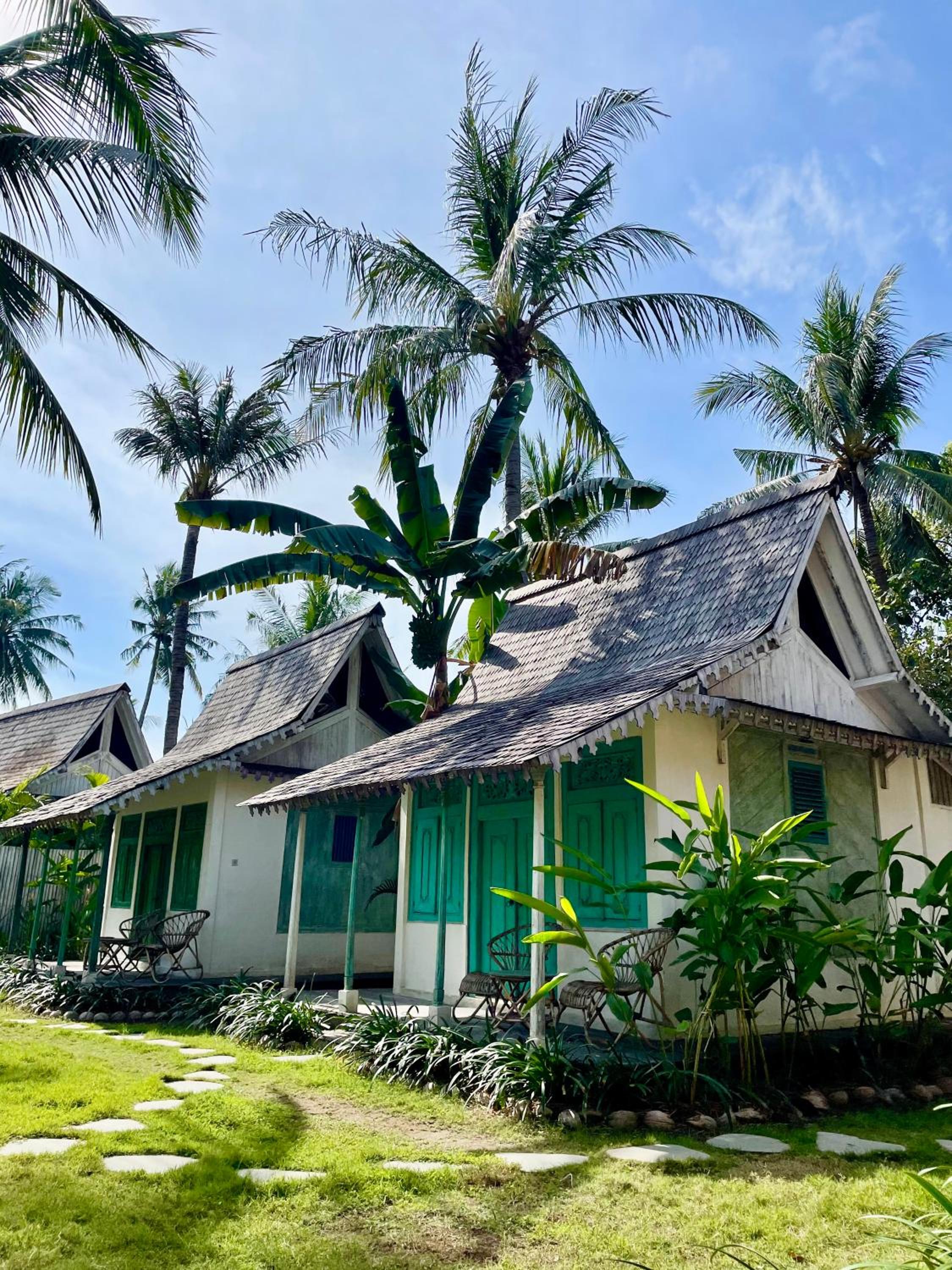
Stay on the harbour side for a first visit: the boats, the dive shops and the restaurants are on the south coast, and the island is small enough that everything else is a walk. Most people give Gili Air 3 nights on Stippl, and it is the island for people who want Trawangan's nightlife within a boat ride and a quiet bed. Book July to September ahead.
The harbour side
Beachfront bungalows and dive resorts, €30 to €90, with the budget bamboo huts behind them from €15.
The east coast
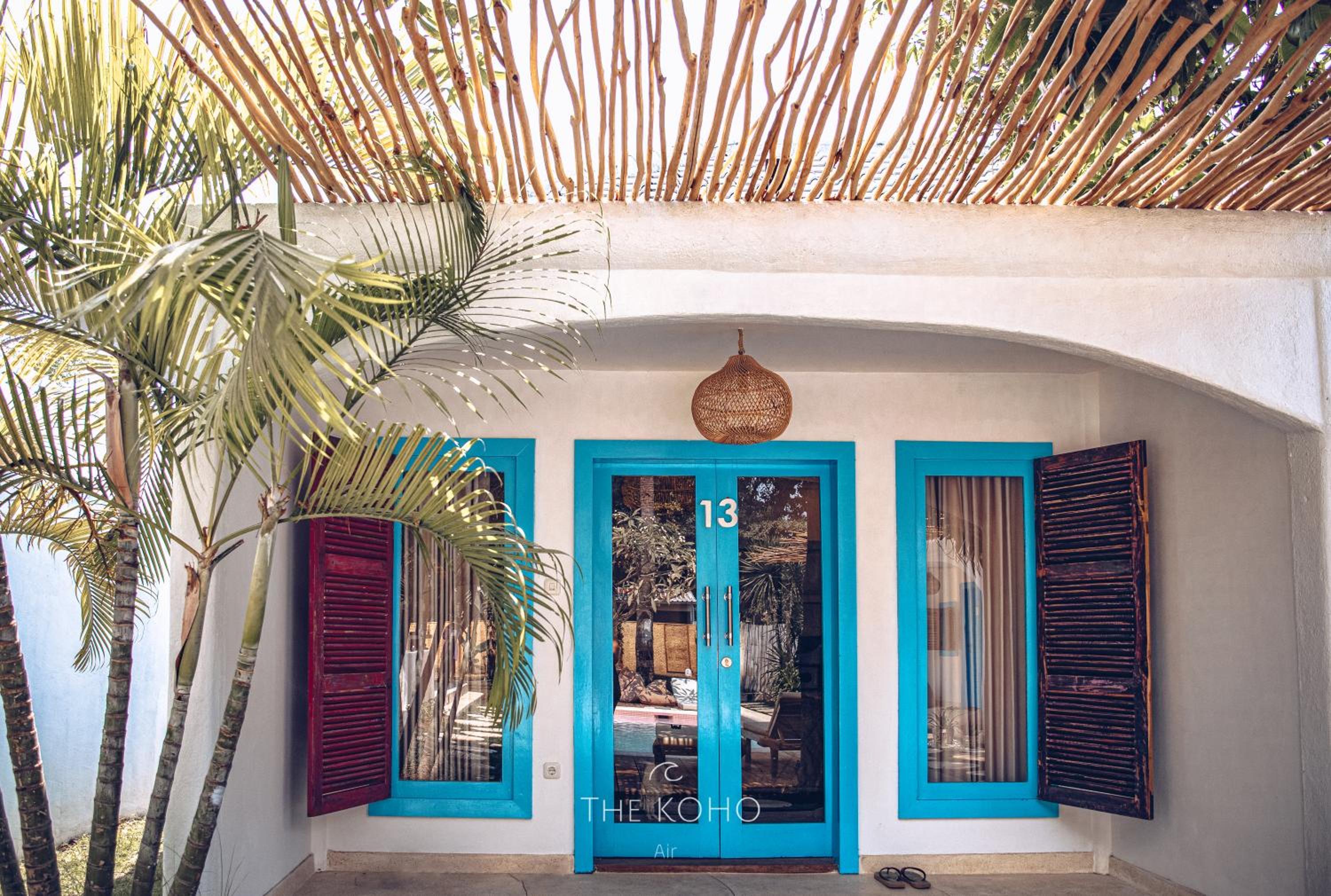
Mid-range bungalows with air conditioning facing Lombok, €40 to €120, on the calmest water.
The west coast
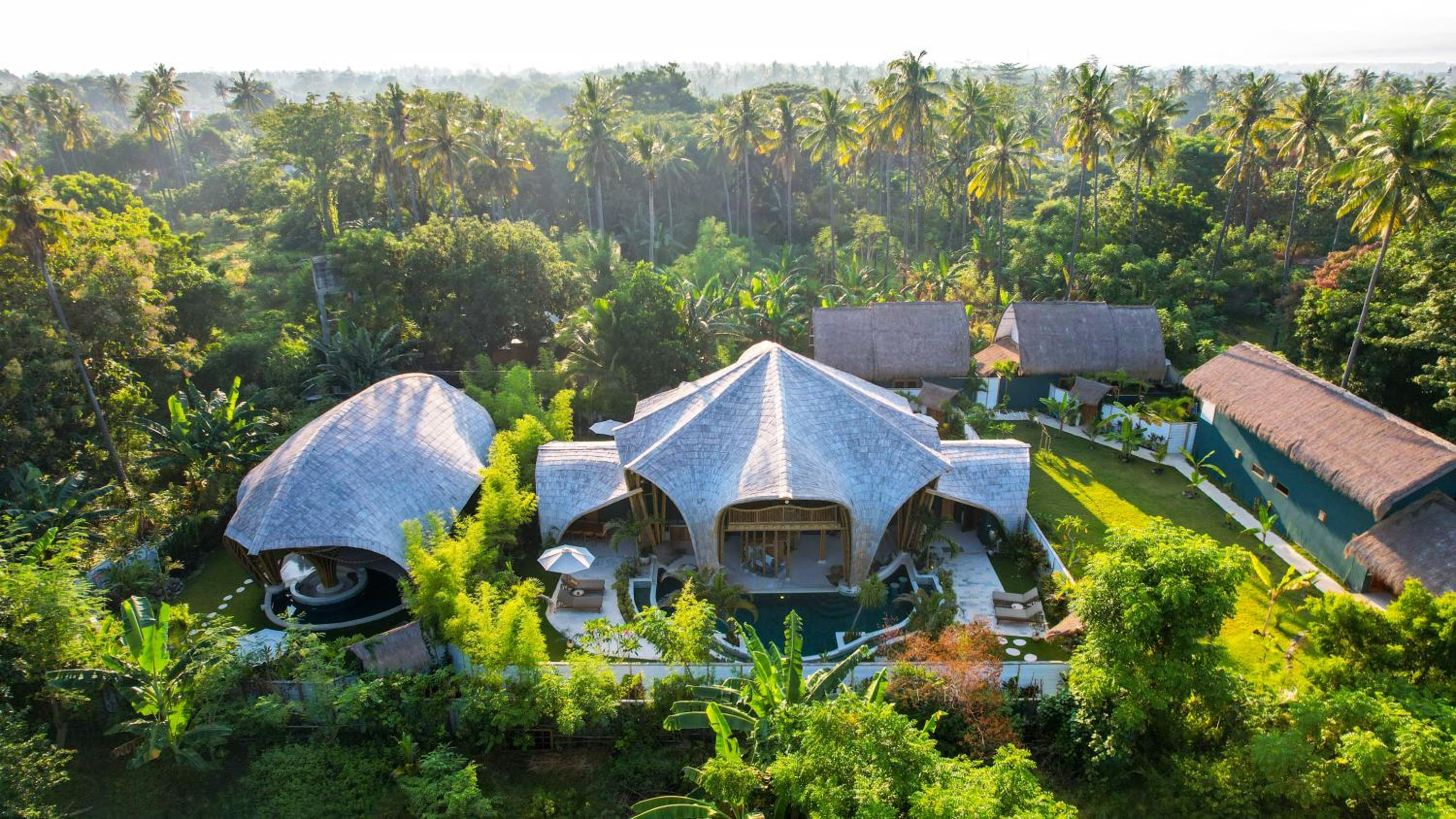
The quietest bungalows and a small villa tier, €50 to €200, with the sunset at the door.
The interior
€10–50
Homestays run by the resident Sasak families, €12 to €30, with fans and the odd power cut.


What to eat in Gili Air
Fresh fish landed daily by the island's own fishing boats
Lombok's chilli-grilled chicken, the island's actual cuisine rather than Balinese food
Blanched water spinach in a raw chilli-tomato sambal, served alongside ayam taliwang
A cooking class at a local family-run restaurant, our own data's only named food recommendation
Discover food spots in Stippl
Find restaurants and markets on the map, save them to your itinerary, works offline too.
Gili Air customs and what not to do
A Muslim Sasak island
With a resident community, which makes etiquette sharper here than on Trawangan because there are more local people to meet; cover up away from the beach, near the village and the mosque.
The turtles are habituated
Not tame: they are used to swimmers and still stressed by them, so no touching, chasing or riding, and stay two metres off when they surface to breathe.
The beach is a workplace
The fishing boats and the morning market are working infrastructure, and the sand in front of them is a workplace at dawn; walk round the nets, not over them.
Take your rubbish with you
A small island with these visitor numbers has the same waste problem as its neighbour; a refillable bottle and your plastic back to Lombok is the standard courtesy.
Do
- Snorkel the house reef at low tide, from the beach
- Cycle or walk the perimeter at least once
- Watch the sunrise on the east coast, not the sunset
- Take the Bangsal crossing if you are coming from Lombok
Don't
- Buy the mushrooms; it is a prison-sentence offence, openly advertised
- Expect the last ferry back from Trawangan to be late; it is about four
- Assume Balinese etiquette; this is Muslim Lombok
- Ride a cidomo without deciding how you feel about it first
What a Gili Air trip costs
Budget
€17–30
Bungalow or hostel, warung meals, a bicycle.
Mid-range
€43–85
Beachfront bungalow, restaurant eating, a dive.
High-end
€130+
The island's small villa layer.
Track what you actually spend
Set a daily budget per country and log expenses in any currency while you travel.
Fun facts about Gili Air
Air means water in Indonesian, and the island is named for its fresh water. Gili Air was the one Gili with a well, which is why it was the one people settled first.
Gili Air has a permanent Sasak community and the other two Gilis do not. Fishing boats go out before dawn and the market functions for local needs, which is the substantive difference between the three islands.
The whole island can be walked round in about 45 minutes. Or cycled in an hour and a half on the sand track, with nothing motorised on it anywhere.
Motorised vehicles are banned on all three Gili islands. Transport is foot, bicycle and horse cart, and the absence of engines is the first thing everyone notices on landing.
All three Gilis dive the same sites. Paul's Reef, Shark Point and Turtle Heaven are shared, so the choice of island is social rather than technical.
Turtles graze the house reef off the east coast all year. Green and hawksbill turtles feed on the seagrass a short swim from shore, and snorkelling at low tide is enough to see them without a boat.
Local tips for Gili Air
Closest to Lombok
The Bangsal crossing is the shortest and cheapest way onto any Gili, about €2 on the public boat, which leaves when full. From Bali the fast boats also stop here from Padangbai and Amed.
Feet, a bike or a cidomo
Nothing else moves on the island. The perimeter cycle takes about an hour and a half on a hired bike for about €3, with sand on parts of the track.
One inter-island boat a morning
The public hop to Meno and Trawangan runs once each morning and stops mid afternoon. Plan the island-hop as a day and keep the ticket for the return.
How long to stay
Most people give Gili Air 3 nights on Stippl: the house reef, a dive or a boat day and a day of the village. It is the quiet one of the three.
Currents run between islands
The channels are not swimming water however calm the beach looks; snorkel from the shore at low tide or from a boat with a guide. Reef shoes for the urchins.
Medical care is clinic-level
Anything serious means a boat to Lombok in daylight and a workable sea. The island has none of Trawangan's party risks; it has the same fault line and the same drug law.
Gili Air questions, answered
One base and no schedule. Almost nobody starts a trip here: only 2.17% of the trips including Gili Air open on it on Stippl, so it comes after Bali or Lombok. Put the fast boat in both directions into Stippl and leave three nights blank between them.
Three nights. Across the Gili Air stops planned on Stippl the usual is 3 nights. That is a snorkel trip, a cycle round the island, a cooking class if you want one and a sunrise, and the list really does end there. That is the appeal.
Just 14.39% of the Gili Air stops on Stippl come to one night, and it makes sense: with a boat at each end, one night leaves you an afternoon. The island is small enough to see in a day and slow enough that seeing it is not the point of being there.
Trawangan for nightlife, Meno for silence, and Gili Air for the middle, which is what most people turn out to want: a few bars, some good food and quiet by eleven. All three dive and snorkel the same sites, so you are choosing an evening rather than a reef.
Very probably, and from the beach rather than a boat. Swim out over the seagrass off the east and north shores at low tide and green turtles are there most days. Give them room, never touch or chase, and do not stand on the reef, which is the commonest damage snorkellers do.
Entirely. Feet, bicycles and horse carts, the same as on all three islands, and it is the whole character of them. Gili Air takes about an hour and a half to walk around. Take a torch for the sandy paths at night, because there is very little lighting away from the harbour side.
Every guide is written by the Stippl editors and checked against the trips our travellers actually plan. Spotted something out of date? Let us know.

Plan Gili Air in Stippl
Day-by-day planning, stays and budget in one app, with every place from this guide already on the map.
Download the app