
Athens
Athens is the capital, the ferry hub and the one Greek city with a full week of sights in it, a metropolis of nearly four million with the Acropolis visible from most of it and the ancient core inside a single pedestrianised loop. Two nights is what almost everyone gives it, three is what it deserves, and the Acropolis ticket is booked before the flight.
Athens in a nutshell
Athens: what to expect
This is what 157,000+ planned stops in Greece on Stippl say about Athens.
Two nights in Athens, the Acropolis at opening, and the whole ancient core on foot. The site opens at eight in summer and the crowd and the heat arrive together, the Acropolis Museum holds what was taken off the hill and is better seen before it, the Ancient Agora has the best-preserved Doric temple in Greece and a fraction of the people, three free hills give three different sunsets over the rock, the National Archaeological Museum is the largest collection of Greek antiquities anywhere, and the Evzones change on the hour at Syntagma. Most travellers give Athens 2 nights on Stippl.
Athens is on more than half of Greek trips, because the ports are its. The city appears on 54.55% of the 40,550 resolvable-stop trips of the trips planned through Greece on Stippl and takes 24.53% of every Greek stop, since Piraeus, Rafina and Lavrio are all Athenian and nearly every island trip passes through one, and 35.76% of those stops are a single night, the stopover the city has spent decades being treated as.
So book the timed Acropolis ticket before the flight, see the museum first, walk the eight-kilometre loop early and take a hill at sunset, and check which of the three ports the ferry leaves from. Skip the middle of a July day, when the state closes the Acropolis in a heatwave, skip the combination ticket that no longer exists, and skip a hotel outside the walking ring, because in a two-night stay the distance is the whole cost.
Plan Athens in Stippl
Day-by-day planning, stays and budget in one app, with every place from this guide already on the map.
Download the appWho Athens is for
First-timers to Greece
The gateway, the ferry hub and the one Greek city with a full week of sights in it, on 54.55% of the 40,550 resolvable-stop trips of Greek trips planned on Stippl.
History and archaeology people
An ancient core you walk through and three world-class museums to explain it, with the Agora quieter than the rock above.
Digital nomads
Cheap long-stay flats, good coffee, a mild winter and the airport on the metro.
Island-bound travellers
You pass through anyway, so two nights here costs almost nothing in itinerary terms, and 35.76% of Stippl stops are a single night.
Sunset chasers
Areopagus, Philopappos and Lycabettus, three free hills with three views of the Acropolis.
Night owls
Psiri and Gazi run to daybreak, and the metro stops long before the bars do.
Maybe not for you: a beach holiday, since the coast is a tram ride away and a city beach rather than a reason to come; and a July or August heatwave without a plan, because the Acropolis closes in the afternoons.
The best time to visit Athens
Shoulder
April to early June, mid-September to October
Twenty to twenty-nine degrees, low rain and manageable queues, and the season every guide names.
Summer
Mid-June to early September
Twenty-nine to thirty-four, effectively rainless, capped tickets and midday heat closures, so the day starts at eight or does not start.
Winter
November to March
Twelve to eighteen degrees and most of the year's rain, with short days, reduced site hours and free Sundays at the state sites.
- Most travellers give Athens 2 nights on Stippl, and 32.24% of stops run three or more. Two full days cover the ancient core and one museum, and the third adds a hill, the market and a second museum.
- The Acropolis ticket is timed and capped. Booked online before the trip, because turning up in summer risks finding the day sold out, and the first slot of the morning is the one to want.
- Free admission days at the state sites fall through the year. The first and third Sunday of each month from November to March, plus a handful of fixed dates, and the queues are longer for it.
- The Acropolis closes on the big holidays. New Year's Day, 25 March, 1 May, Easter Sunday and both Christmas days, so a two-night stay across one of them loses its centrepiece.
- Orthodox Easter empties the city. Athens leaves for the family villages, the sites close on the Sunday and the restaurants that stay open are the ones to book.
- 35.76% of Athens stops on Stippl are a single night. The stopover shape, and the one the city rewards least, since the Acropolis and the museum alone fill a day.
Add your Athens dates and we'll flag the weather
Stippl shows the season, crowds and prices for every stop on your route.
Describe your trip, get a Athens itinerary in seconds
Everything in this guide is already in Stippl. Tell the planner how long you have and what you like: it builds the route, the days and the travel times, and you edit whatever you want.
Things to do in Athens
The Acropolis at opening
The site opens at eight in summer and the light, the crowd and the heat all arrive in that order, so the first slot is the one to book.
The Acropolis Museum first
The museum holds what was taken off the hill and explains what you are about to walk through, which is the order that makes the rock make sense.
The Ancient Agora
The civic centre of classical Athens with the best-preserved Doric temple in Greece standing in it, and far quieter than the Acropolis above.
Sunset from three hills
Areopagus, Philopappos and Lycabettus, three free vantage points with three different views of the Acropolis, and the argument over which is best never settles.
The National Archaeological Museum
The largest collection of Greek antiquities anywhere, and a different subject from the Acropolis, from the Mycenaean gold to the bronze Poseidon.
The changing of the guard
The Evzones outside parliament on Syntagma, on the hour every hour, with the full ceremony and the band on Sunday morning.
The neighbourhoods of Athens
Plaka
The old town
Neoclassical houses and stepped lanes under the Acropolis, busy and pretty, with everything ancient on the doorstep. For a first visit.
Everything ancient on the doorstep and walkable throughout, at the price of the crowds.
Monastiraki
The flea-market quarter
Where Plaka meets the Agora, loud and central, with the market, the souvlaki and the metro to the airport and the port. For central access.
The metro line to everything, with the noise and the pickpockets that come with it.
Syntagma and Kolonaki
The smart quarter
The parliament square and the shopping streets above it, with the best hotels and the direct metro to the airport and Piraeus. For comfort.
Direct metro both ways and the best hotels, but the least Athenian corner.
Thiseio
The promenade
The pedestrian belt on the western side of the Acropolis, with the classic view and the best walk in the city. For evenings.
The promenade under the rock, though the rooms are few.
Makrygianni and Koukaki
The quieter base
Residential streets south of the Acropolis around the museum, ten minutes to the rock with none of the Plaka crowd. For a calmer stay.
Ten minutes to the Acropolis without the crowd, and fewer tavernas at the door.
Psiri
The bar district
An old workshop quarter turned late-night, with street art, the densest bar and taverna scene inside the ancient centre. For nightlife.
The nights and the food, and the noise until daybreak.
See every Athens neighbourhood on one map
Save the areas you like and Stippl plots your days so you're not crossing the city twice.
Where to stay in Athens
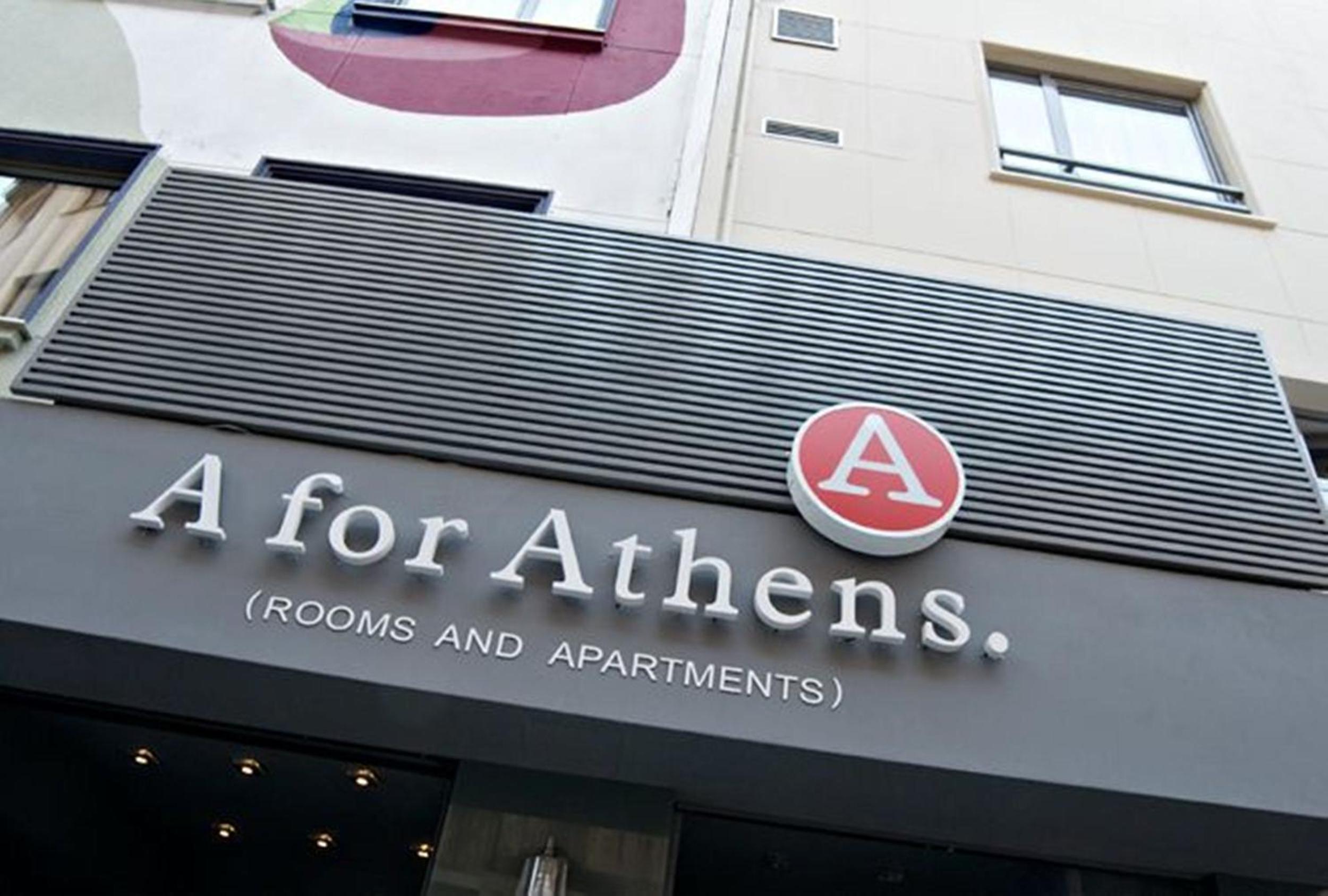
Inside the walking ring or on the metro, and anywhere else is a mistake in a two-night stay. Plaka, Monastiraki, Makrygianni, Koukaki and Thiseio are all within twenty minutes of the Acropolis on foot, and the choice between them is noise rather than distance. Most travellers give Athens 2 nights on Stippl.
Plaka
€60–200
Boutique hotels and guesthouses in the old town, €70 to €200 a night.
Monastiraki
€50–160
Hostels and mid-range hotels around the market, €20 to €120 a night.
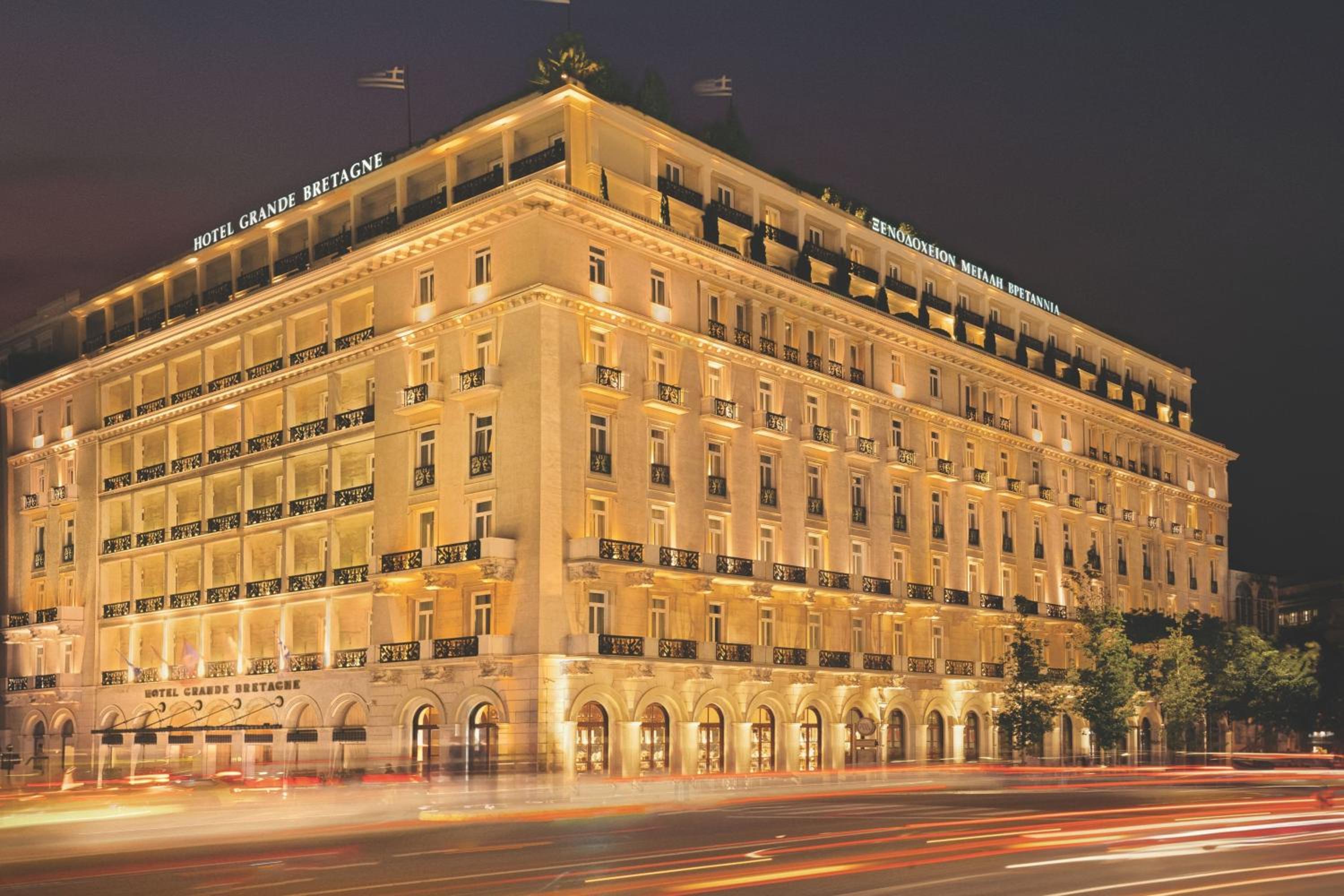
Syntagma and Kolonaki
€80–250
The city's grand and business hotels, €120 to €350 a night.
Thiseio
€60–180
A few small hotels on the promenade, €80 to €180 a night.
Makrygianni and Koukaki
€55–170
Apartments and quiet hotels by the museum, €60 to €160 a night.
Psiri
€45–140
Hostels and design hotels in the bar quarter, €25 to €130 a night.


What to eat in Athens
Discover food spots in Stippl
Find restaurants and markets on the map, save them to your itinerary, works offline too.
Athens customs and what not to do
Cover up in churches
The Orthodox churches and monasteries expect shoulders and knees covered, and Meteora out of town enforces it strictly.
Meals are late and unhurried
Dinner starts at nine or later, and nobody brings the bill until you ask for it.
Order meze in rounds
Greek tables order a few dishes, eat them and then order more, rather than one plate each.
Tipping is light
Rounding up or a few euros is normal, and there is no percentage to work out.
Sunday is quiet
Most shops close and the city belongs to families and the changing of the guard.
Demonstrations are announced
They concentrate around Syntagma and Exarchia, are usually peaceful and close streets rather than the city.
Do
- Book the Acropolis slot before the flight and take the first one
- See the Acropolis Museum before the hill
- Eat a few streets away from the Plaka strip
- Take the metro to the port and the airport; it is one line
Don't
- Start the Acropolis after ten on a summer day
- Look for the combination ticket, which no longer exists
- Keep a phone in a back pocket on the airport line
What an Athens trip costs
Budget
€45–70
A Monastiraki or Gazi hostel, souvlaki and bakery food, the metro and two paid sites.
Mid-range
€90–150
A Plaka or Koukaki hotel, tavernas and a rooftop drink, the Acropolis plus the museums.
High-end
€200+
A Syntagma or Kolonaki hotel with an Acropolis view, restaurants and guided sites.
Track what you actually spend
Set a daily budget per country and log expenses in any currency while you travel.
Fun facts about Athens
Building the Athens metro for the 2004 Olympics uncovered tens of thousands of artefacts. The best of them are displayed inside the stations they were dug out of.
The Parthenon has been a temple, a church, a mosque and a gunpowder store. It was the last of these when a Venetian shell blew its roof off in 1687.
The Acropolis has been under restoration continuously since 1975. So scaffolding on the Parthenon is the normal state rather than bad luck.
Athens was a town of a few thousand when it became the capital in 1834. The neoclassical city around the ruins was built afterwards, and the ruins were villages until then.
Athens gets 414 millimetres of rain a year and 12 of them in summer. July and August are effectively rainless, and the winter takes the rest.
Athens is on 54.55% of the 40,550 resolvable-stop trips of the Greek trips planned on Stippl. Because the three ferry ports are its, and 7.24% of the stops are no night at all, straight from the airport to the boat.
Local tips for Athens
The metro is the arrival
Line 3 runs from the airport to Syntagma and Monastiraki and on to Piraeus, so the airport, the centre and the ferry port sit on one line.
The ancient centre is walked
Every itinerary is a loop of about eight kilometres a day, and the metro is for getting to it and away from it.
Three ports, not one
Piraeus is the main one and on the metro, Rafina is closer to the airport and serves Mykonos and the northern Cyclades, and Lavrio is the third, so the ticket is checked first.
Taxis after the metro stops
Cheap by western European standards and the sensible option late at night, because the metro closes before the bars do.
Pickpockets on the airport line
The one real risk in the city, on the crowded carriages and around Monastiraki, and the bag goes in front.
Summer heat is a safety matter
The state closes the Acropolis in the afternoon in a heatwave, so the day starts at eight, and 35.76% of Stippl stops here are a single night with no morning to spare.
Athens questions, answered
Two full days cover the ancient core and one museum, which is what most people book: most travellers give Athens 2 nights on Stippl, and the third day adds a hill, the market and a second museum without rushing.
Yes. Timed entry is mandatory and there is a daily cap, so turning up in summer risks finding the day sold out. The combination ticket that older guides recommend was discontinued, so the Acropolis is booked on its own, and the first slot of the morning is the one to want.
Yes, and most people do not give it one: the city is on 54.55% of the 40,550 resolvable-stop trips of Greek trips planned on Stippl and 35.76% of its stops are a single night. Put the museum and the Agora into Stippl as a third day, then ask people in subreddits like r/Athens which hill to climb at sunset.
It depends on the island. Piraeus serves the widest set and sits on the metro, Rafina is closer to the airport and serves Mykonos, Tinos and Andros, and Lavrio serves Kea and Kythnos, so the ticket names the port before the taxi is called.
Inside the walking ring: Plaka for the old town, Monastiraki for the metro, Koukaki for quiet and Psiri for the nights, and the choice between them is noise, not distance. 32.24% of Athens stops on Stippl run three nights or more, and those are the ones that get to try two.
For the ordinary visitor, yes. Pickpocketing on the metro and around Monastiraki is the one real risk, particularly on the airport line, and demonstrations around Syntagma are announced in advance and close streets rather than the city.
Every guide is written by the Stippl editors and checked against the trips our travellers actually plan. Spotted something out of date? Let us know.

Plan Athens in Stippl
Day-by-day planning, stays and budget in one app, with every place from this guide already on the map.
Download the app