

Munich
Munich has a standing wave in a city river that people surf all year, including in snow. The park it runs through is bigger than Central Park, and the Alps are a day return.
Munich in a nutshell
Munich: what to expect
Our travellers have planned 194,000+ stops in Germany on Stippl. That is where the numbers here come from.
Munich is the only German city with a region hanging off it. In the city that means a beer garden afternoon under the Chinesischer Turm, the Glockenspiel on Marienplatz, a standing lunch at the Viktualienmarkt and surfers on the Eisbach wave a thousand kilometres from the sea. Outside it, Neuschwanstein, Dachau, Garmisch and Berchtesgaden are all same-day returns. Only 11.6% of Munich stops run to four nights or more, which is a city people sleep in and leave from rather than settle into.
Bavaria is the trip, and Munich is the bed. No other German city pulls a set of places around it the way this one does: Garmisch, Berchtesgaden, Nuremberg, Füssen and Rothenburg ob der Tauber all turn up on Munich itineraries far more often than their size predicts. Berlin does not. The two largest cities in the country repel each other, measured from both sides.
Two nights in the city, three if you want a day out of it. The first day is Marienplatz, the Viktualienmarkt and a beer hall; the second is the Residenz or the Pinakotheken; the third is Neuschwanstein or Dachau on a regional day ticket. Sleep in Altstadt-Lehel to walk to the postcard, Schwabing for the beer gardens, Isarvorstadt if you are here for the Wiesn. September is a festival month here rather than a quiet shoulder, and it prices like one.
Plan Munich in Stippl
Day-by-day planning, stays and budget in one app, with every place from this guide already on the map.
Download the appWho Munich is for
First-time visitors to Germany
Compact, legible, safe, and the one German city that looks like the picture people arrive with; most give it 2 nights.
Food and beer travellers
Beer gardens, a daily market in the middle of town, and a regional cuisine that is still the default rather than a revival.
Day-trippers into the Alps
Neuschwanstein, Garmisch, the Zugspitze, Berchtesgaden and Salzburg are all same-day from here.
Families
Safe, green, short distances, and the Deutsches Museum for a wet afternoon.
Museum travellers
The Pinakotheken hold one of Europe's stronger old-master collections and are never as busy as Berlin's.
Festival travellers
Oktoberfest is the single largest event in the German calendar, and the reason a sixth of the city's year happens in one fortnight.
Maybe not for you: travellers who want an edge. Munich is prosperous, tidy and conservative, and the alternative scene that defines Berlin is not what this city is for.
The best time to visit Munich
Beer garden season
April to early October
The outdoor months the city is designed around, with the Englischer Garten and the Viktualienmarkt in daily use. Munich's summer is the wet one in Germany, so an indoor day belongs in the plan, and Oktoberfest takes the last fortnight of September.
Alpine winter
December to March
Munich as a base for snow rather than a destination in itself, with the Christmas markets from late November to 24 December and Starkbierfest in March. The cheapest rooms of the year are in January.
- September is the month most travellers plan Munich for on Stippl, far more than they plan Berlin or Hamburg, and October collapses immediately after it. That is Oktoberfest showing up in the demand curve; a September room here is booked months ahead.
- Oktoberfest runs sixteen days from the middle of September into the first days of October. Entry to the grounds is free, a tent table needs reserving months ahead and the whole city books out around it; check the official dates before building a trip on them.
- Corpus Christi is a Bavarian public holiday in May or June and it catches visitors out. A moveable feast with processions through the centre; the shops close, the beer gardens do not, and the date moves with Easter.
- Starkbierfest in March is a local festival, not a tourist one. The strong-beer weeks after Lent begins fill the Paulaner cellar on the Nockherberg with Münchners; it is the city's own version of Oktoberfest and the one that needs no reservation.
Add your Munich dates and we'll flag the weather
Stippl shows the season, crowds and prices for every stop on your route.
Describe your trip, get a Munich itinerary in seconds
Everything in this guide is already in Stippl. Tell the planner how long you have and what you like: it builds the route, the days and the travel times, and you edit whatever you want.
Things to do in Munich
A beer garden afternoon
Sit at the Chinesischer Turm in the Englischer Garten or the Augustiner Keller with a litre glass, about €10, and bring your own bread and cheese to the self-service tables, which is the rule. Sunday afternoons with the brass band.
The Glockenspiel
Stand in Marienplatz at eleven or noon, and at five from March to October, for the figures in the town hall tower; brief, crowded and the thing everyone does first. Free, and the tower lift for about €6 gives the view after.
The Viktualienmarkt
Eat a Leberkäs roll or a pair of Weisswurst before noon at a bench in the market, about €5, with a beer from the garden in the middle. Closed Sundays; Saturdays are the full market.
Dachau
Take the S-Bahn and the bus an hour out to the memorial, free with an audio guide for about €4, the reason many people come to this part of Germany at all. Three hours, and go early in the trip.
Neuschwanstein
Take the day trip two and a half hours each way on the Bayern-Ticket, about €30 for the train and €21 for the timed castle tour, with the Marienbrücke walk for the view. Book the tour weeks ahead.
The Eisbach surfers
Watch the surfers on the standing wave in the city river at the edge of the Englischer Garten, surfed year round and only legal since 2010, free. Any hour of daylight, and the bridge above is the stand.
The neighbourhoods of Munich
Altstadt-Lehel
The postcard, on foot
Marienplatz, the Glockenspiel, the Viktualienmarkt and the Residenz within one walk, with hotels from the grand to the plain. For first visits and for everything on foot.
Everything walkable, and the highest prices in the city.
Maxvorstadt
Museums and students
The three Pinakotheken and the university quarter, quieter at night than it looks, with mid-range hotels and pensions. For culture and for the museums at opening.
The museums on foot, and student streets after dark.
Schwabing
Elegant and leafy
Nineteenth-century streets along the Englischer Garten and the best beer gardens, with apartments and boutique hotels. For longer stays and for the park.
The garden and the beer gardens, and a tram to the centre.
Isarvorstadt
Bars, and near the Wiesn
Walking distance to the Theresienwiese and the Glockenbach bars, with the cheapest central beds and hostels. For Oktoberfest and for nightlife.
The Wiesn and the bars on foot, and the noise for two weeks in autumn.
Westend
Working, changing, cheap
Beside the Theresienwiese, with the city's most mixed eating and lower rates, and the hostels. For budget travellers and for the festival at the door.
Cheaper and the Wiesn next door, and a plain district otherwise.
Au-Haidhausen
Residential, over the river
Quiet streets, the Gasteig cultural quarter and an easy tram ride in, with family hotels and apartments. For families and for calm across the Isar.
The quiet and the river, and a tram for everything.
See every Munich neighbourhood on one map
Save the areas you like and Stippl plots your days so you're not crossing the city twice.
Where to stay in Munich
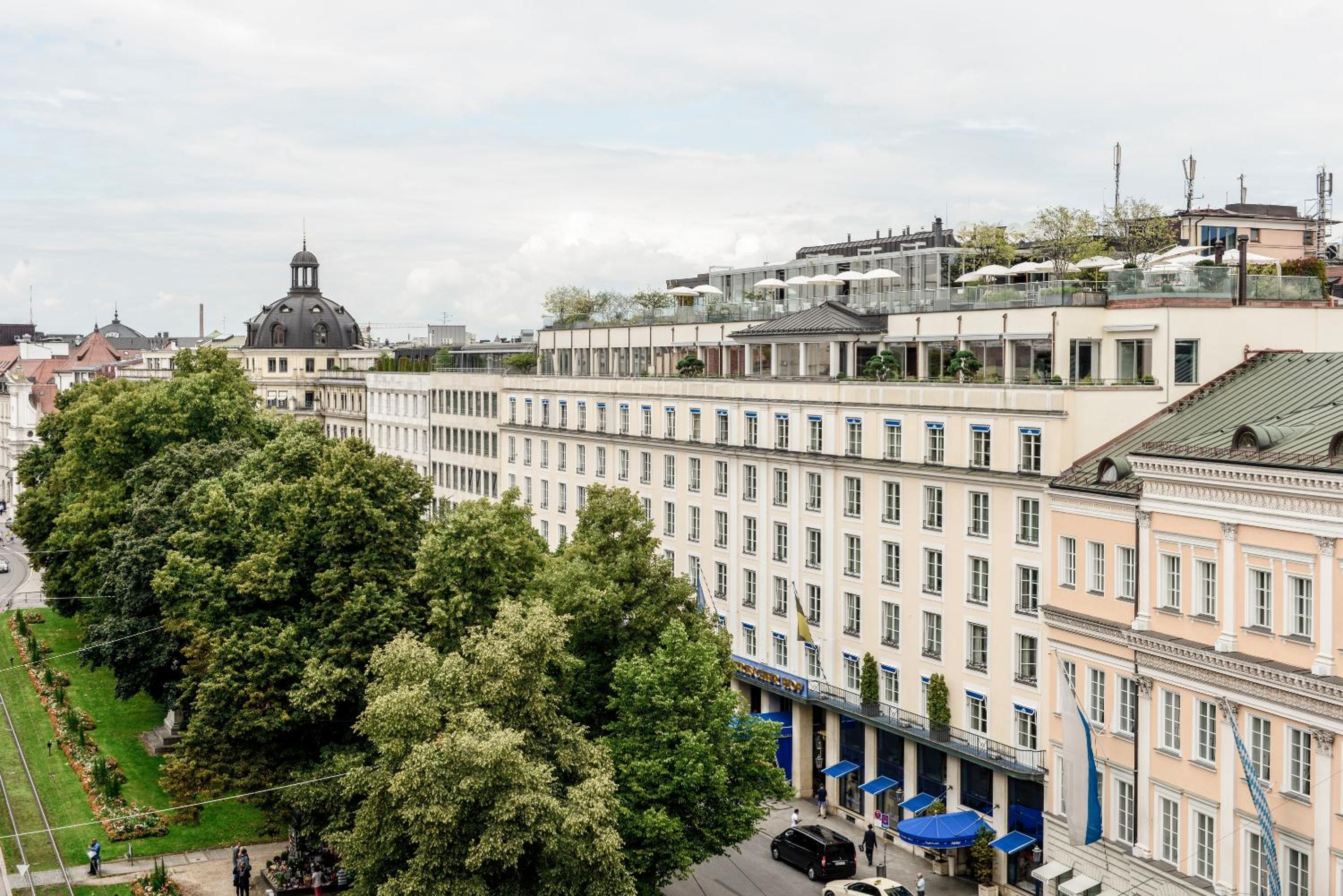
Stay in Isarvorstadt or Westend for a first visit: within walking distance of the Theresienwiese and the Glockenbach bars, with the cheapest central beds and the Altstadt a short walk or one stop away. Most people give Munich 2 nights on Stippl. Oktoberfest is a different market: rooms in the Wiesn fortnight go months ahead at multiples of the normal rate.
Altstadt-Lehel
€140–260
Hotels from the grand to the plain around Marienplatz, €150 to €400, at the steepest premium in Germany.
Maxvorstadt
€110–200
Mid-range hotels and pensions with a large breakfast, €110 to €200, quiet at night.
Schwabing
€120–220
Boutique hotels and apartments along the Englischer Garten, €120 to €220.
Isarvorstadt
€100–190
The cheapest central beds, hostels €28 to €45 and hotels €90 to €170, tripling during Oktoberfest.
Westend
€90–160
Hostels and budget hotels beside the Theresienwiese, €30 a bed to €140 a room.
Au-Haidhausen
€100–180
Family hotels and apartments across the Isar, €100 to €180, one tram from the centre.


What to eat in Munich
Veal-and-pork white sausage, poached, skin peeled off, eaten before noon
The only correct accompaniment to Weisswurst
Large, chewy, salted; the beer garden's default carbohydrate
Roasted knuckle with crackling, a plateful for one
Camembert whipped with butter, paprika and onion, eaten with pretzel
A baked meat loaf sold in a bread roll as a standing lunch
Discover food spots in Stippl
Find restaurants and markets on the map, save them to your itinerary, works offline too.
Munich customs and what not to do
Bavaria is not the default
The dress, the dialect, the holidays and the Catholicism are regional and locals will tell you so; treating Munich as generic German is the reliable way to get it wrong.
Tracht is worn seriously
Dirndl and Lederhosen at Oktoberfest are normal local clothing, not costume, and cheap novelty versions read as exactly that; rent or buy the real thing, or wear your own clothes.
Grüss Gott, not Guten Tag
The Bavarian greeting is standard in shops and taverns and using it lands well; Servus works among younger people, and both are answered.
Quiet hours are real
Ruhezeit at night and all day Sunday is a social rule in residential buildings, which matters if you are in an apartment; no washing machine, no drilling, no noise on the stairs.
Do
- Greet with Grüss Gott when you walk into a shop
- Ask whether a beer garden seat is free before you take it
- Book Neuschwanstein and any Wiesn table long before you travel
- Buy the Bayern-Ticket if you are leaving the city for the day
Don't
- Order Weisswurst in the afternoon
- Bring your own food into the waited part of a beer garden
- Assume Sunday shopping; Bavaria keeps the rule strictly
- Treat Oktoberfest clothing as fancy dress
What a Munich trip costs
Budget
€55–80
Hostel dorm, market lunch, one beer garden evening, walking the free centre.
Mid-range
€100–150
Three-star or apartment, a restaurant dinner, a museum, a day ticket.
High-end
€230+
Four-star in the Altstadt, a Wiesn tent table in season, guided day trips.
Track what you actually spend
Set a daily budget per country and log expenses in any currency while you travel.
Fun facts about Munich
The Englischer Garten is larger than Central Park. About 375 hectares against 341, and it runs from the edge of the old town far into the north, which is why Munich feels green from the middle.
The Eisbach wave is surfed all year in the middle of the city. The standing wave on the canal at the edge of the Englischer Garten has surfers on it in snow, and the crowd on the bridge watching.
Munich has been Germany's safest large city for about fifty years running. The federal crime statistics have placed it first for decades, and the locals treat that as a civic fact.
Oktoberfest is sixteen days in September, not October. It began as a royal wedding celebration in 1810 and ends on the first Sunday of October, changing the price of every bed in the city while it runs.
The beer garden is a public institution with its own law. In the self-service section you may bring your own food, a right protected by Bavarian regulation, and buy only the beer.
Munich's old town fits inside the ring road that replaced its walls. Marienplatz to the Hofbräuhaus to the Viktualienmarkt is a ten-minute triangle, in a way Berlin's centre is not.
Local tips for Munich
A day ticket is €10.10
A single in zone M is €4.20 and the strip ticket €18.70 for ten strips. Children from six to fourteen travel free on the day ticket, so a family pays for the adults only.
The Bayern-Ticket for day trips
€34 for one and €74 for up to five, unlimited regional trains in Bavaria from nine on weekdays. Neuschwanstein, Salzburg and the Zugspitze all run on it, under €20 a head for four.
The airport is far out
Forty to forty-five minutes on the S-Bahn at €15.10, and the Lufthansa Express Bus is not faster in traffic. The Hauptbahnhof is the single hub with left luggage and the airport line.
How long to stay
Most people give Munich 2 nights on Stippl: the Altstadt, a beer garden and the Englischer Garten one day, a castle or the Alps the next. Book Neuschwanstein tickets weeks ahead.
Oktoberfest is its own rules
The city is Germany's safest big one; the Wiesn fortnight is drunkenness, crowding and theft in the tents, all in one square kilometre. Book rooms a year out and go on a weekday morning.
Check the mountain forecast
Alpine weather turns faster than the city forecast suggests, and the Zugspitze and Berchtesgaden trips need proper shoes. Cycling in town is safe, and riding on a footpath gets you a fine, not a shrug.
Munich questions, answered
As a base, not a stop. Munich opens the trip on 24.9% of the trips that include it on Stippl, and the things people come to Bavaria for, the castles, the Alps, Dachau, are all day trips out and back. Give it a fixed bed in Stippl, hang the days off it, then ask a Bavaria forum which of them are honestly same-day.
Two for the city, three if you want a day trip out of it. The normal stay on Stippl is 2 nights, and 32.8% of Munich stops are a single night, which is enough for the Marienplatz, one beer hall and a museum, and not enough for the Alps as well.
Rarely, in practice, though nothing stops you. Munich is the only German stop on 44.7% of the trips built around it on Stippl, and it turns up alongside Berlin less often than the two cities' sizes would predict. Munich pulls south instead, to Nuremberg, Füssen, Salzburg and the Alps.
No. Entry to the Wiesn grounds is free and always has been, and you can walk in off the street. What you cannot walk into is a table inside a tent: those are reserved months ahead, and without one you queue for whatever a tent releases, which on a weekday morning is a great deal more than on a Saturday night.
Yes, and it is the standard way to do it. Reckon on about two and a half hours each way by train and bus, on a timed entry slot booked well in advance, with the regional day ticket covering the whole journey. Leave on the first train you can, because the middle of the day is the crush.
They are different trips rather than better and worse. Munich is compact, Bavarian, walkable and the doorstep to the Alps; Berlin is large, historical, cheaper and a destination in itself rather than a base. Pick Munich if you want mountains and tradition in the same week, and Berlin if you want the twentieth century and the nightlife.
Every guide is written by the Stippl editors and checked against the trips our travellers actually plan. Spotted something out of date? Let us know.

Plan Munich in Stippl
Day-by-day planning, stays and budget in one app, with every place from this guide already on the map.
Download the app