
Berlin
Berlin is the cheapest big capital in western Europe, and puts the twentieth century in front of you for free. Five museums on one island, clubs like nowhere else, an airport turned into a park.
Berlin in a nutshell
Berlin: what to expect
This is what 194,000+ planned stops in Germany on Stippl say about Berlin, and about how long people actually give it.
Berlin is the one German city that holds people for three nights. You come for the twentieth century and stay for the way the city carries it: the Wall memorial on Bernauer Strasse rather than the painted stretch everyone photographs, the five museums of Museum Island, the Reichstag dome, Tempelhofer Feld left as a public field where the runways were. Only 24.4% of Berlin stops are a single night, the lowest share of the big German cities.
Germany is a country people cross, and Berlin is where they stop. 7.7% of Berlin stops get no night at all, against 20.9% across Germany as a whole, and stops of four nights or more are more than twice as common here as they are nationally. Nothing else in Germany holds a traveller this long.
Give it three nights and point the rest of the trip east. Two nights covers the Wall and one museum; the third buys a night out, and the doors decide who comes in rather than any list you can book. When a Berlin trip carries a second German city it is almost always Dresden or Leipzig, an hour or two down the line, and almost never Munich. Sleep in Kreuzberg or Neukölln for the food and the late trains, Mitte if you want to walk to everything.
Plan Berlin in Stippl
Day-by-day planning, stays and budget in one app, with every place from this guide already on the map.
Download the appWho Berlin is for
History travellers
No other European capital puts the twentieth century in front of you at this density, and most of it is free to walk up to.
Nightlife travellers
The clubs are the reason a large part of the city's visitors are here, and they are unlike anywhere else in Europe.
First-timers to Germany
English is nearly universal in the visitor economy, the transport is legible, and Berlin is the 1st most-planned stop in the country.
Budget travellers
The cheapest big capital in western Europe, with a hostel scene that is genuinely good rather than merely cheap.
Museum and gallery people
Five state museums on one island plus a contemporary scene that stretches across the city.
Families
Flat, green, well served by trams, and children under six ride public transport free.
Maybe not for you: travellers who want a compact old town. Berlin was bombed flat and rebuilt twice, and what it offers instead is scale and texture, not a pretty centre.
The best time to visit Berlin
Open-air season
May to September
Beer gardens, lake swimming at Wannsee and the Müggelsee, and the parks in constant use. Berlin's summer is the drier one in Germany, and the city is planned for June and August more than any other months.
Shoulder
April and October
Cool, changeable and cheap, with the museums and the clubs running as normal and the terraces on the good days. German Unity Day on 3 October closes the shops.
Grey season
November to March
Genuinely dark, with sunset before four in December, and the season the museums are built for. The Christmas markets run from late November and the rooms are at their cheapest in January.
- June is the month most travellers plan Berlin for on Stippl, ahead of August rather than behind it. The city's demand rises from May and falls hard after August with only a small December bump; the summer city and the Christmas-market city are two different trips.
- Labour Day on 1 May brings demonstrations and street parties to Kreuzberg and Neukölln. It is a fixed annual event rather than a surprise, and worth deciding about rather than walking into; the rest of the city has a quiet public holiday.
- Christopher Street Day in late July is one of Europe's largest Pride parades, and the weekend beds get scarce. The parade route runs through the west and ends at the Brandenburg Gate; book the weekend or come the week after.
- Oktoberfest is Munich's and Berlin has no meaningful equivalent. Do not plan the trip around it here; the city's autumn fixture is German Unity Day on 3 October, when the shops close and the Brandenburg Gate hosts the festival.
Add your Berlin dates and we'll flag the weather
Stippl shows the season, crowds and prices for every stop on your route.
Describe your trip, get a Berlin itinerary in seconds
Everything in this guide is already in Stippl. Tell the planner how long you have and what you like: it builds the route, the days and the travel times, and you edit whatever you want.
Things to do in Berlin
 Photo by André Fuck via Unsplash
 Photo by Aron Marinelli via Unsplash
 Photo by Abdulmomen Bsruki via Pexels
The line of the Wall
Walk the Berlin Wall Memorial on Bernauer Strasse, the one that explains the thing, then the East Side Gallery, the one people photograph, free. The memorial's tower gives the only view of a preserved death strip.
Museum Island
Take the five state museums on one Spree island, a UNESCO site in its own right, as one day rather than five visits, about €24 for the day ticket. The Pergamon's main hall is closed for years; the Neues Museum's Nefertiti is the room.
The Reichstag dome
Register online days ahead for the free walk up the glass dome, the one view of the city that comes with the argument about who governs it. The eight in the evening slot has the lights.
A night out on Berlin terms
Arrive after one; earlier marks you as a visitor, and the door policies at Berghain and Tresor are a real filter rather than a rumour. About €20 at the door, no photographs, and plan the night on the S-Bahn timetable.
Tempelhofer Feld
Cycle or skate the runways of the decommissioned airport left as a public field, free, with the city picnicking on the grass between them. A bike from any rental for about €12 a day; the gates close at dusk.
Sunday at Mauerpark
Walk the flea market and stand in the amphitheatre for the outdoor karaoke from three, the closest thing the city has to a weekly civic ritual, free. Summer Sundays, and the food stalls at the north end.
The neighbourhoods of Berlin
Mitte
Sights on the doorstep
The historic centre: the Brandenburg Gate, Museum Island, the Reichstag and the memorial all inside a walk, with hotels of every grade. For first visits and for the sights on foot.
Everything walkable, and the least Berlin of the districts.
Kreuzberg
Loud, Turkish, up late
The canal-side Turkish market, the best late food in the city and the clubs people fly in for, with hostels and apartments. For nightlife and for the Berlin people come for.
The best nights and food, and no quiet before morning.
Friedrichshain
Post-industrial, young, cheap
The East Side Gallery, the party hostels and the cheapest beds, around Boxhagener Platz and the warehouses by the river. For budget travellers and the club crowd.
Cheap beds and the clubs, and the hostel noise.
Prenzlauer Berg
Restored, calm, family
Nineteenth-century streets, the Sunday Mauerpark market and quiet cafés, with apartments and family hotels around Kollwitzplatz. For families and for calm in the east.
The prettiest streets and the quiet, and a tram to the centre.
Neukölln
Immigrant, gentrifying, cheap rents
Where the cheap rents and the newest bars went after Kreuzberg, with the canal at its edge and rooms in shared flats. For long stays and for the newest scene.
The new bars and low rents, and a rough edge on the main road.
Charlottenburg
West Berlin, grown up
The palace, the Ku'damm shops and the calmest streets a visitor is likely to book, with the grand hotels. For comfort and for the old West.
The calm and the palace, and half an hour to the east's evenings.
See every Berlin neighbourhood on one map
Save the areas you like and Stippl plots your days so you're not crossing the city twice.
Where to stay in Berlin
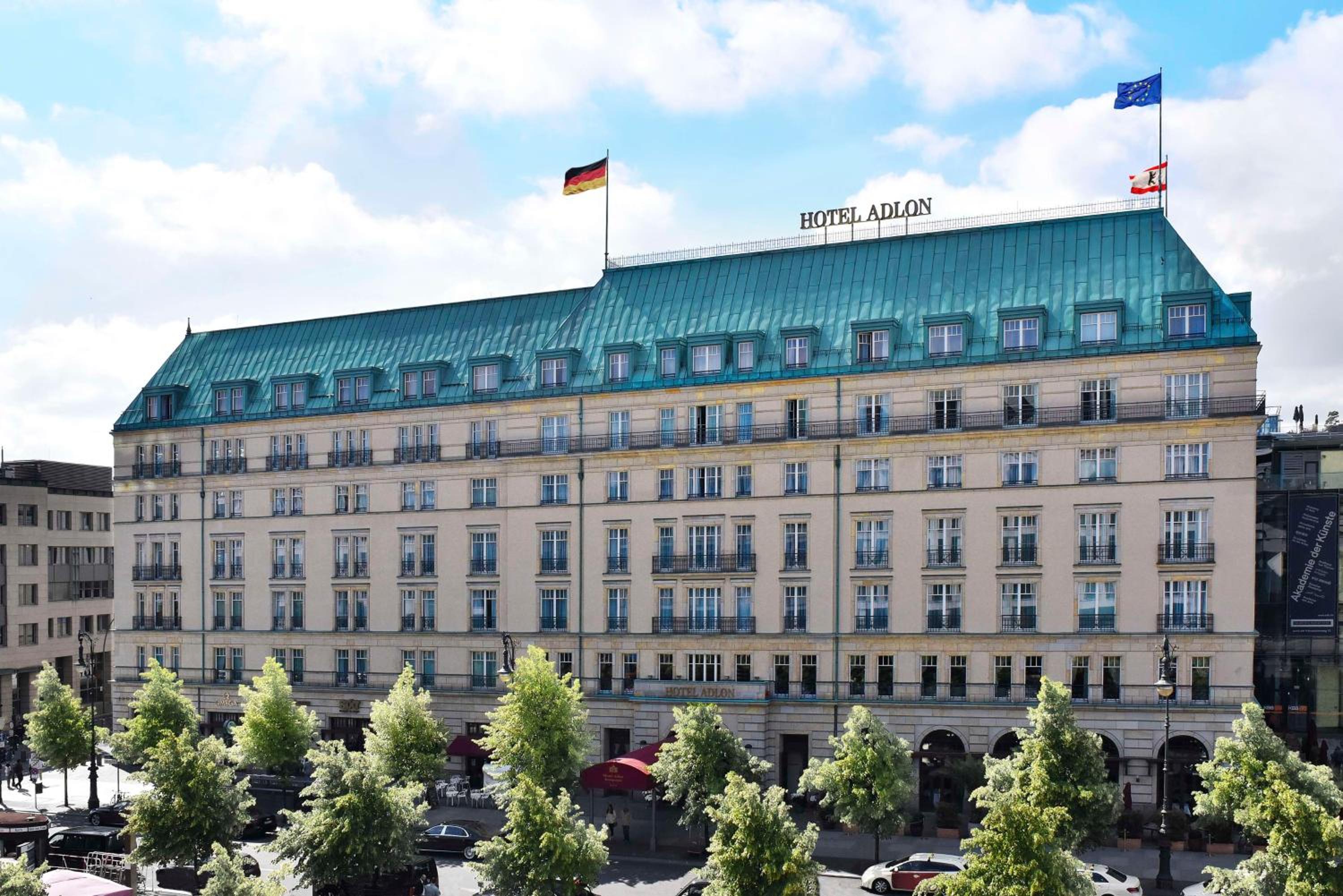
Stay in Mitte for a first visit: it costs the most and saves the most time, with the Brandenburg Gate, Museum Island and the memorial inside a walk. A hotel here runs about €261 a night in what travellers log, while the hostel layer is where Berlin undercuts every other capital. Book well ahead for Christopher Street Day in late July and the first Christmas-market weekend.
Mitte
€110–200
Hotels of every grade, €120 to €300, with design hotels in the old blocks and hostels from €30 a bed.
Kreuzberg
€90–160
Hostels €25 to €40 a bed and apartments, €90 to €160, with the late food and the clubs outside.
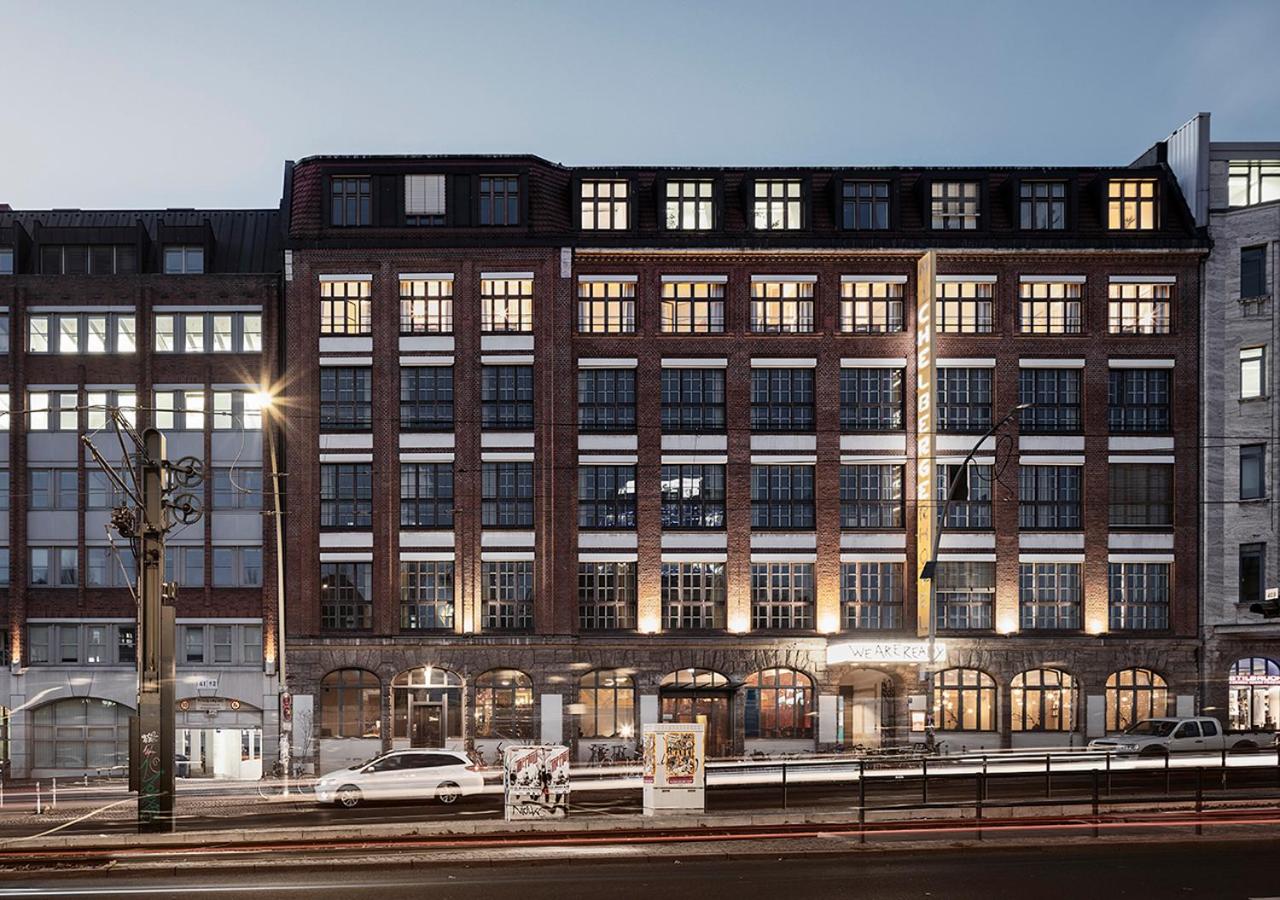
Friedrichshain
€70–140
The party hostels and the cheapest beds, €20 to €35 a bed, and warehouse hotels by the river from €80.
Prenzlauer Berg
€100–170
Family hotels and apartments around Kollwitzplatz, €100 to €180, quiet after dark.
Neukölln
€70–130
Rooms in shared flats and long-stay apartments, €60 to €120, where the cheap rents went.
Charlottenburg
€110–190
The grand hotels and the old West's comfortable chains, €130 to €350, on the calmest streets.


What to eat in Berlin
Grilled meat, salad and sauce in flatbread; the Berlin version is its own thing
Sliced sausage under curried tomato sauce, eaten standing up
Sour wheat beer, traditionally cut with raspberry or woodruff syrup
A flat pork-and-beef meatball, the local snack-bar staple
A full second cuisine here, from the former East's guest-worker history
A long shared plate rather than a quick meal; the city's real weekend ritual
Discover food spots in Stippl
Find restaurants and markets on the map, save them to your itinerary, works offline too.

Berlin customs and what not to do
Directness is not rudeness
Berlin service is brisk and unsmiling by international standards and it carries no hostility; reading it as coldness is the most common visitor misreading.
Do not photograph in clubs
Phone cameras are covered with stickers at the door and the rule is enforced; it is the single most important piece of nightlife etiquette here, and the door decides who gets in.
Jaywalking is judged
Crossing on a red pedestrian light in front of waiting Berliners will draw comment, particularly if children are present; wait for the green man like everyone else.
The cycle lane is not a path
They are painted, wide and in constant use, and standing in one for a photograph gets a bell and a word; walk on the grey part.
Do
- Validate your ticket, every time
- Carry €20 to €40 in cash for the Spätis, kiosks and bars that still want it
- Sit down at the long table with strangers in a beer garden; that is what it is for
- Register for the Reichstag dome before you arrive
Don't
- Photograph inside a club
- Expect a smile with your service, or read its absence as a problem
- Plan a Sunday supermarket run
- Stand in a cycle lane
What a Berlin trip costs
Budget
€45–65
Hostel dorm, supermarket breakfast, döner and Späti beer, free sights and one paid museum.
Mid-range
€90–130
Three-star or good apartment, a sit-down dinner, museum tickets, a 24-hour transport card.
High-end
€200+
Four-star in Mitte, restaurant dinners, tours booked ahead.
Track what you actually spend
Set a daily budget per country and log expenses in any currency while you travel.
Fun facts about Berlin
Berlin's techno culture is protected cultural heritage. It was added to Germany's national list of intangible cultural heritage in 2024, which makes the club scene a protected practice rather than only an industry.
An airport-sized field sits inside a housing-short capital. A 2014 city referendum blocked building on Tempelhofer Feld, so the former airfield stays open as public space with its runways intact.
Berlin covers roughly nine times the area of Paris. The sights people come for are spread across several districts, so a day here is a transport question before it is a walk.
Berlin is the cheapest of the big European capitals to eat, drink and sleep in. Its own residents will say so first, and the Turkish and Vietnamese communities have shaped what people actually eat more than any German tradition.
Some Berlin clubs do not close between Friday and Monday. The nightlife runs on a different clock, with the floors filling after one in the morning and the weekend treated as one continuous night.
The Wall is still the map. Almost everything a first visit is built around sits on or near the former line: the memorials, Checkpoint Charlie, the East Side Gallery and the Brandenburg Gate.
Local tips for Berlin
A single AB is €4.00
A 24-hour AB card is €11.20 and a small-group day card €35.30 for up to five. The airport needs the ABC zone at €5.00; the €28.50 WelcomeCard only pays if you use the museum discounts.
Validate, no barriers
There are no gates, but tickets bought on paper must be stamped before boarding and the plain-clothed inspectors are frequent. The fine is €60 and they do not negotiate.
Trains all night at weekends
The U-Bahn and S-Bahn run through the night on Friday and Saturday and until about one on other nights, with night buses filling the gap. Trams run only in the former east.
How long to stay
Most people give Berlin 2 nights on Stippl: Mitte and the Wall one day, Kreuzberg and a museum the next. Book the Reichstag dome online; it is free and fills a week out.
Lock the bike properly
A bike is a serious way around, but tens of thousands are stolen in the city every year. Use the D-lock the shop gives you, never a cable, and bring it inside at night.
Pickpockets work in groups
Crowded U-Bahn carriages, Alexanderplatz, the Brandenburg Gate and Kurfürstendamm are where it happens, usually by distraction. In the clubs, watch your own drink; that is the nightlife precaution that applies.
Berlin questions, answered
Put it at the front. Berlin opens the trip on 26.5% of the trips that include it on Stippl, which suits a city you arrive in tired and want three slow days for. Lay the route out in Stippl and see whether Dresden and Leipzig still fit. Then ask people who have been, in subreddits like r/berlin, how much you have overpacked, and say how many nights you have.
Two, though three is the better answer. Most people plan 2 nights on Stippl, and 19.1% of Berlin stops run to four or more, the widest spread of any German city we hold. Two nights covers the Wall and one museum; three covers a night out, which is half of why people come.
A city break, usually. Berlin is the only German stop on 53.1% of the trips people build around it on Stippl, so most visitors fly in for the city and out again rather than touring the country. If you do add a stop, the data points east to Dresden and Leipzig, not south to Munich.
No, and it will not be for a long time. The whole museum closed for a full refurbishment and is not due back for years, and even then only in part. Any guide that still lists it as a Berlin highlight is out of date, so check the Staatliche Museen zu Berlin site before you build a day around it.
No, and mostly you cannot. Entry is decided at the door on the night, the queues are longest after midnight, and the door policy is a real filter rather than a formality. Go early or on a weeknight if you want the odds, dress down rather than up, and put your phone away once you are inside.
About thirty to forty-five minutes by train. BER sits well outside Berlin in fare zone C, so the ticket you need covers zones A, B and C, and buying only an AB ticket is the standard mistake. The airport express and the regional trains both run to the main station and to Alexanderplatz.
Every guide is written by the Stippl editors and checked against the trips our travellers actually plan. Spotted something out of date? Let us know.

Plan Berlin in Stippl
Day-by-day planning, stays and budget in one app, with every place from this guide already on the map.
Download the app