

San José
San José is one night for most people, and the best use of it is the finest gold and jade collections in Central America and dinner in Barrio Escalante. The theatre was paid for with a tax on coffee.
San José in a nutshell
San José: what to expect
We looked at how travellers actually plan San José on Stippl, across 87,000+ planned stops in Costa Rica.
San José is where Costa Rica starts, and one night is what most travellers give it. San José is a working capital in a mountain valley, held between 19 and 21 degrees all year, and the honest reason to be here is that the rest of the country begins here. What there is fills an afternoon and an evening: the Teatro Nacional, paid for by a levy on coffee exports; the gold and jade museums, two serious pre-Columbian collections a few blocks apart; the National Museum in the old barracks, its walls still carrying bullet marks from the civil war; and the Mercado Central for lunch.
Nobody stays in San José, and the figure is extreme. 70.6% of stays here are a single night, the highest one-night share we measure anywhere in the world.
Use the night rather than resent it. Land, eat, sleep, and take the morning shuttle out. The airport is twenty kilometres northwest, the shuttles to La Fortuna leave morning and mid-afternoon, and locals call the place Chepe. And if your trip is short, this is the stop to cut: San José pairs with everything and belongs to nothing, so nothing else in your plan depends on it.
Plan San José in Stippl
Day-by-day planning, stays and budget in one app, with every place from this guide already on the map.
Download the appWho San José is for
Anyone arriving or leaving
Most visitors pass through San José, and seven in ten who sleep here sleep here once; 1 night is the norm.
Museum travellers
The gold and jade collections are the best in Central America and genuinely worth a day.
Food travellers
Barrio Escalante is the reason to eat in the capital, and it is a neighbourhood built around restaurants.
History travellers
The National Museum sits in the old barracks whose walls still carry bullet marks from the 1948 civil war, where the army was abolished a year later.
Maybe not for you: anyone planning a holiday here, since almost nobody stays more than a night; and anyone walking downtown after dark, because a taxi is the one point everybody agrees on.
The best time to visit San Jose
Dry season
December to April
What everyone means by high season: dry, clear and the volcano day trips to Poás and Irazú at their most reliable. The city itself is a night at either end of the trip.
Green season
May to November
Afternoon rain most days, with a real dip in July, the veranillo, when the sun comes back for a few weeks. The temperature never changes; the Central Valley is spring all year.
- January is the month most travellers plan San José for on Stippl, and Costa Rica as a whole is planned about 79 days ahead. The city has the hotel stock of a capital and never runs out; the lead is for the rest of the trip.
- The temperature does not change in San José. The spread between the warmest and coolest month is under two degrees, the flattest curve of any city we cover; the only thing the calendar decides is the afternoon rain.
- Poás and Irazú need a clear morning, and the dry season gives the most of them. The craters cloud over from late morning in any month; the volcano day starts at the gate at opening or it sees fog.
- The July veranillo is a real dip in the rain. The showers ease for a few weeks between June and August, the sun comes back in the afternoons, and our own travellers make July the fourth-largest month of the year here.
Add your San José dates and we'll flag the weather
Stippl shows the season, crowds and prices for every stop on your route.
Describe your trip, get a San José itinerary in seconds
Everything in this guide is already in Stippl. Tell the planner how long you have and what you like: it builds the route, the days and the travel times, and you edit whatever you want.
Things to do in San Jose


The Teatro Nacional
Take the guided tour of the theatre opened in 1897 and paid for by a levy on coffee exports, with its marble staircase and frescoed ceilings, about €10; or see a performance for a few euros more. The café inside is the best in the centre.
The Pre-Columbian Gold Museum
Spend an hour underground beneath the Plaza de la Cultura with one of the most significant archaeological collections in the region, about €15. Closed Mondays.
The Jade Museum
See the largest collection of pre-Columbian jade in the Americas across five floors, about €15, ten minutes' walk from the gold museum. An hour, and the top floor is the one.
The National Museum
Walk the old Bellavista barracks whose walls still carry the bullet marks of the 1948 civil war, where the army was abolished in 1949, about €10. The butterfly garden at the entrance is the surprise.
The Mercado Central
Eat at a soda in the covered market that has run since 1880, a casado for about €5 and a coffee from the stalls. Mornings, and keep the bag in front.
Bajos del Toro
Take the day trip ninety minutes north to the Catarata del Toro, dropping into an extinct crater, and the Blue Falls, about €15 entry each. A car or a tour for about €90; the morning has the light.
The neighbourhoods of San José
Barrio Amón
Coffee-baron mansions, boutique hotels
The old coffee-baron quarter north of downtown: late-nineteenth-century mansions, several converted into boutique hotels and cafés, the most characterful place to sleep in the city. For first visits and couples.
The prettiest streets and the character, and a walk downtown by day only.
Downtown
Museums, theatre, the market
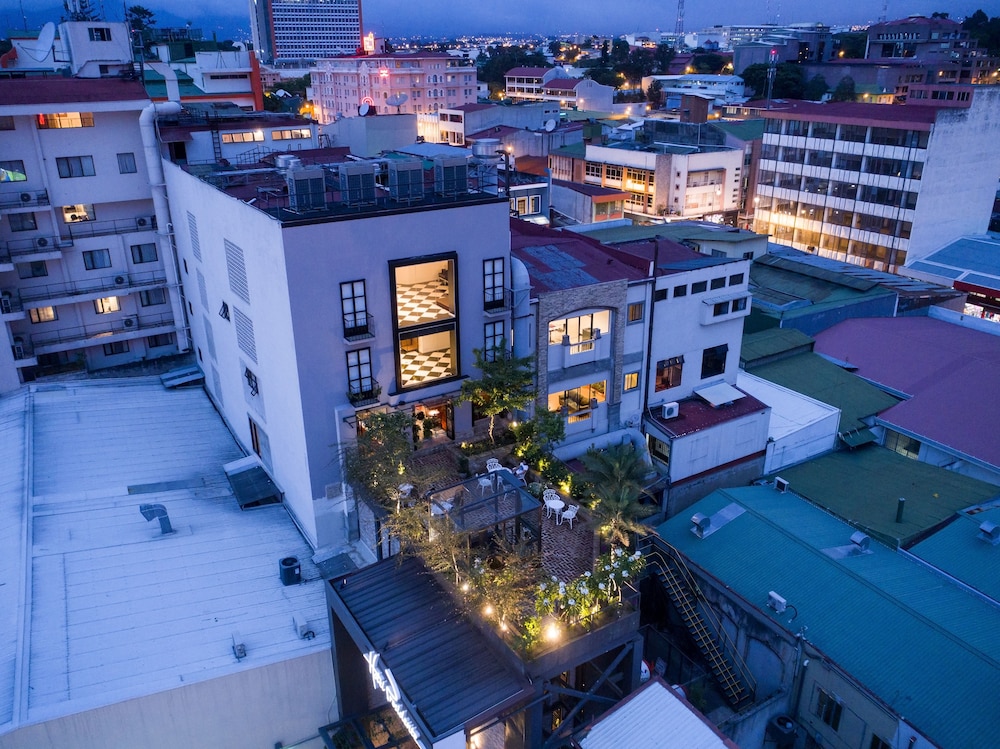
The museum and theatre quarter around the Plaza de la Cultura, with the Mercado Central, the pedestrianised Avenida Central and most of the sights, and the business hotels. For sightseeing on foot; not for walking at night.
The sights on foot, and Uber after dark.
Barrio Escalante
The eating district, craft beer
A few blocks east of downtown holding most of the city's serious restaurants, craft beer and coffee on Calle 33, with boutique guesthouses. For food and evenings.
The best kitchens on foot, and a walk to the museums.
La Sabana
Park, stadium, art museum
The green west side around the metropolitan park and the national stadium, with the art museum in the park's old airport terminal, residential and calmer, with the big hotels. For families and for a pool by the park.
The park and the calm, and a taxi to the centre.
Escazú
Hills, malls, embassies
The wealthy hills west of the city: malls, embassies, the international restaurants and the chain hotels. For business travellers and for evenings in the safest district.
The safest evenings, and half an hour to anything in the centre.
See every San José neighbourhood on one map
Save the areas you like and Stippl plots your days so you're not crossing the city twice.
Where to stay in San José
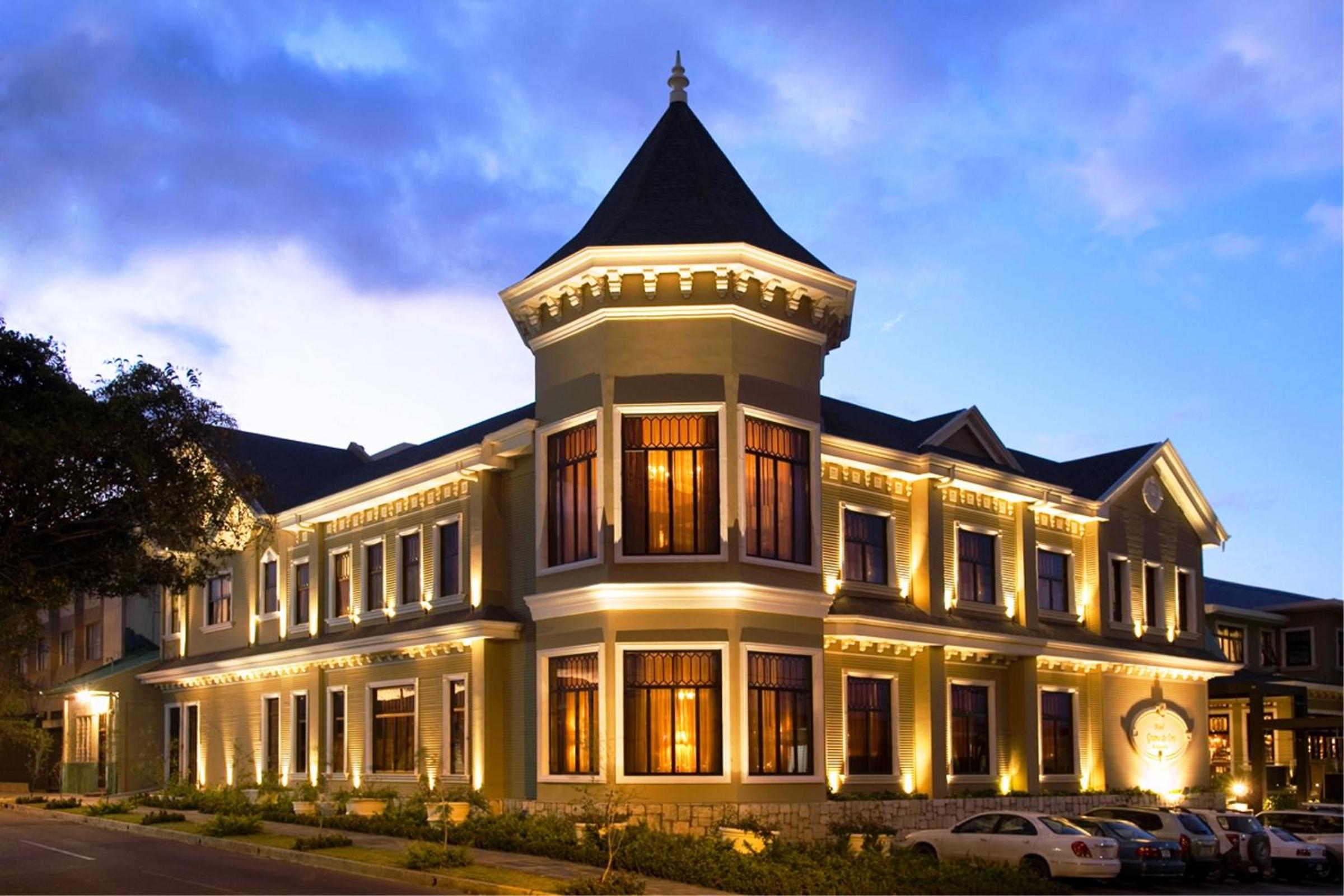
Stay in Barrio Amon for a first visit: the converted coffee-baron mansions run as boutique hotels are the only characterful rooms in the city, and downtown is a ten-minute walk. 70.6% of San Jose stops planned on Stippl are a single night, the highest share in the country. For an early flight, an airport hotel in Alajuela beats the city.
Barrio Amón
Boutique hotels in late-nineteenth-century mansions, €70 to €150, with cafés in the courtyards.
Downtown
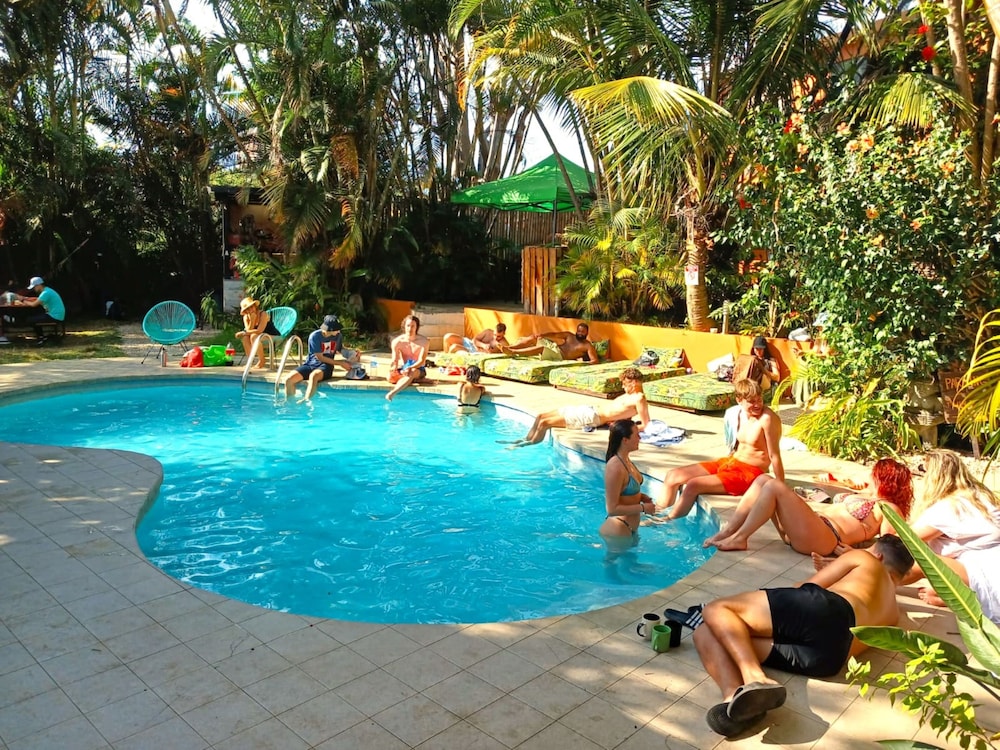
The hostel cluster from €14 a bed and plain hotels, €40 to €80, near the museums and the market.
Barrio Escalante
Boutique guesthouses among the restaurants, €60 to €120, on the city's best eating street.
La Sabana
Mid-range hotels and apartments by the park, €60 to €120, residential and calm.
Escazú
The chain hotels and serviced apartments in the hills, €100 to €220, with the malls next door.


What to eat in San José
Standard Costa Rican plate: rice, beans, plantain, salad and a protein
Rice and beans fried together, the dish to try on the first morning
Valle Central coffee, a serious local specialty
The city's serious restaurant and craft-beer scene
Discover food spots in Stippl
Find restaurants and markets on the map, save them to your itinerary, works offline too.
San Jose customs and what not to do
A soda is a restaurant
A small counter kitchen, not a drink, and a casado is what you order there: rice, beans, plantain, salad and a protein for about €6. The Mercado Central has a dozen.
Locals call it Chepe
Chepe is the nickname for anyone called José and it is what people here call the city; you will hear it long before anyone explains it.
Usted, and a greeting first
Every exchange in a shop or a soda opens with buenos días and usted; going straight to the order is the thing that reads as rude here.
The theatre has a dress code
The Teatro Nacional asks for smart dress for evening performances and the ushers enforce it; the afternoon tours are relaxed, and the coffee in the foyer is the best in town.
Do
- Eat a casado in the Mercado Central
- Greet before you order, everywhere
- See a performance at the Teatro Nacional
- Walk the centre by day and take Uber after dark
Don't
- Call it San José to a taxi driver; say Chepe
- Walk downtown at night, including short distances
- Photograph the market traders without asking
- Tip on top of the ten percent unless the service was special
What a San Jose trip costs
Budget
€47–75
Dorm bed or downtown budget hotel, sodas for most meals, walking by day and Uber after dark, one museum a day.
Mid-range
€105–170
Barrio Amón boutique double, restaurant dinners in Escalante, a food or walking tour.
High-end
€300+
West-side hotel in Escazú or Santa Ana, private guides, private transfers.
Track what you actually spend
Set a daily budget per country and log expenses in any currency while you travel.
Fun facts about San José
San José sits at 1,170 metres in a valley ringed by volcanoes. That is why a city ten degrees north of the equator never gets hot, and why the mornings are cool enough for a jacket.
The temperature varies by 1.6 degrees across the whole year. About 19 degrees in December and 20.5 in April; what changes in San José is the rain, not the heat.
July is a dry month inside the wet season. Rainfall drops from 399 mm in June to 276 mm in July and climbs back in August; the dip is called the veranillo, the little summer.
The National Theatre was paid for by a tax on coffee. The 1897 building was funded by an export levy and modelled on European opera houses, and it is the city's signature.
Locals call the city Chepe, not San José. It is the Costa Rican nickname for José, and the buses, the graffiti and the football chants all use it.
San José pairs equally with everything, which means it pairs with nothing. On Stippl it appears on most Costa Rican trips, and nine of the ten headline destinations follow it about equally often; it is the gate.
Local tips for San José
The airport is in Alajuela
Juan Santamaría is about twenty kilometres north-west of the city. Uber runs alongside the official orange taxis, about €25; the Tuasa bus is about €8 every ten minutes from before five.
Shared shuttles out, not buses
The tourist shuttles are the standard way out: La Fortuna from about €47 a person, morning and afternoon departures, every destination on the circuit. Public buses are half the price and twice the time.
A car for outside town only
It is a liability in the city and a necessity beyond it. Most people pick up the rental on the way out, from the airport, rather than in the centre.
Most people stay one night
70.6% of stops are a single night, the arrival or the departure before the eight o'clock shuttle. One is enough for the theatre and the museums.
Downtown by day only
Fine on foot in daylight and not at night, including short distances; use Uber or hotel transport after dark. Escazú, Santa Ana and Sabana are the neighbourhoods for evenings.
Petty theft around the market
Bag-snatching and pickpocketing are the realistic risks, around the Mercado Central and the bus terminals most of all. Bag in front, phone away.
San Jose questions, answered
At the ends of it, briefly. San Jose carries 19.24% of everything planned in Costa Rica on Stippl, more than anywhere else, and almost all of that is the night either side of a flight. Put it into Stippl as an arrival and a departure and give the days to the coast.
One night. 70.6% of San Jose stops planned on Stippl are a single night, the highest share anywhere in Costa Rica, because the city is the airport and the shuttle depot rather than the destination. A late arrival and an early departure is the standard shape of it.
Some do: 9.5% of San Jose stops planned on Stippl carry no night at all, a straight transfer from the airport onto a shuttle. That works if the flight lands in the morning. If it lands after dark, sleep in the city and start the drive fresh instead.
For the gold museum, the jade museum and the Teatro Nacional, yes, and all three are genuinely good. The city around them is not why anybody comes to Costa Rica and does not pretend to be. Half a day in the centre and lunch at the Mercado Central is about the right dose.
Downtown by day, yes, with the usual care over bags and phones. At night the advice is unanimous: take a taxi or an Uber rather than walking, even a few blocks. Barrio Escalante and Barrio Amon, where most visitors sleep, are calmer than the centre once it gets dark.
Uber, an official orange airport taxi, or the Tuasa bus, which runs every ten minutes into the centre for a fraction of the fare. The airport is actually in Alajuela, twenty minutes out, so if your first stop is La Fortuna or Monteverde it can be quicker to skip the city.
Every guide is written by the Stippl editors and checked against the trips our travellers actually plan. Spotted something out of date? Let us know.

Plan San José in Stippl
Day-by-day planning, stays and budget in one app, with every place from this guide already on the map.
Download the app