

Puerto Viejo
This coast speaks Creole, eats Afro-Caribbean and plays reggae, and everyone who does both sides of Costa Rica notices without being told. A bicycle takes you south until the road stops and Panama starts.
Puerto Viejo in a nutshell
Puerto Viejo: what to expect
This page is built on 87,000+ stops planned across Costa Rica on Stippl.
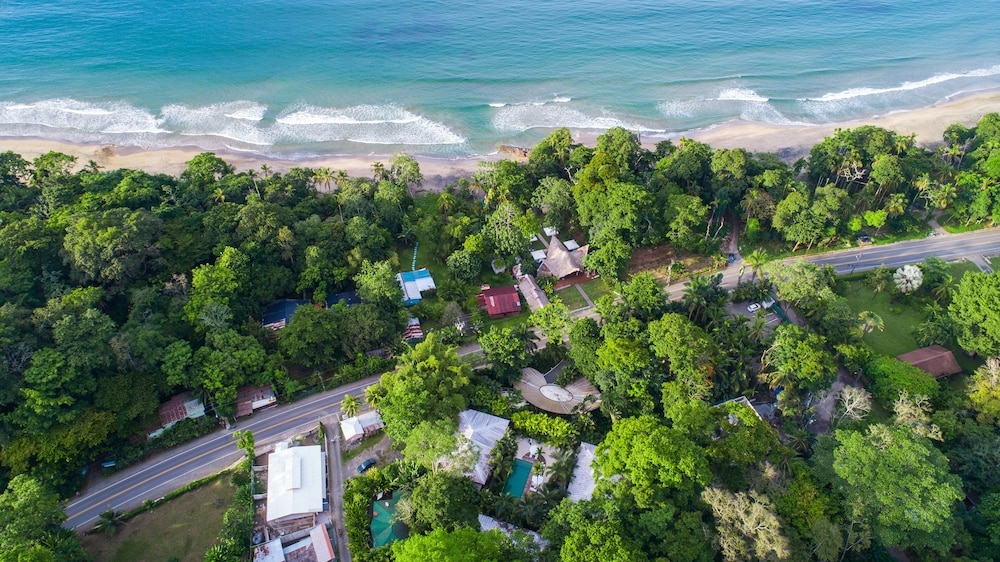
Puerto Viejo is the Caribbean side, and it is culturally a different country from the rest of Costa Rica. Afro-Caribbean cooking, reggae and English Creole alongside Spanish, with Bribri villages inland where a visit takes in a shaman, the cacao process and a jungle plant walk. The coast road south is the destination itself: thirteen kilometres through Cocles, Playa Chiquita and Punta Uva to Manzanillo, done on a bicycle in half a day. Cahuita National Park holds the country's largest coral reef.
Puerto Viejo holds travellers longer than almost anywhere else in Costa Rica, and half of them leave the country from it. A third of the stays here run four nights or more, and only half of these trips stay inside Costa Rica at all, the lowest share we measure, because the Panamanian border is thirty-five kilometres south. Its four strongest partners are the four hardest places in the country to reach.
Hire a bicycle for the coast road and stay 3 nights. Punta Uva has the calm water and the kayaks, Cocles has the surf, Playa Negra has black sand and a wrecked barge. September and October are a genuine dip in the rain on this coast at the moment the Pacific is at its worst, which is when this side is worth choosing. Skip Puerto Viejo if you wanted the Guanacaste resort package, because it is the opposite of that.
Plan Puerto Viejo in Stippl
Day-by-day planning, stays and budget in one app, with every place from this guide already on the map.
Download the appWho Puerto Viejo is for
Independents and backpackers
Puerto Viejo is the one Costa Rican destination with a hostel culture of its own, and it is on 8.0% of stops in the country.
Anyone crossing to Panama
Bocas del Toro is about four hours away, and this is the last Costa Rican stop before it.
Cyclists
The way to see this coast is on a bike, in the plain sense: flat, short distances, and a road along the sea.
Anyone after the other coast
The Caribbean coast is Afro-Caribbean and Bribri, and it looks, sounds and eats differently from the Pacific.
Surfers
Cocles is for the more experienced and Punta Uva for beginners, and both are a short ride from town.
Maybe not for you: anyone planning a one-night stop, since this is the longest typical stay in the country; and anyone building a Pacific-coast package, because people who come here tend to skip Guanacaste altogether.
The best time to visit Puerto Viejo
Driest months
February and March
The most sun and the lowest humidity of the year, and the sea at its clearest for snorkelling at Cahuita and Manzanillo. The Caribbean's dry season, which is not the Pacific's.
Value window
August and September
Lower prices, fewer people and beach weather that still works, with a real September dip in the rain. The right answer to a trip that can only travel in September.
Wet months
November to January and June to July
November is the wettest month and July the second; the rain comes in long tropical bursts and the sea goes brown for a day after each. Hot and humid throughout, as it is all year.
- January is the month most travellers plan Puerto Viejo for on Stippl, about 69 days ahead. That is the country's peak month rather than the coast's best one; the Caribbean's own good months are emptier.
- The Caribbean season is not the Pacific season, and this is the one place the national advice misleads. February and March are the driest, November the wettest, and a plan built on December to April gets the coast's wet fringe.
- Cahuita and Manzanillo need a calm sea, and the calm comes with the dry months. The reef snorkelling is best from February to April and again in September; after a wet-season storm the water is brown for a day.
- Puerto Viejo is hot and humid in every month. The temperature never changes and the sea sits at bath warmth; the only variable is rain, and the rain here comes in bursts rather than in afternoons.
Add your Puerto Viejo dates and we'll flag the weather
Stippl shows the season, crowds and prices for every stop on your route.
Describe your trip, get a Puerto Viejo itinerary in seconds
Everything in this guide is already in Stippl. Tell the planner how long you have and what you like: it builds the route, the days and the travel times, and you edit whatever you want.
Things to do in Puerto Viejo
Cycling the coast road to Manzanillo
Ride the thirteen kilometres each way past Playa Cocles, Playa Chiquita, Punta Uva and Playa Grande, on a bike for about €8 a day. Half a day at speed, a full day if you swim at each.
The Jaguar Rescue Center
Take the morning tour of the rescue and rehabilitation centre run by two vets, with sloths, monkeys and the ocelot the name came from, about €25. Tours at nine and half past eleven; no jaguars.
Cahuita National Park
Walk the easy eight-kilometre coastal trail past sloths, howler monkeys and coatis to Costa Rica's largest coral reef, by donation, and snorkel the reef with a guide for about €35. Twenty minutes north by bus.
A Bribri village
Spend a day in the indigenous community inland: the cacao process from pod to drink, a jungle plant walk, a traditional lunch and the waterfall, about €60 with the transfer. The highlight of the coast for most who do it.
Beach-hopping the south coast
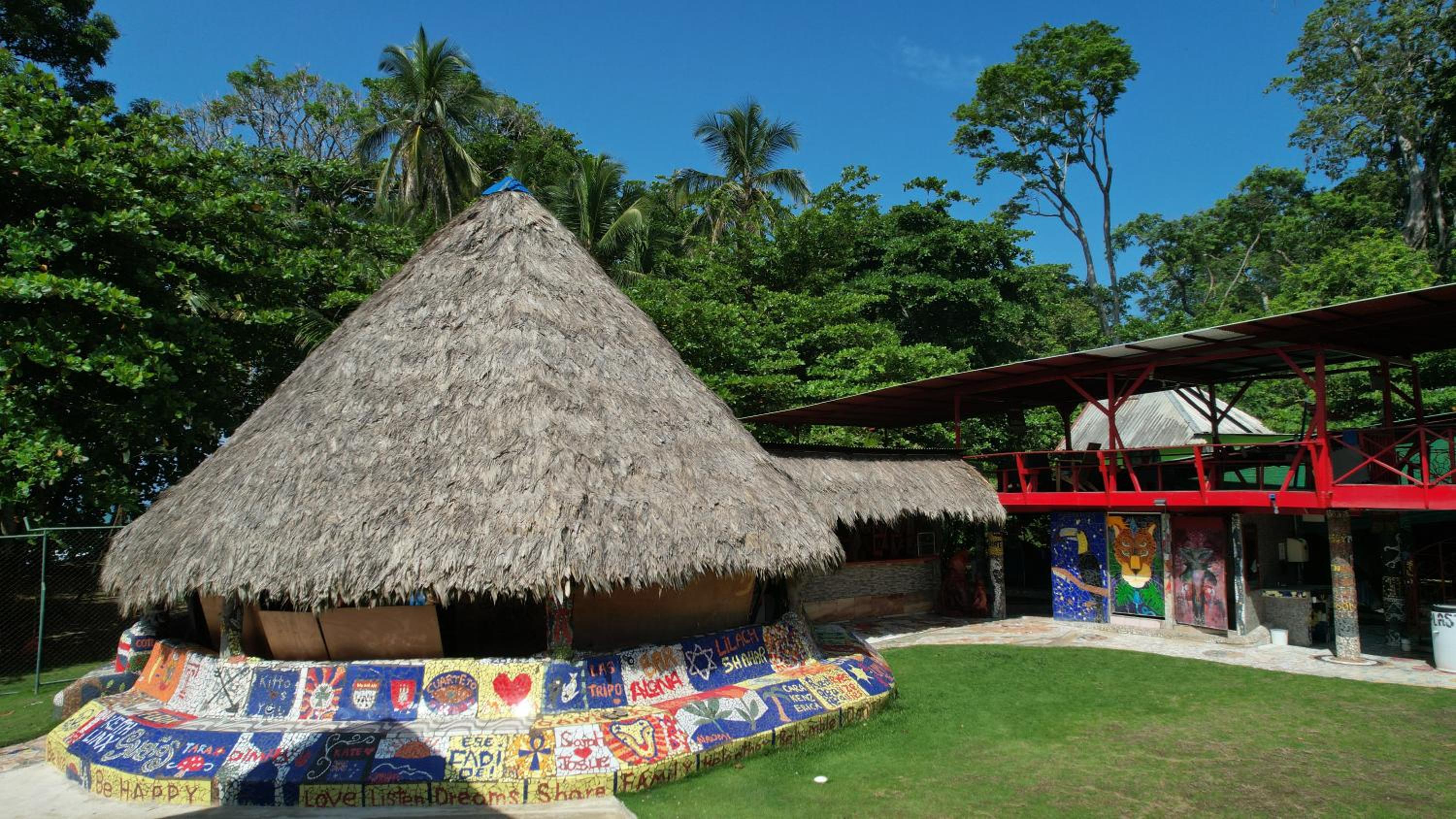
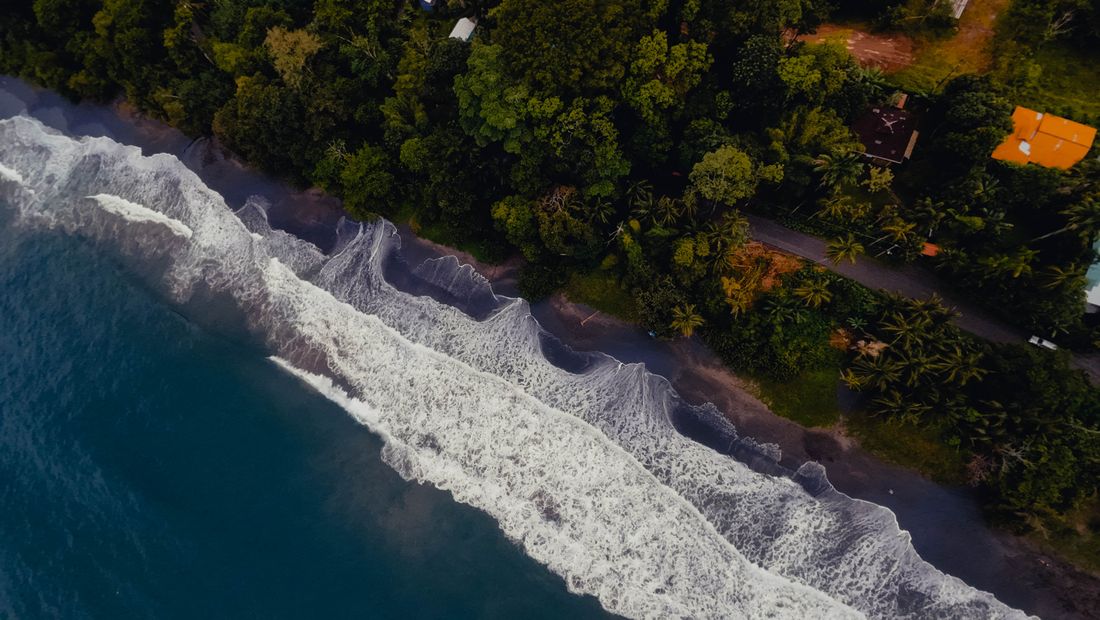
Pick by mood: Punta Uva for calm water and kayaks, Playa Chiquita for small empty bays, Playa Cocles for surf, Playa Negra for black sand and the wrecked barge. All free, all on the bike road.
Surfing at Cocles
Take a lesson on the beach break at Cocles, about €40 for two hours, or paddle up the river at Punta Uva on a board. Mornings, and the lifeguards fly the flags for the rips.
The neighbourhoods of Puerto Viejo
Puerto Viejo town
Hostels, bars, bike rental
The centre: hostels, bars, bike rental, the bus stop and the beachfront shacks, where the nightlife is and where the noise is. For budget travellers and nightlife.
Everything on foot and the evening, and the music until late.
Playa Cocles
First surf beach, quiet enough
Two kilometres south, the first stretch of the coast road: a surf beach, guesthouses and restaurants, quiet enough to sleep and close enough to cycle in. For surfers and couples.
The surf and the sleep, and a bicycle with a light for town.
Playa Chiquita and Punta Uva
Jungle lodges, calm bays
Five to seven kilometres south: jungle lodges set back from a series of small bays and the calmest water on this coast. For couples and families who want to swim.
The calmest water and the jungle, and a ride for every meal.
Manzanillo
End of the road, fishing village
Thirteen kilometres south at the end of the road: a fishing village inside a wildlife refuge with a few cabinas, restaurants and nothing else. For quiet stays and for the refuge trail at dawn.
The refuge and the silence, and a long ride to anything.
See every Puerto Viejo neighbourhood on one map
Save the areas you like and Stippl plots your days so you're not crossing the city twice.
Where to stay in Puerto Viejo
Stay in Playa Cocles for a first visit: two kilometres south of town, quiet enough to sleep and close enough to cycle in for the nightlife; the town itself has the hostels and the noise. Most people give Puerto Viejo 3 nights on Stippl, and more stay five or longer than anywhere else in the country. Rent a bike on the first morning.
Puerto Viejo town
The strongest hostel scene outside San Jose, dorms €12 to €22, and cabinas €40 to €80.
Playa Cocles
Guesthouses and surf lodges behind the beach, €50 to €120, a bike ride from town.
Playa Chiquita and Punta Uva
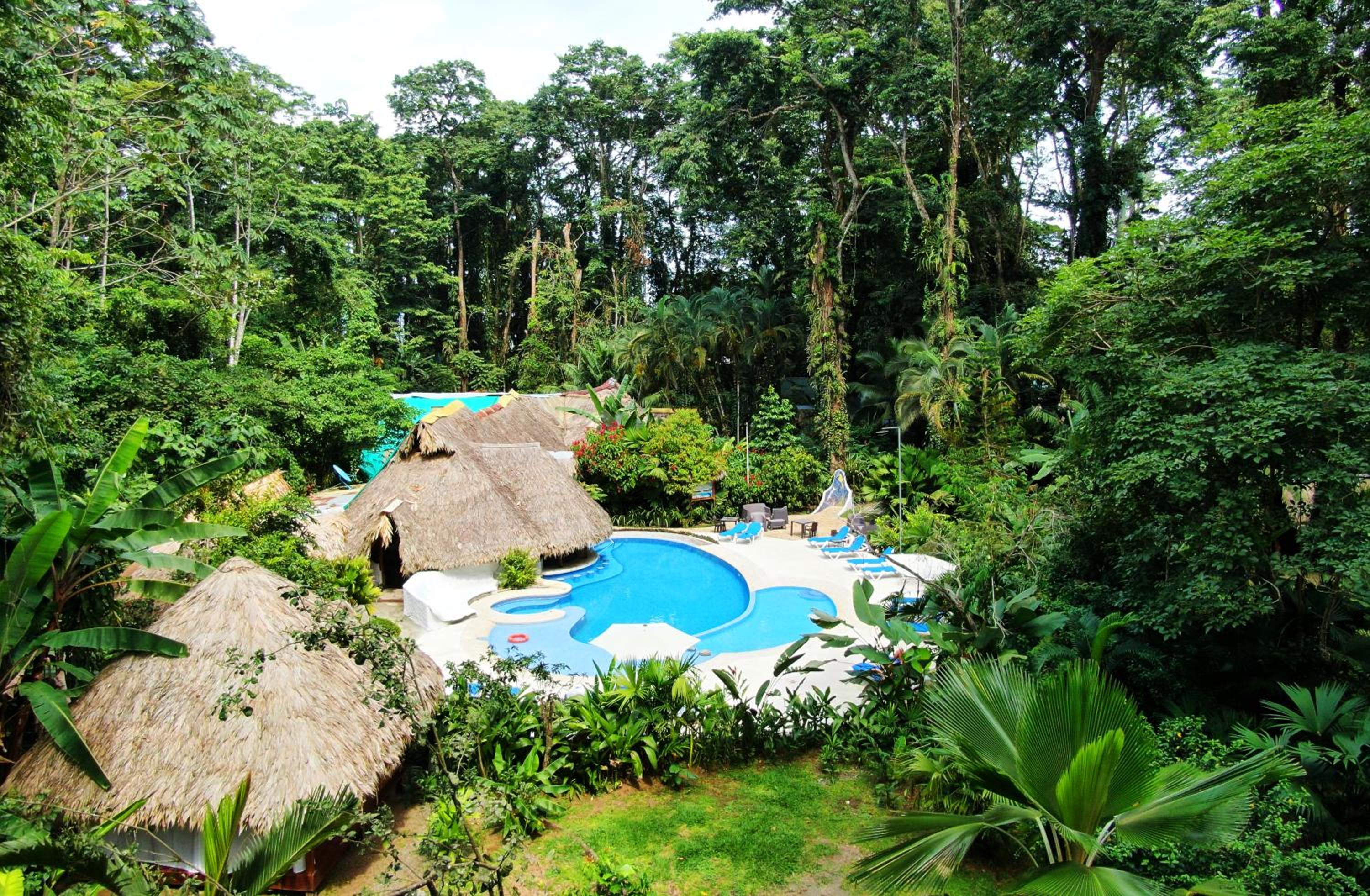
Jungle lodges and boutique hotels set back from the bays, €90 to €250, with the calmest water.
Manzanillo
A few cabinas and small lodges inside the refuge, €40 to €100, and nothing else.


What to eat in Puerto Viejo
Afro-Caribbean seafood and root-vegetable stew in coconut milk
The Caribbean-side staple, distinct from the rest of Costa Rica
Jerk-spiced meat and fish, part of the Afro-Caribbean repertoire
Brunch, baked goods and juices
Coffee and pastries
Sandwiches near the beach
Breakfast baked goods
Discover food spots in Stippl
Find restaurants and markets on the map, save them to your itinerary, works offline too.
Puerto Viejo customs and what not to do
Afro-Caribbean Costa Rica
A history, a cuisine and an English creole distinct from the Central Valley, and it is the point of coming; the coconut rice and beans and the calypso are the town's own.
The Bribri are from here
Visits to the villages in the Talamanca hills are organised through the communities themselves; the cacao tour and the storytelling are theirs, and the carved gourds in town are their craft.
Never touch a road sloth
Stop the traffic or offer a branch; human contact can kill them, and the Jaguar Rescue Center takes the calls. The same goes for a baby monkey on the ground.
Buy crafts from the source
The gourds, the chocolate and the woven bags are made in the Bribri villages; buy there or from the cooperative shops, not from the beach vendors reselling them.
Do
- Book a Bribri village visit through the community
- Eat rice and beans at a Caribbean kitchen, not a café
- Call the Jaguar Rescue Center if you find an animal on the road
- Rent a bicycle and ride with a light
Don't
- Touch a sloth or a monkey on the road
- Buy a Bribri craft from a beach vendor
- Walk a dark beach at night
- Drink the tap water
What a Puerto Viejo trip costs
Budget
€47–75
Dorm bed or basic cabina, sodas for most meals, a bicycle rather than a car, one paid activity every other day, free beaches.
Mid-range
€105–170
Mid-range hotel or jungle lodge double, a bicycle or a shared car, a paid tour most days and restaurant dinners.
High-end
€300+
Boutique property such as Le Caméléon, private guides, private transfers and the higher-end tour operators.
Track what you actually spend
Set a daily budget per country and log expenses in any currency while you travel.
Fun facts about Puerto Viejo
The Jaguar Rescue Center has never held a jaguar. It is named for an ocelot a neighbour brought to two European vets believing it was a jaguar cub.
Power lines are the leading cause of wildlife injury on this coast. Sloths and monkeys are electrocuted crossing them, which is why the rescue centre runs a project insulating the lines.
Cahuita protects Costa Rica's largest coral reef. One of the park's two entrances runs entirely on voluntary donations, the only national park in the country that does.
The road simply stops at Manzanillo. Past the village is the Gandoca-Manzanillo wildlife refuge and then Panama, with no road through.
Puerto Viejo holds travellers longer than almost anywhere in Costa Rica. On Stippl it has the fattest tail of stays in the country, with more than one in ten staying five nights or more.
There are three places in Costa Rica called Puerto Viejo. This one is de Talamanca; de Sarapiquí is in the north-east, and buses often display only the shared name.
Local tips for Puerto Viejo
Rent a bicycle
It is how everyone gets around, about €8 a day, and the coast road is newly surfaced with a fifty-kilometre limit. A fifteen-minute tuk-tuk ride costs what a bike costs for a day.
Ride with a light after dark
There are no cycle lanes, no street lighting and potholes on the coast road. A head torch and a rear light, or take the tuk-tuk home.
Check which Puerto Viejo
There are three Puerto Viejos in the country and the bus signs show only the name. A rental car cannot cross into Panama; drop it before the border and pick up another.
How long to stay
Most people give Puerto Viejo 3 nights on Stippl: a beach-hopping day on the bike, Cahuita or the Bribri village, and a rest day. Tortuguero is the usual next stop, by bus and boat.
Not alone after dark
Do not walk alone at night and never walk a dark beach; petty crime is a real problem in a town that is otherwise easy-going. The bike home with a light, or the tuk-tuk.
Do not drink the tap water
It comes from local wells and is not recommended, an exception in a country where it usually is. Reef snorkelling at Cahuita is guided-only, to protect the coral.
Puerto Viejo questions, answered
As its own leg, ideally in the months when the Pacific is wet. Puerto Viejo carries 8.0% of everything planned in Costa Rica on Stippl, and it sits four to five hours from San Jose in the opposite direction to everything else. Give it three nights in Stippl or leave it out.
Three nights. Across the Puerto Viejo stops planned on Stippl the usual is 3 nights, which gets you the coast road by bicycle, a day at Cahuita and an evening in town. Four to six to use the beaches properly, a week if you mean to settle.
Only about half the time. 49.6% of the trips that include Puerto Viejo stay inside Costa Rica on Stippl, one of the lower shares in the country, because Bocas del Toro in Panama is roughly four hours down the coast and plenty of people keep going.
The one on the Caribbean is Puerto Viejo de Talamanca. Puerto Viejo de Sarapiqui is a different town altogether, inland in the north-east, and booking sites confuse the two regularly. Check the full name before you reserve anything, because they are about five hours apart by road.
No, and a bicycle is better. The coast road south to Punta Uva and Manzanillo is flat, shaded and lined with the beaches you came for, and every hostel and hotel rents bikes. Buses handle the arrival from San Jose and the short run north to Cahuita.
By day, yes, on the beaches and along the coast road. At night the advice is consistent: not alone, and not on the beach, where opportunistic theft is the recurring story. Leave nothing at all in a parked car anywhere on this coast, which is the most repeated warning in the country.
Every guide is written by the Stippl editors and checked against the trips our travellers actually plan. Spotted something out of date? Let us know.
Plan Puerto Viejo in Stippl
Day-by-day planning, stays and budget in one app, with every place from this guide already on the map.
Download the app