
Plan France in Stippl
Day-by-day planning, stays and budget in one app, with every place from this guide already on the map.
Download the appThe short answer
The ten best things to do in Nice and Cannes are walking the Promenade des Anglais, climbing Le Suquet in Cannes, taking the view from Colline du Château, shopping the Marché Forville, getting lost in Vieux Nice, spending a morning on the beaches, seeing the Palais des Festivals, visiting the Marc Chagall museum, sailing out to the Îles de Lérins, and eating your way through Niçoise cooking.
Six of those are in Nice and four are in Cannes, and you do not have to choose. The two towns are a little over half an hour apart on the coastal train, at a fixed fare, with no reservation needed. Doing both in one trip is the normal shape of it rather than an ambitious one: for travellers who plan this coast with Stippl, Nice is a trip's only stop just 3.6 per cent of the time.
1. Stroll the Promenade des Anglais (Nice)
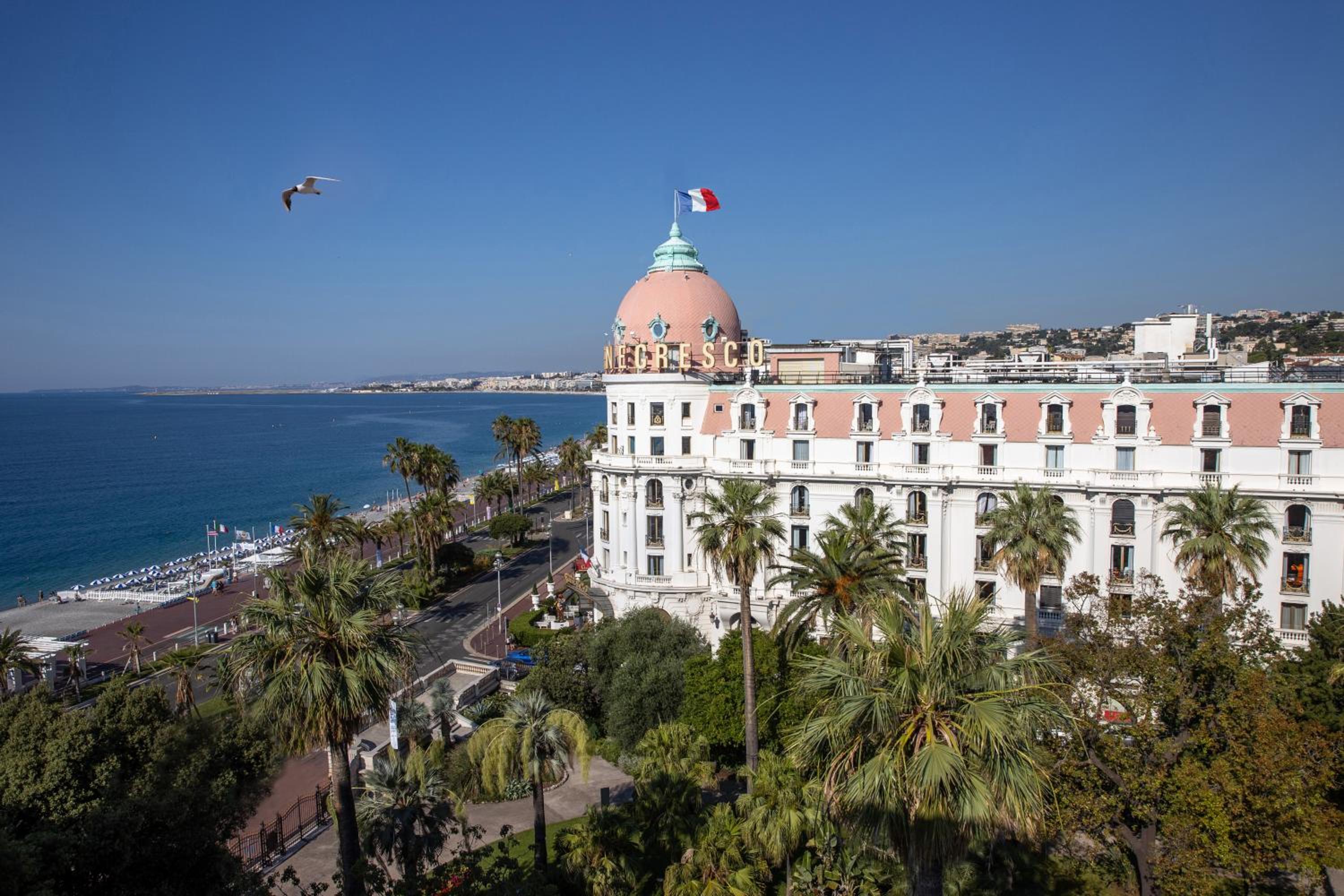
The Promenade des Anglais is the lifeblood of Nice, a palm-lined boulevard stretching about seven kilometres along the Baie des Anges. Once a winter resort for British aristocrats, today it's where locals jog, families cycle, tourists snap photos, and everyone pauses to admire the sea. The name is literal: the first path was paid for by English winter visitors in the 1820s.
You'll pass grand hotels, beach clubs, art installations, and the classic blue chairs perfect for a break with a view. Nice was inscribed on the UNESCO World Heritage list in 2021 for exactly this: the belle-époque winter-resort townscape the British and Russian colonies built here.
Why it's one of the best things to do in Nice and Cannes: it's free, it's iconic, and it gives you a real sense of the city's rhythm.
One practical note: the Promenade is a working street rather than a resort boardwalk. The cycle lane is separate from the walkway and cyclists use it at speed, so keep to your side. Early morning is the best time for a peaceful walk, and sunset near the Jardin Albert 1er is the golden-hour spot.
2. Explore Le Suquet, the old town of Cannes
Cannes isn't all yachts and red carpets. Step into Le Suquet, its oldest quarter, and you'll find cobbled lanes, pastel-coloured houses, and sweeping views over the harbour. This hilltop neighbourhood was the original fishing village long before Cannes became a jet-set destination.
Wander up Rue Saint-Antoine, a charming lane lined with restaurants serving Provençal cooking. At the top sits the Eglise Notre-Dame d'Espérance, a 17th-century church, and the Musée de la Castre, with art, artefacts and panoramic views over the Bay of Cannes.
Why it's one of the best things to do in Nice and Cannes: it's a quiet, lived-in contrast to the Croisette, and it's the oldest thing in town.
Insider tip: go just before dusk and stay for the views as the lights come on below.
3. Discover Colline du Château (Castle Hill) in Nice

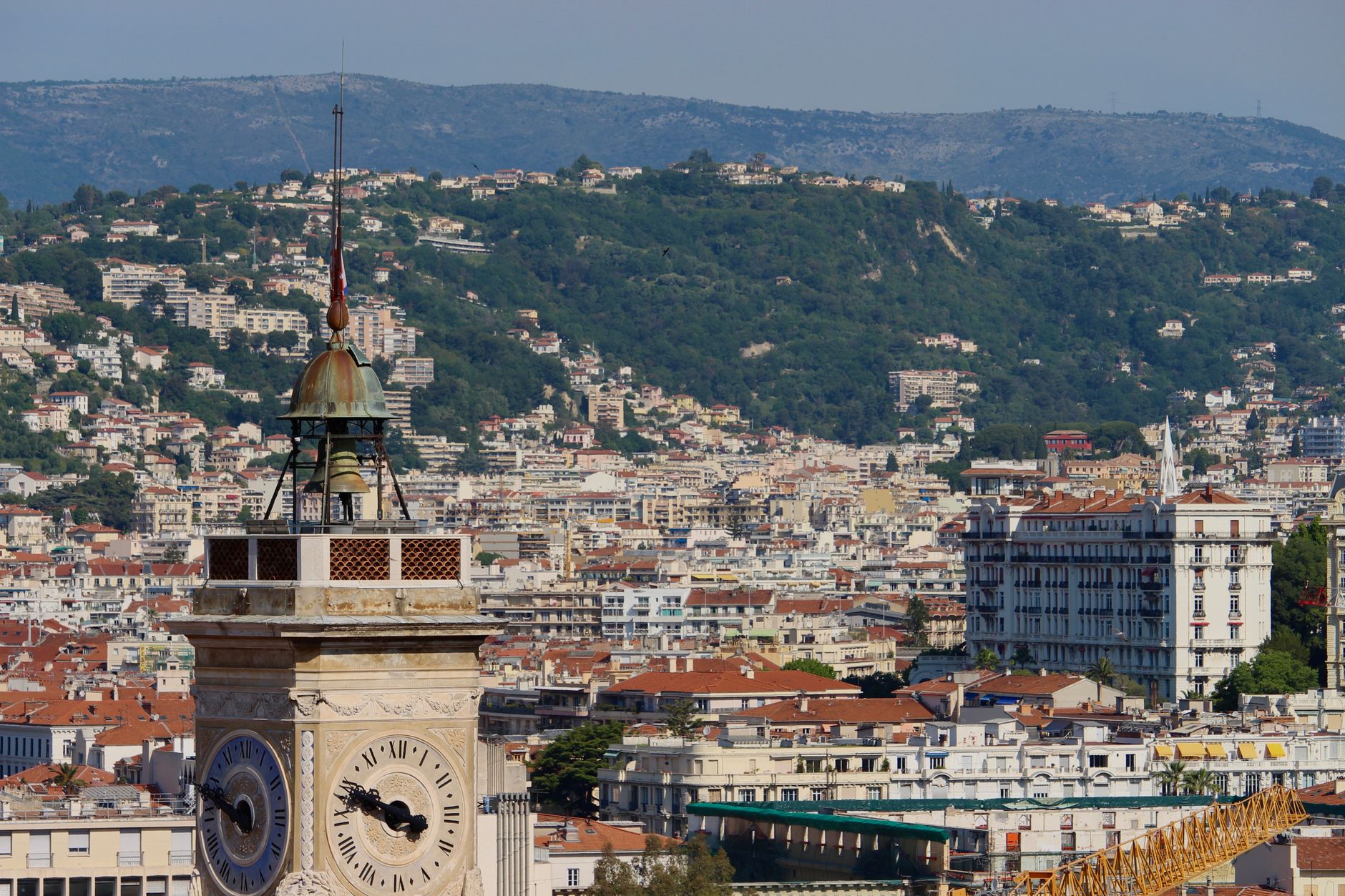
The castle itself was destroyed in the 18th century, so do not go looking for one. What remains is gardens, ruins and the best view of the Baie des Anges in the city, and it costs nothing at all. It's also a genuine escape from the noise below.
Why it's one of the best things to do in Nice and Cannes: the best view in Nice, for nothing, ten minutes from the old town.
Insider tip: a lift runs up from the eastern end of the Promenade and saves you the climb entirely. Bring water: there are fountains but very little else at the top.
Save Colline du Château to your trip
4. Visit the Marché Forville (Cannes)
If you want to see real, local Cannes, skip the Croisette and head to the Marché Forville behind Le Suquet. This covered market runs from just-caught fish and artisan cheeses to seasonal fruit and homemade tapenade. Chefs buy their produce here, locals chat over coffee, and it is the most sensory hour you'll spend in the town.
Why it's one of the best things to do in Nice and Cannes: it's the one place in Cannes that is unambiguously for the people who live there.
Insider tip: go on a weekday morning for fewer crowds. Buy a baguette, some cheese and figs and make your own Riviera picnic.
5. Wander through Vieux Nice (Old Town)
Vieux Nice is where the city comes alive in colour, sound and flavour. A maze of winding alleys, ochre-hued buildings, hidden squares and busy markets, it's the most atmospheric part of the city, and everything in it is walkable.
You'll find the baroque Cathédrale Sainte-Réparate, small boutiques, wine bars, and the famous Cours Saleya market. Go early to explore before the shops open, then come back in the evening when the whole quarter turns into an open-air social hub.
Why it's one of the best things to do in Nice and Cannes: it's the historic and cultural heart of Nice, and it's where you'll eat best.
Editor's tip: Cours Saleya is a produce and flower market Tuesday to Sunday, and an antiques market on Monday. Almost everyone plans the food market for their first morning, and a good number of those mornings are Mondays. Check the day before you build a morning around it.
6. Relax on the beaches (Nice and Cannes)

This is the item most first-timers get wrong, so here it is plainly. Nice's beaches are pebble, not sand. All of them, along the whole seven kilometres. The water is clearer for it, which is the compensation, but entering barefoot is genuinely difficult and it is the commonest small injury here. The city's own advice is to bring water shoes, and it is good advice.
Cannes is the softer option: its central beaches are sand rather than pebble, which is why families tend to prefer them for a full day.
In Nice, the public beaches are free and the pebble is precisely why the loungers sell. A day on a private beach club runs €25-40 for a lounger, more for the front row, and it is the single largest discretionary cost in the city.
Why it's one of the best things to do in Nice and Cannes: no trip to the Côte d'Azur is complete without at least one long, slow beach afternoon.
Insider tip: in warm, still spells jellyfish arrive and the beach posts fly a purple flag. Look for it before you commit to a swim.
7. See the Palais des Festivals et des Congrès (Cannes)
Walking the red carpet steps of the Palais des Festivals is a bucket-list moment for film buffs, touristy or not. This is the centre of the Cannes Film Festival every May, and the building is the reason the town's name means what it means.
Why it's one of the best things to do in Nice and Cannes: you can stand where the industry stands, without an invitation.
Insider tip: what is on and what is open changes constantly, so check the Palais's own event calendar for the dates you'll be there rather than turning up and hoping. In a quiet month you may catch a free public exhibition.
Worth planning around: the festival runs in mid-May and it fills hotel stock along the entire coast, Nice included. If your dates land on it and you are not there for the films, move them.
8. Visit the Marc Chagall National Museum (Nice)
Up in the peaceful Cimiez district, the Marc Chagall museum was curated by the artist himself, and it houses his monumental biblical works alongside stained glass and mosaics. The gardens around it are a lovely place to sit, and Cimiez is a Roman suburb with an olive grove, an arena and the Matisse museum ten minutes away.
Why it's one of the best things to do in Nice and Cannes: two major artists chose to work in this one hillside district, and you can do both in an afternoon.
Insider tip: most museums in Nice close on Tuesdays. Build your museum day around that and not around a Sunday.
9. Take a day trip to the Îles de Lérins (from Cannes)
Boats run out to the Lérins islands from Cannes, and they are a different world from the red carpets. Île Sainte-Marguerite, the larger of the two, is covered in pine forest and ringed with rocky inlets you can swim from. It's also home to the Fort Royal, where the man in the iron mask was imprisoned.
Île Saint-Honorat is smaller, quieter, and still home to an active monastery run by Cistercian monks who make wine and liqueur.
Why it's one of the best things to do in Nice and Cannes: it's a genuine nature and history escape, fifteen minutes offshore from one of the most built-up coasts in Europe.
Insider tip: pack food and water for Sainte-Marguerite, where the options are thin, and take a swimsuit for the coves.
10. Eat Niçoise, not just French

The cooking here surprises people, and here is why: Nice's food is Ligurian, not Provençal. The city was Nizza until 1860, and the border moved rather than the kitchen. Chickpea flour, anchovy, olive oil and ravioli all come from the Italian side of that line.
What to order:
- Socca, a wood-fired chickpea pancake, crisp at the edge and soft in the middle. It costs €3-5 a portion, it is sold around the Cours Saleya and the old town, and it must be eaten hot from the pan. Reheated socca is the tourist version.
- Salade niçoise, which is simpler than the version you know: raw vegetables, anchovy or tuna, egg and olives. No cooked green beans and no potato in the strict version.
- Pissaladière, a flatbread of slow-cooked onions, anchovy and black olive. No tomato and no cheese.
- Pan bagnat, a round loaf soaked in olive oil and filled with the salade niçoise ingredients, which is the beach lunch.
- Tourte de blettes, a sweet chard tart with pine nuts and raisins, and the local dessert nobody expects.
Pair it with rosé, or with a white from Bellet, a tiny appellation inside the Nice city boundary.
Where to eat rather than what: the quayside at Port Lympia eats better and cheaper than the Promenade does, and a lunch menu across the city runs €18-25.
Discover food spots in Stippl
Find restaurants and markets on the map, save them to your itinerary, works offline too.
Nice to Cannes: how to do both
This is the question most people actually arrive with, so here is the answer in full.
Nice and Cannes sit on the same coastal railway, and the journey takes a little over half an hour, with trains roughly every thirty minutes. It's a TER, which is the regional network: fares are fixed, no reservation is needed, and you turn up and get on. Antibes is on the same line halfway between them, at about twenty minutes from Nice, so you can stack all three into one day if you start early.
That means you do not need two hotels. Basing yourself in Nice and taking the train to Cannes is what most people should do, and it's what the city is built for: everything travellers come to this coast for, Cannes included, is somewhere else and reached from here.
| From | To | Best option | Time |
|---|---|---|---|
| Nice | Cannes | Coastal TER, every 30 min | a little over 30 min |
| Nice | Antibes | TER, continues to Cannes | about 20 min |
| Nice | Villefranche-sur-Mer | TER, or bus 15 | about 7 min |
| Nice | Monaco | TER, every 20-30 min | about 20 min |
Within Nice itself, a single tram or bus ticket is €1.70 and covers unlimited transfers in the same direction for 74 minutes. The rechargeable card costs €2, and buying from the driver adds €0.40. The airport is the exception and needs its own €10 round-trip ticket, worth checking against two singles before you buy.
If you want the two towns built into a longer route with Marseille on the end of it, that is what our French Riviera itinerary is for.
Where to stay in Nice
Four areas, depending on what you're after.
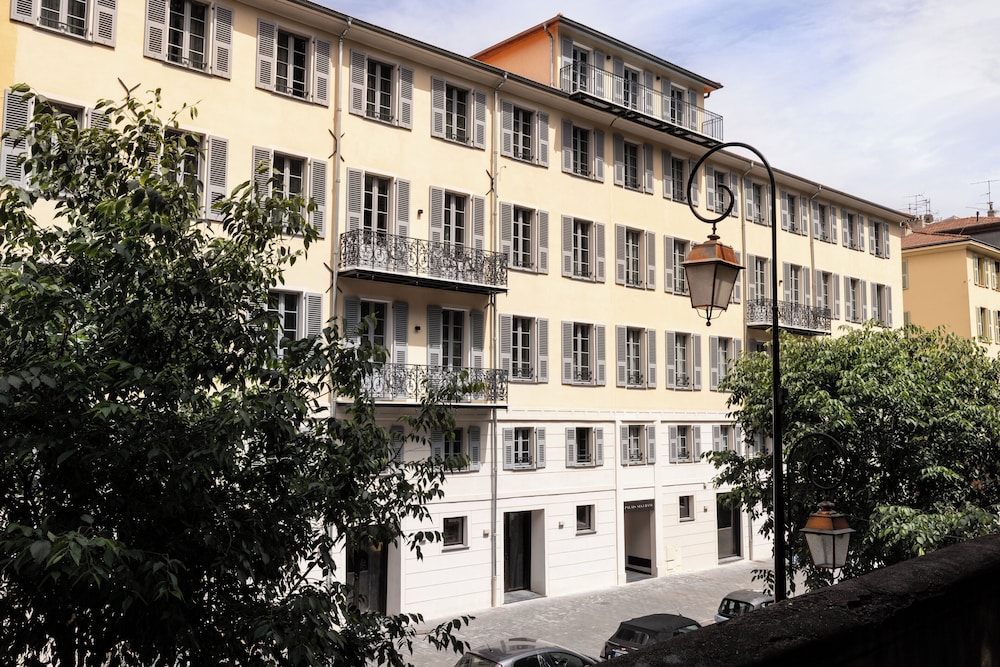
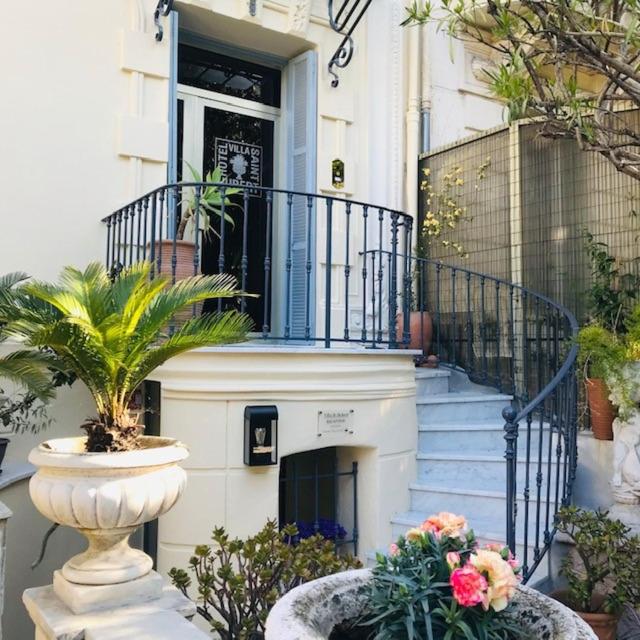
Vieux Nice is the default for a first visit. Everything is walkable from it and the food is at the door. Carré d'Or, the 19th-century grid behind the Promenade, gives you the shops, Place Masséna and the tram at your door. Le Port is the quiet upgrade: boutique hotels, easier parking, and quayside restaurants that price like a neighbourhood rather than like a promenade. Gambetta, running from the station down to the sea, is where central and affordable overlap. If you're travelling with children or here for the museums, Cimiez is residential and ten minutes uphill by tram.
One area to avoid: the Promenade west of Magnan. Past there the seafront turns into apartment blocks and the walk into town stops being a walk, and it is only worth it if you have a very early flight.
On price, a hostel dorm runs €30-55 and a three-star double €110-200, checked in August 2026. Book June to August months ahead: three in five of the Nice arrivals we see start in June, July or August, which is the tightest season of any French destination we hold. Nice also has a real hostel layer, which Cannes and Antibes do not.


Turn these stops into a route
Pick your favourites and Stippl orders them, adds travel times and builds the day-by-day.
Frequently asked questions about France
A little over half an hour on the coastal TER, with trains roughly every thirty minutes. Fares are fixed on the regional network and no reservation is needed, so you can decide on the morning. Antibes sits halfway between the two at about twenty minutes from Nice.
Yes, comfortably, and you can add Antibes if you start early. Base yourself in Nice, take a morning train, spend the day between Le Suquet and the Marché Forville, and be back for dinner. Two separate hotels are not worth the check-ins over that distance.
Nice, for most people. It is larger, it has a wider range of places to sleep including genuine budget options, it has the airport, and every town on this coast is a short train ride from it. Cannes is the better base only if the festival or the islands are the reason you came.
Three or four. Two nights covers Nice itself, and the third and fourth are what let you add Cannes, Antibes or Monaco without rushing. Most stays we see are shorter than that, and the day trips are exactly what people run out of time for.
May, June and September. May is the strongest month on everything except sea temperature, June gives you a warm sea before the August peak, and September gives you the warm sea with thinner crowds. Avoid mid-May unless you want the film festival, which fills hotel rooms along the whole coast.
Planning the Riviera properly? Put Nice, Cannes and everything between them into a Stippl trip, let it order the stops and work out the travel times, and share the whole thing with whoever is coming with you. If the rest of the country is on the list too, start wider with France.
Read more: things to do in Nice