


Plan Japan in Stippl
Day-by-day planning, stays and budget in one app, with every place from this guide already on the map.
Download the app1. Purchase a Japan Rail (JR) Pass in Advance
The Japan Rail Pass is a money-saving pass for long-distance travel on Japan's JR trains, including most bullet trains. It's available for 7, 14, or 21 days but must be bought before arriving in Japan. This pass can save you a lot, especially if you're planning to visit multiple cities.
2. Get an IC Card (Suica or Pasmo)
These prepaid cards work on buses, trains, subways, and even some vending machines. You can buy one at major stations or airports and reload it as needed, making it a convenient way to pay for public transportation.
3. Learn Basic Japanese Phrases
While English is common in major cities, a few Japanese phrases can go a long way. Try "Arigato" (thank you), "Sumimasen" (excuse me), and "Konnichiwa" (hello). Locals appreciate the effort, even if it's just a simple greeting.
4. Download Helpful Apps
Apps like Google Maps, HyperDia (for train schedules), and Google Translate can be invaluable tools. Google Maps works well for navigating Japan's complex transport system, and translation apps can help with reading signs or menus.

5. Bring Cash
Japan is still a cash-centric country, so it's wise to carry yen, especially for smaller shops, rural areas, and temples. ATMs at 7-Eleven stores and Japan Post offices accept most foreign cards.
6. Respect Onsen (Hot Spring) Etiquette
If you plan to visit an onsen, remember that they have specific rules. Bathe thoroughly before entering, and remember that most onsens require you to be completely nude. Tattoos may be prohibited, so check the rules or consider booking a tattoo-friendly onsen.
7. Pack Layers for Spring and Fall
Japan's weather can vary significantly by region and season. If you're visiting in spring or fall, pack layers to stay comfortable in changing temperatures, especially if you'll be traveling to different parts of the country.
8. Use Public Transportation Over Taxis
Public transportation in Japan is clean, efficient, and cheaper than taxis. Trains and buses can take you nearly everywhere you need to go, and stations are often close to major attractions.
9. Respect Train Etiquette
Trains in Japan are quiet spaces. Avoid talking on the phone, and keep conversations low. Be mindful of rush hour in cities like Tokyo, where trains can get very crowded.

10. Be Aware of Shoes-Off Policies
In many Japanese homes, temples, and some restaurants, you'll be asked to remove your shoes. Bring socks that you feel comfortable wearing in public, as bare feet are generally not acceptable.
11. Try the Vending Machines
Japan's vending machines are a convenient and fun way to try unique beverages and snacks. Many offer drinks you won't find elsewhere, and they're available on nearly every corner.
12. Visit 100-Yen Shops
100-yen shops like Daiso and Seria are great for affordable souvenirs, snacks, and even travel essentials. You'll be amazed by the quality and variety of items you can find for a small price.
13. Use the Luggage Delivery Service
Japan offers a convenient luggage delivery service called "Takkyubin" that can transfer your luggage between hotels or from the airport to your accommodation. It's a stress-free way to travel light, especially if you're exploring multiple cities.
14. Respect the Queue Culture
In Japan, people form orderly lines for everything—from trains to escalators. Respect the local etiquette and wait in line, even when boarding trains or buses.

15. Try Convenience Store Food
Japanese convenience stores like 7-Eleven, FamilyMart, and Lawson offer high-quality, fresh, and affordable meals. Bento boxes, sushi, and sandwiches are great options for quick and inexpensive meals.
16. Check for Free Wi-Fi Zones
Many areas, including train stations, hotels, and cafes, offer free Wi-Fi. If you need constant access to the internet, consider renting a pocket Wi-Fi device or buying an eSIM before your trip. You can plan your Japan itinerary using Stippl and also get your eSIM through the app. This way you can have everything you need in one place.
17. Understand Tipping Isn't Customary
In Japan, tipping isn't practiced and can even be seen as rude. Hospitality is built into the service, so don't feel pressured to leave a tip. Simply show appreciation with a thank you.
18. Prepare for Small Trash Bins
Trash bins are rare in public spaces, as Japan emphasizes taking your trash with you. Bring a small bag to carry your waste until you find a place to dispose of it properly.
19. Get an App for Cherry Blossom Forecasts
If you're traveling in spring, download a cherry blossom forecast app to keep track of bloom timings and locations. The season is short, so planning helps you catch the sakura at their best. A popular cherry blossom forecast app is Sakura Navi. This app provides real-time updates on cherry blossom bloom status across Japan, including bloom predictions, full bloom dates, and recommendations for the best viewing spots. Another good option is Weathernews Sakura, which offers detailed sakura forecasts and even live reports from different viewing locations in Japan.
20. Rent a Bike for City Exploration
Cities like Kyoto and Tokyo offer bike rentals, which are an excellent way to explore smaller neighborhoods and see attractions at a leisurely pace. Many bike rental spots are near major train stations.
21. Try the Free Walking Tours
In popular cities, free walking tours are often available and give you a fantastic introduction to Japanese culture, history, and major landmarks. These tours work on a tip basis, so budget accordingly.
22. Use Japan's Efficient Coin Lockers
Coin lockers are available at most train stations, offering secure storage if you want to explore luggage-free. This is especially handy if you're traveling by shinkansen (bullet train) with limited luggage space.
23. Look for Local Festivals
Japan has year-round festivals (matsuri) celebrating everything from seasonal changes to cultural traditions. These are generally free and provide an immersive look into Japanese life and customs.
24. Don't Walk While Eating
It's considered impolite to eat while walking in Japan. Instead, find a spot to sit or stand while enjoying your food, especially near convenience stores where you may see tables or eating areas.
25. Be Mindful at Temples and Shrines
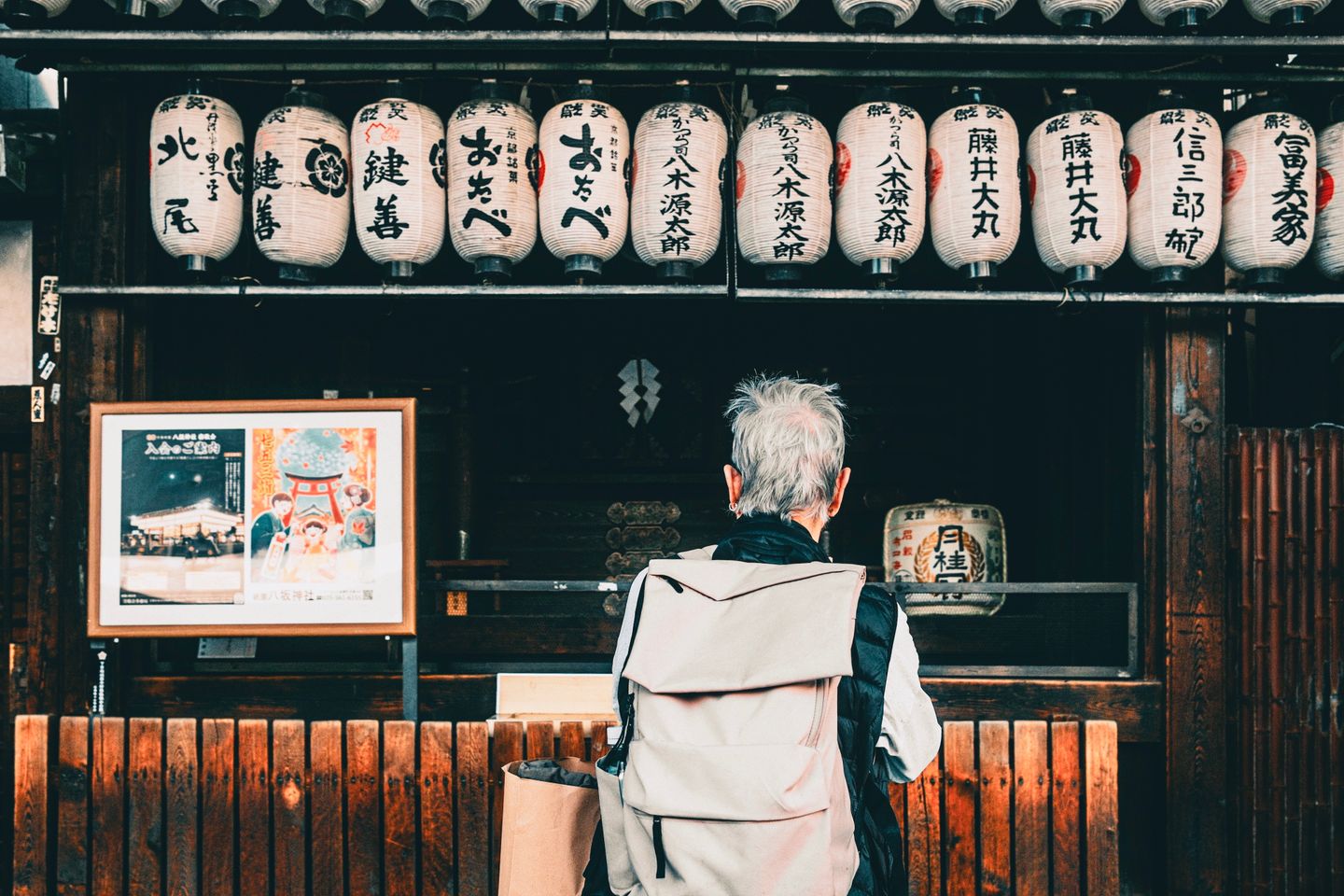
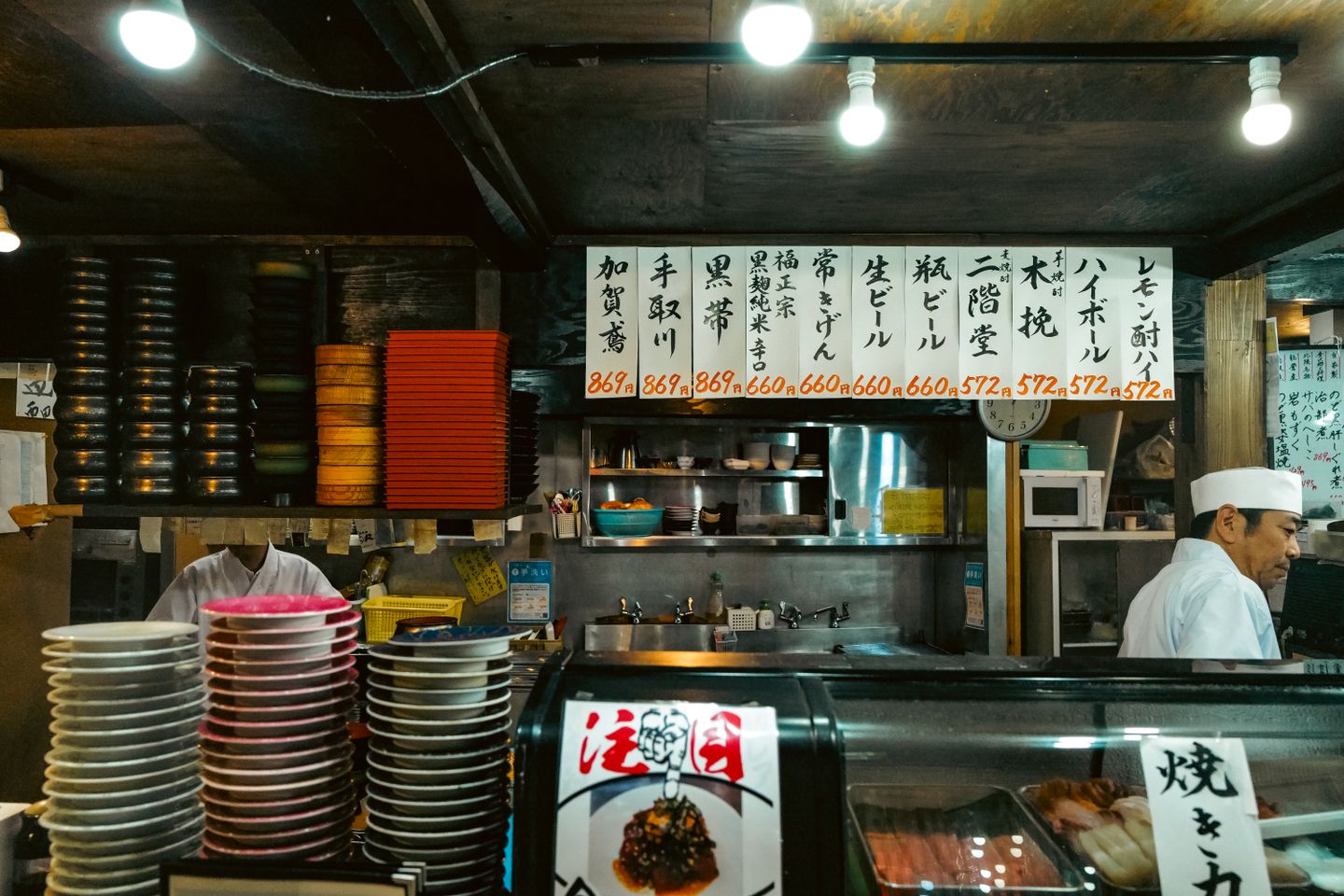
Many temples and shrines have strict etiquette. Refrain from talking loudly, bow before entering, and follow any guidelines provided. Respecting these practices enhances your experience and shows appreciation for local customs.
Happy travels
These Japan travel tips will help you make the most of your journey through this incredible country. Whether it's navigating public transportation, experiencing local culture, or simply packing the right essentials, these insights will prepare you to explore Japan like a seasoned traveler. Enjoy the beauty, charm, and hospitality of Japan to its fullest!