

Tamarindo
Tamarindo ist die am leichtesten erreichbare Strandstadt Costa Ricas und der Ort, wo die ganze nördliche Pazifikküste surfen lernt. Jährlich nisten etwa achthundert Lederschildkröten an dieser Küste.
Tamarindo auf einen Blick
Tamarindo: was dich erwartet
Die Zahlen hier basieren auf über 87.000 geplanten Stops in Costa Rica auf Stippl.
Tamarindo ist die am leichtesten erreichbare Strandstadt Costa Ricas und die Wellen sind Anfängerwellen. Neunzig Minuten vom Flughafen Guanacaste auf einer asphaltierten Straße entfernt, die Surfschulen nutzen den Stadtstrand, weil der Untergrund sandig und der Wellengang nachsichtig ist. Der Nationalpark Las Baulas Marine bedeckt die Bucht und schützt die größte Lederschildkröten-Brutstätte der Pazifikküste an der Playa Grande. Das Ästuar hinter der Stadt führt in Mangrovensümpfe mit zwei Affenarten, Watvögeln und Krokodilen, und die Playa Conchal nördlich von hier besteht aus zerbrochenen Muscheln.
Nirgendwo in Costa Rica halten sich Reisende länger auf als in Tamarindo, und hier teilt sich das Land in zwei. Aufenthalte hier dauern oft drei Nächte oder länger als an jedem anderen von uns gemessenen Ort. Von Tamarindo aus liegen Uvita und Tortuguero beide unter dem, was die reine Aufenthaltsauer vorhersagen würde, genau wie Tamarindo von ihrer Seite aus: Costa Rica wird als zwei Reisen geplant und Reisende wählen eine Küste.
Nimm hier den Surfkurs statt bessere Wellen zu jagen und bleibe 3 Nächte. Die Playa Avellanas und Playa Grande sind eine halbe Stunde entfernt, wenn du sie möchtest, und die Catalinas Islands sind dreißig Minuten die Küste hinauf für Rochen. Die Lederschildkröten-Brutsaison läuft von Oktober bis Februar mit einem zertifizierten Guide, und Sichtungen sind wirklich unzuverlässig. Überspringe Tamarindo, wenn du wegen des Regenwaldes kommst, da dies trockener Laubwald und Mangrove ist.
Plane Tamarindo in Stippl
Tagesplanung, Unterkünfte und Budget in einer App, mit jedem Ort aus diesem Reiseführer bereits auf der Karte.
App herunterladenFür wen sich Tamarindo eignet
Anfänger, die es einfach mögen
Ein internationaler Flughafen neunzig Minuten entfernt, eine Asphaltstraße bis dorthin und eine Stadt, die Englisch spricht.
Anfänger-Surfer
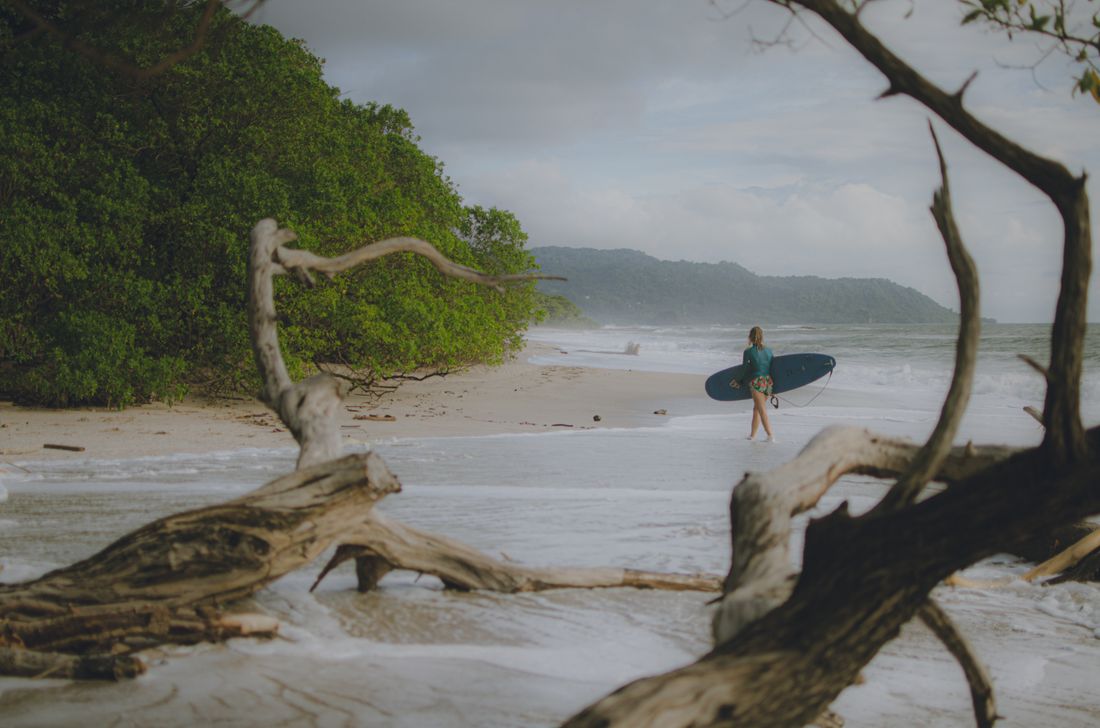
Tamarindo ist der Unterrichtsstrand für die ganze nördliche Pazifikküste mit Schulen im Sand und einer Welle, die verzeiht.
Menschen, die einen Abend ausgehen möchten
Tamarindo hat das Nachtleben, das der Rest der costa-ricanischen Küste nicht hat, und die meisten Menschen geben ihm 3 Nächte.
Familien und ältere Reisende
Trotz des Partyrufes ist der Strand ruhig und die Stadt leicht zugänglich, und viele Familien haben hier ihren Basislager.
Vielleicht nichts für dich: jeden, der die besten Wellen sucht, da diese eine halbe Stunde entfernt sind; jeden, der einen Regenwald mit Wildnis erwartet, da dies trockener Laubwald und ein Mangrovenästuar ist; und jeden, der es mit dem Süden oder der Karibik kombiniert, da Menschen normalerweise eine Küste wählen.
Die beste Zeit, um Tamarindo zu besuchen
Trockenzeit
Dezember bis April
Trockenste Jahreszeit in Costa Rica: heiß, wolkenlos und die Schildkrötensaison, mit Lederschildkröten-Nistplätzen in Las Baulas bis Februar. Die geschäftigsten und teuersten Monate des Ortes.
Grüne Jahreszeit
Mai bis November
Der Regen kommt im Mai und endet im November, beide abrupt, mit einem Rückgang im Juli. Das Ästuar füllt sich, die Wellen sind stark und die Hotelpreise sinken um ein Drittel.
- Januar ist der Monat, in dem die meisten Reisenden Costa Rica auf Stippl planen, und Tamarindo wird ungefähr 71 Tage voraus geplant. Die Stadt hat eine lange Reihe von Hotels und läuft selten aus; die Schildkröten-Tours in den Nistmonaten sind das Ding zum Buchen.
- Lederschildkröten nisten in Playa Grande von Oktober bis Februar, und der Strand ist nachts außerhalb einer geführten Tour geschlossen. Die Las Baulas Ranger führen die Nachttour nur in diesen Monaten durch; die Schlüpflinge kommen bis April und manchmal bis Anfang Mai.
- Tamarindos Trockenzeit ist die trockenste an der Küste. Der Februar bringt fast gar keinen Regen und der Oktober den meisten; der Unterschied ist der schärfste aller von uns abgedeckten Costa-Rikanischen Ziele, daher braucht ein Februarplan keine Regenausrüstung.
- Der Juli-Rückgang ist die beste Vierzehn-Tage der grünen Jahreszeit. Der Regen ebbab zwischen Juni und August, das Ästuar ist voll, die Wellen funktionieren und unsere eigenen Reisenden machen es zum stärksten Regenzeit-Monat hier.
Füge deine Tamarindo-Termine hinzu, und wir warnen dich vor dem Wetter
Stippl zeigt Saison, Andrang und Preise für jeden Stopp auf deiner Route.
Beschreibe deine Reise und erhalte in Sekunden eine Route für Tamarindo
Alles in diesem Reiseführer ist bereits in Stippl. Sag dem Planer, wie viel Zeit du hast und was dir gefällt: Er baut die Route, die Tage und die Reisezeiten, und du änderst, was du willst.
Dinge zu tun in Tamarindo
Eine Surfstunde
Nehmen Sie zwei Stunden am Unterrichtsstrand der nördlichen Pazifikküste, Sandboden, nachgiebige Wellen und mehr Schulen als die Stadt braucht, ungefähr €45 in der Gruppe oder €70 privat. Morgens vor dem Wind.
Sonnenuntergang mit einem Happy-Hour-Drink
Sitzen Sie am Ende des Tages mit einem Drink von den Strandlokalen am Strand, der feste Punkt jedes Tamarindo-Tages, von ungefähr €3. Die Felsen am südlichen Ende haben die ruhigste Aussicht.
Das Ästuar mit dem Boot
Nehmen Sie ein Boot oder ein Kajak in die Mangrovenwälder von Las Baulas von der Ästuar-Mündung, ungefähr €35 mit einem Naturführer oder €15 für ein Kajak allein: zwei Affenarten, Stelzvögel und Krokodile. Früh morgens.
Lederschildkröten-Nistplatz in Playa Grande
Nehmen Sie eine Nachttour mit einem obligatorischen zertifizierten Park-Führer in dunkler Kleidung von Oktober bis Februar, ungefähr €40; Sichtungen sind unzuverlässig und werden immer seltener. Die Ranger rufen im Hotel an, wenn eine Schildkröte auftaucht.
Playa Avellanas
Fahren Sie dreißig Minuten südlich zu besseren Wellen und ruhigerem Strand, mit Lola's Strandbar und dem Schwein im Sand, umsonst. Die Straße ist unbefestigt; ein Allradfahrzeug in der Regenzeit.
Tauchen an den Catalinas
Tauchen Sie zu den Inseln dreißig Minuten die Küste hinauf nach Rochen und größeren Hochseefischen, ungefähr €120 für zwei Tauchgänge, von Dezember bis April. Die Bullenhaie sind an der weit entfernten Stelle.
Die Viertel von Tamarindo
Tamarindo centre
Der Strip, Surfshops, Bars
Der Hauptstrip hinter dem Strand: Restaurants, Surfshops, Bars, die Einkaufspassage und das meiste Nachtleben, mit Hotels vom Hostel bis zum Resort. Für Erstbesuche und Nachtleben.
Alles zu Fuß und die Happy Hour bei Sonnenuntergang, und der Lärm bis spät nachts.
Playa Langosta
Ruhiger, wohnlich, im Park
Zwei Kilometer südlich hinter dem Vorgebirge: ruhiger, wohnlicher, ein Nischplatz im Park und kein Nachtleben, mit Villen und ein paar Resorts. Für Paare und Familien.
Ruhiger Sand und die Schildkröten, und ein Spaziergang oder ein Taxi zum Strip.
Playa Grande
Über das Ästuar, Lederschildkröten
Über das Ästuar mit dem Boot: ein Surfstrand, der Lederschildkröten-Nistplatz und ein Dorf mit fast nichts darin, mit Surfcamps und Villen. Für Surfer und Abgeschiedenheit.
Bessere Wellen und der leere Strand, und ein Boot zurück vor Einbruch der Dunkelheit.
Playa Avellanas
Zwanzig Minuten südlich, Surfen, keine Stadt
Der Strand zwanzig Minuten südlich auf unbefestigter Straße: ein Surfstrand mit Strandbar, ein paar Lodges und Villen und überhaupt keine Stadt. Für Surfer und für die Küste ohne Tamarindo.
Bessere Wellen und der leere Sand, und ein Auto auf unbefestigter Straße für alles.
Sieh jedes Viertel von Tamarindo auf einer Karte
Speichere die Viertel, die dir gefallen, und Stippl plant deine Tage, damit du die Stadt nicht zweimal durchquerst.
Wo man in Tamarindo übernachtet
Bleiben Sie im Zentrum für einen Erstbesuch, auf oder knapp hinter dem Hauptstrip, mit dem Strand, den Surfshops und dem Nachtleben zu Fuß; Playa Langosta, zwei Kilometer südlich, ist die ruhige Antwort. Die meisten geben Tamarindo 3 Nächte auf Stippl, den längsten Aufenthalt in Costa Rica, und die meisten wünschen sich eine vierte. Buchen Sie die Trockenzeit im Voraus.
Tamarindo Zentrum
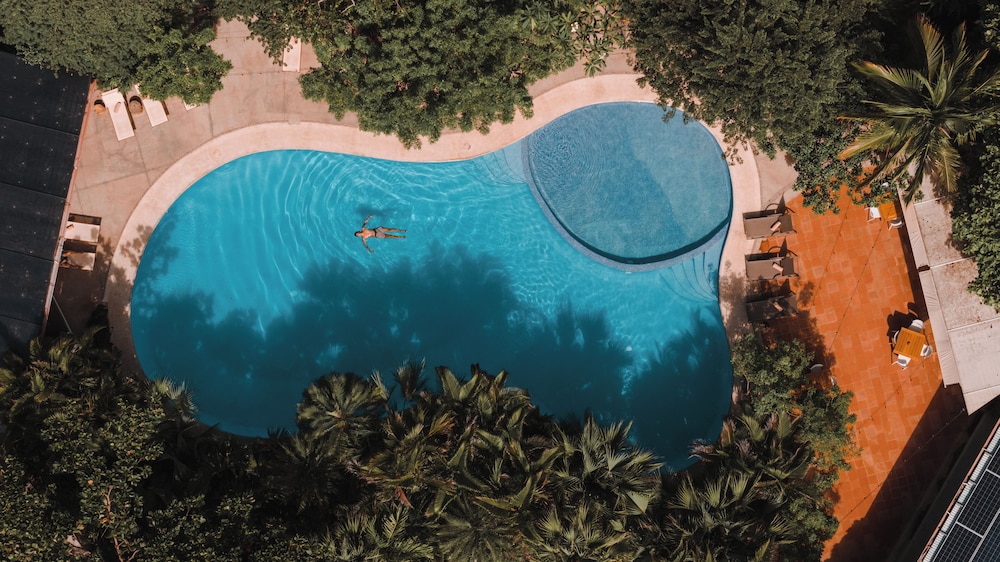
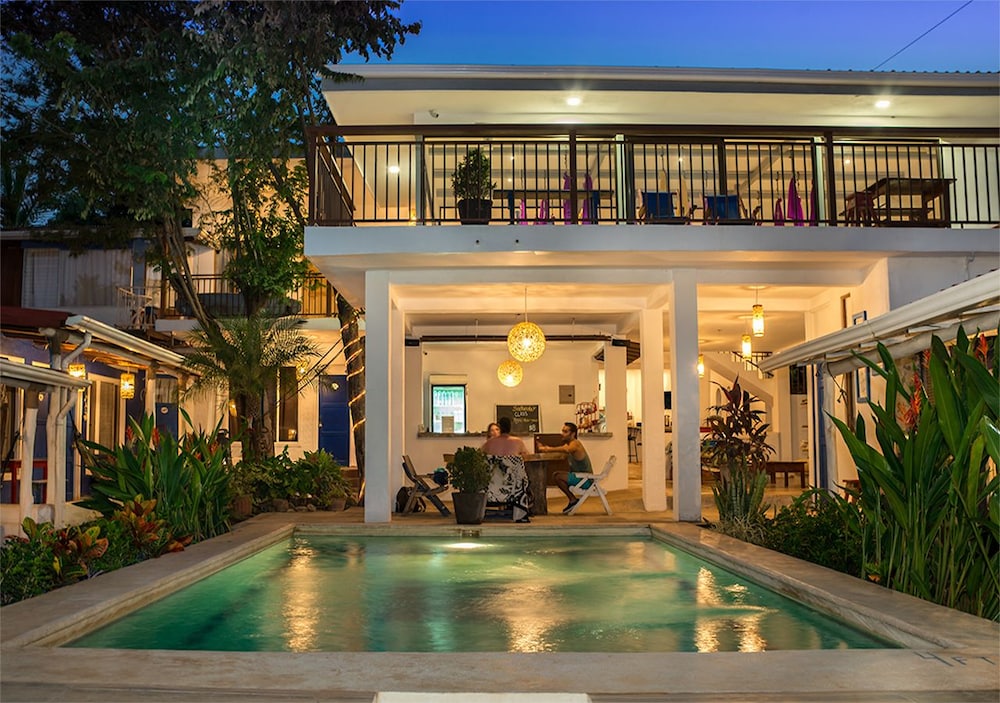
Surfhostels ab €15 pro Bett, Mittelklasse-Hotels mit Pools €80 bis €180, und das Strandresort ab €200.
Playa Langosta
Villen und ein paar ruhigere Resorts am Nischplatz, €150 bis €400, ohne Nachtleben.
Playa Grande
Surfcamps und vermietete Villen über das Ästuar, €60 bis €250, mit fast keinem Dorf.
Playa Avellanas
Ein paar Lodges und Villen am Surfstrand, €80 bis €220, zwanzig Minuten auf einer unbefestigten Straße.


Was du in Tamarindo essen solltest
Die meistgelobte Taquería der Stadt
Ein Strandclub-Restaurant, bei dem die Mahlzeit der Anlass ist
Die Brauerei-Kneipe der Volcano Brewing
Gegrilltes
Nationalgericht aus Reis, Bohnen, Salat, Kochbanane und einem Protein
Entdecke Food-Spots in Stippl
Finde Restaurants und Märkte auf der Karte, speichere sie in deiner Route, funktioniert auch offline.
Tamarindo-Sitten und was man nicht tun sollte
Der Spitzname ist Tamagringo
Die Stadt trägt ihren Ruf als Ausländer-Residenz und Pauschalreise-Ziel offen zur Schau; Spanisch und usted funktionieren in der Soda und an der Bushaltestelle besser als Englisch.
Die Schildkröten-Regeln sind die des Parks
Ein zertifizierter Führer, dunkle Kleidung, kein Licht, und der Strand in Playa Grande ist während der Nistzeit für nicht begleitete Besucher ab 17 Uhr geschlossen; die Ranger setzen dies durch.
Trinkgeld in Colones, nicht in Dollar
Die zehn Prozent stehen auf der Rechnung; ein Trinkgeld für einen Surflehrer oder eine Bootsbesatzung ist in lokalen Münzen, und Dollar werden zu einem schlechten Kurs in Colones gewechselt.
Das Ästuar ist eine Grenze
Krokodile kommen aus dem Ästuar und wurden schon am Tamarindo-Strand selbst gesichtet; kein Einheimischer watet über zu Playa Grande, und das Boot ist die Überquerung.
Tun
- Buchen Sie die Schildkröten-Tour durch die zertifizierten Führer des Parks
- Nehmen Sie eine Surfstunde in der Unterrichtszone
- Geben Sie Trinkgeld an Surflehrer und Bootsbesatzungen in Colones
- Nutzen Sie Spanisch in der Soda und an der Bushaltestelle
Lassen
- Überqueren Sie das Ästuar zu Fuß
- Gehen Sie nachts auf dem Nischplatz außerhalb einer Tour
- Nehmen Sie einen Collectivo; sie sind unlizenziert und nicht versichert
- Lassen Sie während des Schwimmens nichts im Sand
Was eine Tamarindo-Reise kostet
Budget
€47–75
Schlafsaal oder einfache Cabina, Sodas für die meisten Mahlzeiten, zu Fuß im Zentrum, eine bezahlte Aktivität jeden zweiten Tag.
Mittleres Preissegment
€105–170
Mittelklasse-Hotel-Doppelzimmer, eine Surfstunde und Restaurant-Abendessen, Happy-Hour-Drinks am Strand.
Luxus
€300+
Occidental Tamarindo oder JW Marriott Guanacaste, private Führer, private Transfers.
Behalte im Blick, was du wirklich ausgibst
Lege pro Land ein Tagesbudget fest und erfasse Ausgaben in jeder Währung, während du reist.
Wissenswertes über Tamarindo
Die größte Lederschildkröten-Kolonie an Costa Ricas Pazifikküste nistet hier. Etwa 800 Weibchen pro Jahr in Playa Grande, Ventanas und Langosta, in einem Nationalpark, der zu 98 % Meer ist.
Der Februar im Durchschnitt 3 mm Regen und Oktober 367 mm. Ein 122-facher Unterschied, der schärfste überall in Costa Rica, an einer Küste, die von Dezember bis April knochentrocken ist.
Das größte Mangrovensüßwasser-Ästuar in Lateinamerika liegt am Ende des Strandes. Das Estero de Tamarindo trennt die Stadt von Playa Grande, und die Bootsfahrten hinein sind der Wildnis-Tag.
Tamarindo hält Reisende länger als irgendwo sonst in Costa Rica. Auf Stippl hat es den längsten Durchschnittsaufenthalt des Landes, etwa dreieinhalb Nächte, in einer Stadt, die rund um Surfen, Sonnenuntergang und Nachtleben erbaut ist.
Las Baulas National Marine Park ist 175 Quadratkilometer, und nur 7,7 sind Land. Der Park umfasst die ganze Bucht, und er wurde für die Lederschildkröten geschaffen, nicht für den Strand.
Drei Schildkrötenarten nutzen den Park. Leder-, Olivenast- und Schwarzschildkröte, und die Nistplatz-Touren in Playa Grande finden in den dunklen Nächten zwischen Oktober und März statt.
Lokale Tipps für Tamarindo
asphaltiert von Liberia aus
Die ganze Strecke vom Flughafen ist gepflastert, daher ist kein 4x4 nötig und es ist in Ordnung, nach Einbruch der Dunkelheit zu fahren. Buchen Sie einen Shuttle oder ein Taxi im Voraus; es gibt kein Uber am LIR.
Vermeiden Sie die Collectivos
Es sind private Autos, die als Taxis ohne Lizenz oder Versicherung arbeiten, und sie kosten ungefähr €17 pro Meile. Nehmen Sie ein lizenziertes Taxi oder gehen Sie zu Fuß; die Stadt ist klein.
Die Panga über das Ästuar
Es gibt keine Brücke nach Playa Grande. Das Boot ist die Überquerung, ungefähr €2, und waten Sie nie: Krokodile kommen aus dem Ästuar und wurden schon am Tamarindo-Strand selbst gesichtet.
Wie lange zu bleiben
Die meisten geben Tamarindo 3 Nächte auf Stippl: eine Surfstunde, einen Katamaransuntergang und einen Tag in Playa Conchal. Die Hälfte der Tamarindo-Trips bleiben in Costa Rica.
Surfen in der Unterrichtszone
Rip-Strömungen existieren an einem Surfstrand und die Unterrichtszone vor der Stadt ist der sichere Teil davon. Fragen Sie die Schule, wo die Flaggen an diesem Tag sind.
Diebstahl ist das Hauptproblem
Taschendiebstahl und Dinge vom Sand sind die realistischen Risiken in einer Stadt, die sonst für Familien in Ordnung ist. Nichts Wertvollles am Strand, und kein Nischplatz nachts außerhalb einer Tour.
Tamarindo-Fragen, beantwortet
Kombiniere es mit Liberia statt San Jose. Der Flughafen ist etwa neunzig Minuten entfernt gegen viereinhalb Stunden von der Hauptstadt, also funktioniert eine Guanacaste-Woche am besten, wenn man im Norden an- und abreist. Tamarindo macht 3,6% von allem aus, das in Costa Rica auf Stippl geplant wird. Lege die Küstentage auf Stippl aus.
Drei Nächte. Die Tamarindo-Stops, die auf Stippl geplant sind, gehen auf 3 Nächte, was zu den längsten im Land gehört, weil es eine Stadt ist, in die sich Menschen einsiedeln, statt sie abzuhaken. Surfkurse, einen Sonnenuntergang und eine Tagesreise die Küste hinauf oder hinunter füllen es komfortabel.
Gleichmäßiger über das Jahr verteilt als überall sonst in Costa Rica. Reisende, die Tamarindo auf Stippl planen, buchen etwa 71 Tage im Voraus, und die Ankünfte verteilen sich eher, als in die trockenen Monate zu drängen, da die Wellen das ganze Jahr funktionieren und der Regen hier leichter ist als an der südlichen Pazifikküste.
Es ist der Unterrichtsstrand für diese Küste. Der Wellengang ist sandig, nachsichtig und lang, und die Schulen an der Küste führen den ganzen Tag Kurse durch. Erfahrene Surfer fahren eine halbe Stunde nördlich oder südlich für etwas mit mehr Form, was genau das ist, was den Hauptstrand so gut zum Lernen macht.
Ja, im Ästuar am nördlichen Ende des Strandes, und sie wurden im Sand gemeldet. Wate jedoch nicht zu Fuß durch das Ästuar, egal wie seicht es aussieht und wie viele Menschen du es tun siehst. Nimm stattdessen das Boot über: es kostet fast nichts und fährt den ganzen Tag.
Nein, obwohl es den Ruf hat und eine Reihe von Bars, die einiges dazu beitragen, ihn zu verdienen. Der gleiche Strand trägt Surfschulen voller Familien, Rentner, die bei Sonnenaufgang spazieren, und Schildkröten-Touren nachts. Es ist belebter und stärker bebaut als der Rest von Guanacaste, was eine andere Beschwerde ist.
Jeder Guide wird von der Stippl-Redaktion geschrieben und mit den Reisen abgeglichen, die unsere Reisenden tatsächlich planen. Etwas veraltet entdeckt? Sag uns Bescheid.
Plane Tamarindo in Stippl
Tagesplanung, Unterkünfte und Budget in einer App, mit jedem Ort aus diesem Reiseführer bereits auf der Karte.
App herunterladen