Japan Travel Guide: Everything You Need to Plan Your Trip
Japan is not a country that meets you halfway. From the moment you arrive, it absorbs you completely — the food, the precision, the contrasts of ancient and hypermodern all visible within a single city block. Whether you're planning a ten-day first visit or a month-long journey through the archipelago, this guide covers what to know, where to go, and how to make the most of one of the world's most rewarding travel destinations.
This guide covers the essentials: where to go, when to visit, what to eat, how to get around, and the specific corners of Japan that most visitors miss. Each section links to deeper guides so you can follow whatever thread interests you most.
Where to Go in Japan
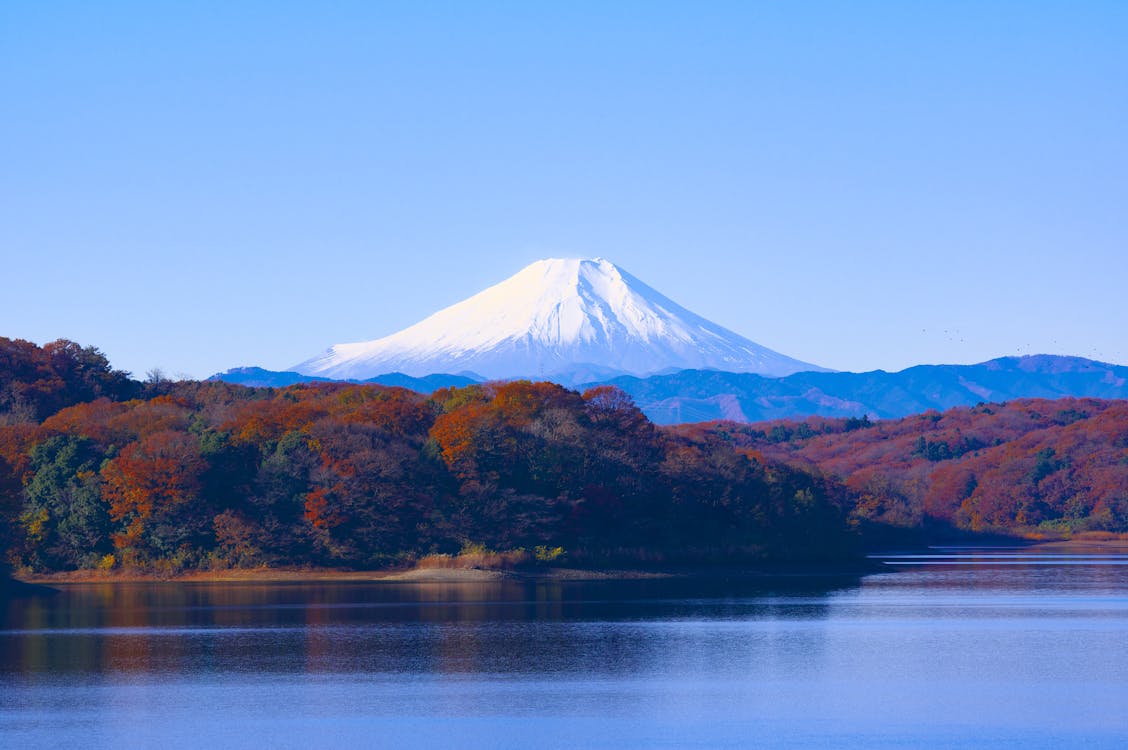 Photo by
 Japan's geography stretches far — from the snowy mountains of Hokkaido in the north to the subtropical beaches of Okinawa in the south. But for most first-time visitors, the Golden Route is the natural starting point: Tokyo, Nikko, Hakone, Kyoto, Nara, Osaka. This corridor is well-trodden for good reason.
The best places in Japan span everything from urban giants to quiet rural landscapes. If you're drawn to traditional Japan — wooden temples, tea houses, samurai districts — the most beautiful traditional cities in Japan will reshape your itinerary. Towns like Kanazawa, Matsumoto, and Takayama offer the atmosphere of Kyoto without the crowds.
Two weeks is the ideal minimum for a first trip. One week can work if you stay in the Kansai region (Kyoto, Osaka, Nara). Three weeks opens up Hiroshima, Hakone, the Nara deer park, rural Shikoku, and the very different Japan of the north.
Tokyo
 Photo by
 Tokyo is one of the world's great cities — simultaneously chaotic and eerily orderly, ancient and relentlessly modern. Shibuya crossing, Senso-ji temple in Asakusa, Harajuku, the Tsukiji outer market, Shinjuku's neon alleys at night — each district is essentially a city within a city.
Most visitors underestimate Tokyo. Two days gets you the highlights. Four days begins to scratch the surface. A week still leaves entire neighbourhoods unexplored.
A few things worth knowing before you arrive: the subway system is faster and more comprehensive than almost anywhere in the world, but it looks overwhelming at first. Get a Suica or Pasmo card at the airport and use it for everything. Cash still matters in Japan — 20 things to know about Japan according to travel bloggers covers the practical details that first-timers most often miss, from tipping culture (don't) to the quiet carriage etiquette on bullet trains.
For the best planning advice from people who have spent significant time in the country, 25 Japan travel tips for first-time travelers is the place to start.
Kyoto and the Cultural Heart of Japan
 Photo by Marek Piwnicki on Pexels
Kyoto is the old capital, and it still carries itself that way. More than 1,600 Buddhist temples and Shinto shrines, the preserved geisha district of Gion, the bamboo grove of Arashiyama, the thousands of vermillion torii gates winding up the forested hillside of Fushimi Inari — the city earns its reputation effortlessly.
The most beautiful traditional cities in Japan gives you the full picture beyond Kyoto alone: Nara, Kanazawa, Matsumoto, Nikko, Hagi, and others that reward slow travel. These are the places where Japan's history feels closest.
Culture in Japan also means navigating it respectfully. 10 Japanese etiquette must-dos for visitors covers the specific customs — shoes in temples, how to use an onsen, why you don't tip and why you should carry your rubbish — that make a genuine difference to your experience and to the welcome you receive.
What to Do in Kyoto
Beyond the famous temples, a few things worth building into your Kyoto time: an early morning at Fushimi Inari before 8am (the lower gates are nearly empty), a day trip to Nara for the deer, an evening in Gion during the blue hour when lanterns glow, and at least one meal of kaiseki — the multi-course seasonal tasting menu that Kyoto does better than anywhere.
Cherry Blossom Season
 Photo by
 Cherry blossom season — sakura — is the most celebrated time to visit Japan, and the hype is entirely justified. For two to three weeks each spring (typically late March to mid-April in Tokyo and Kyoto, later further north), parks, riverbanks, and temple grounds become clouds of pink and white. Hanami — flower viewing — is a national ritual, and locals take it seriously.
The perfect spring itinerary for Japan covers two weeks built around the sakura season: Tokyo parks and Ueno, the philosopher's path in Kyoto, Maruyama Park at night, the iconic views at Hirosaki Castle and the Chidorigafuchi moat in bloom.
Timing is everything — and it shifts by a week or more every year depending on temperature. What is the best season to visit Japan? breaks down each season through the eyes of five travel bloggers who have visited at different times of year. And if you want the definitive overview of timing by region and activity, the complete seasonal guide to Japan covers when to go and what to expect month by month.
One important caveat: cherry blossom season is Japan's peak travel period. Book accommodation six to twelve months ahead in popular cities like Kyoto. Prices spike, and good ryokan rooms are gone a year in advance.
Osaka and Western Japan
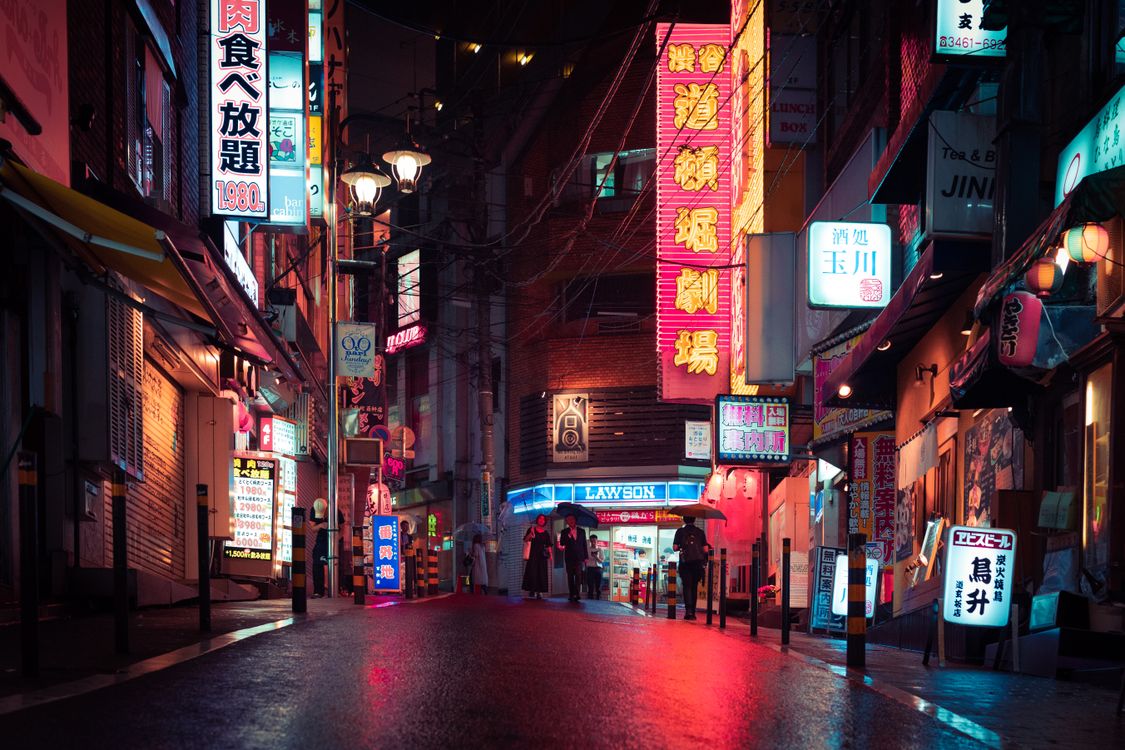 Photo by
 Osaka has a reputation as Japan's food capital, and it earns it. The city has a different energy to Kyoto — louder, warmer, more direct — and an eating culture, kuidaore (roughly "eat until you drop"), that takes pride in excess. Takoyaki (octopus balls), okonomiyaki, ramen at 2am in Dotonbori, kushikatsu fried skewers in Shinsekai — Osaka is where you eat brilliantly if you know where to look.
The best places in Japan puts Osaka firmly on the itinerary alongside Kyoto and Tokyo. The two cities are 15 minutes apart by Shinkansen and couldn't be more different in character.
Osaka is also home to one of the most significant international events in recent years: Japan's Expo 2025 on Yumeshima Island. The 10 things you need to know about the Expo cover what to expect, which pavilions stand out, how to get there, and why it is worth planning your Japan trip around it. Beyond Osaka, the Kansai region rewards slower exploration: Hiroshima and Miyajima (the floating torii gate) are a day trip by bullet train, Kobe offers mountain walks and the best beef in Japan, and Himeji has what many consider the country's finest surviving castle.
Japanese Food and Culture
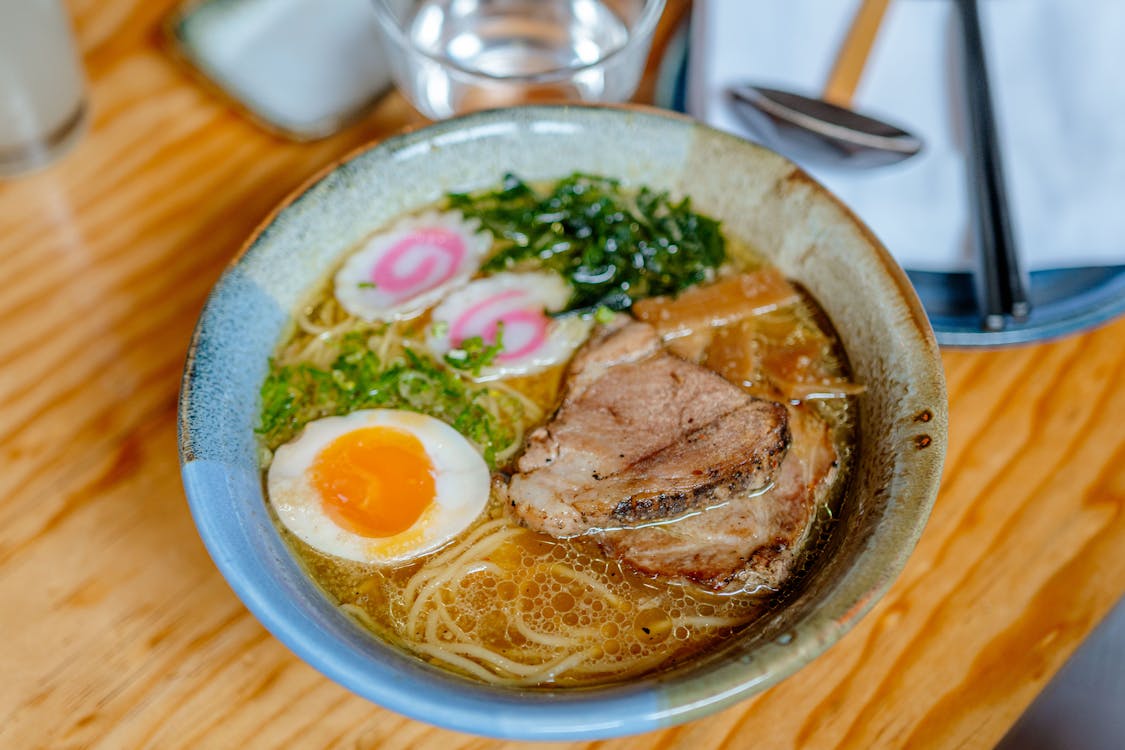 Photo by Viridiana Rivera on Pexels
Japanese food is both endlessly varied and deeply regional. Ramen in Hokkaido tastes nothing like ramen in Fukuoka. Kyoto has its delicate obanzai small plates; Tokyo has its standing sushi bars; Okinawa its entirely different flavours. Following the food is one of the best ways to structure a Japan trip.
20 things to know about Japan according to travel bloggers is a useful cultural primer that goes beyond food — covering everything from the concept of omotenashi (hospitality) to the etiquette of visiting an onsen, why you bow and how deeply, and the surprisingly complex relationship between Japan and the outside world.
Cultural appreciation also means understanding the etiquette rules that matter most. Japan is an extraordinarily welcoming country for visitors — but a little awareness of local customs pays enormous dividends in the quality of interactions you will have.
A few culinary things no first-timer should miss: conveyor belt sushi (kaiten-zushi) done properly at a good spot in Tokyo, a bowl of tonkotsu ramen in a standing bar, any convenience store onigiri at any time, and at least one izakaya dinner — the Japanese gastropub where small dishes and cold beer arrive in no particular order for hours.
Getting Around Japan
 Photo by Travel with Lenses on Pexels
Japan's train network is remarkable — clean, punctual, comprehensive, and genuinely enjoyable to use. The Shinkansen (bullet train) connects the main cities at up to 320km/h. The journey from Tokyo to Kyoto takes just over two hours; Tokyo to Osaka under three. Watching Mount Fuji slide past the window en route is one of the great travel experiences in Asia.
For visitors planning to travel between multiple cities, the JR Pass — a multi-day rail pass for foreign visitors — can save significant money and simplifies planning. Purchase it before you arrive (it is not available inside Japan at the same price), and it covers Shinkansen routes along the main Tokaido line plus local JR trains in major cities.
IC cards (Suica or Pasmo) handle everything else: local trains, metro, buses, and even convenience store purchases. Get one at the airport on arrival — it removes all friction from daily travel.
25 Japan travel tips for first-time travelers covers the transport logistics in full, including which JR Pass to buy for your specific route, how to book reserved Shinkansen seats, and how to navigate Japan's extraordinary convenience store culture.
Planning Your Japan Trip
 Photo by
 Japan rewards planning — particularly around accommodation and timing. A few things that make a genuine difference:
The best time to visit Japan overall is spring (March–May) and autumn (October–November). Both seasons offer incredible natural spectacle — sakura in spring, koyo (autumn foliage) in November — and comfortable temperatures for walking. Summer is hot, humid, and packed with domestic tourists. Winter is cold but beautiful, especially in the Japanese Alps.
For those still in the research phase, the Japan travel blogs worth following round up 11 bloggers with the most useful, up-to-date coverage of Japan — particularly helpful for specific regions and niche interests like solo travel, family trips, or rail-only journeys.
Some practical notes that come up for almost every traveller:
Visa: Most Western passport holders receive a 90-day visa-free stay on arrival.
Cash: Japan is still largely cash-based outside major cities and tourist areas. Withdraw yen at 7-Eleven ATMs — the most reliable for foreign cards.
SIM or eSIM: Mobile data is essential for maps, transit apps, and translation. An eSIM set up before departure is the easiest option.
English: Major train stations and tourist spots have English signage. Staff at hotels, airports, and popular attractions generally manage the essentials.
Accommodation: Ryokan (traditional Japanese inns) are one of Japan's great experiences — tatami floors, futon beds, communal onsen baths, multi-course dinner and breakfast included. Book far ahead for the best ones, especially in Kyoto.
Explore Japan's Key Destinations
Use the map below to get a feel for Japan's geography and plan your route between the main cities and regions:
Inspiration and Itineraries
 Photo by Eva Bronzini on Pexels
If you're still in the research phase, the best Japan travel blogs to follow are the fastest way to get real, experience-based advice from people who have spent significant time in the country. These blogs cover specific angles — solo female travel, budget backpacking, family trips, luxury ryokan stays — rather than generic overviews.
For a ready-made itinerary, two amazing weeks in Japan: the perfect spring itinerary is a day-by-day plan built around the sakura season, covering Tokyo, Hakone, Kyoto, Nara, and Osaka. It is a strong starting point even if you plan to adjust the route.
How to Use This Guide
This page is the starting point. Each link goes deeper on a specific aspect of Japan — a city, a season, a cultural detail, a practical question. The idea is to give you enough context to build a trip around your own interests.
A few ways to navigate it:
- First trip to Japan: Start with the best places to visit and 25 Japan travel tips, then build your route around the Tokyo–Kyoto–Osaka corridor.
- Cherry blossom trip: Go to the spring itinerary and best season guide first, then book early.
- Traditional Japan focus: Start with beautiful traditional cities and the etiquette guide.
- Food-first traveller: 20 things to know about Japan is where to begin.
- Visiting in 2025: Don't miss Japan's Expo 2025 in Osaka.
- Research phase: Follow the top Japan travel bloggers for up-to-date, first-hand advice.
- Timing your trip: Read the complete seasonal guide to understand what each month brings.
Japan changes every traveller who goes. The more you put in — the research, the planning, the willingness to get lost — the more it gives back. Start planning, then adjust as you go. The itinerary always changes once you're there — and that's usually a good thing.
Tip: Building your Japan itinerary? Use Stippl to plan your route visually, organise accommodation by city, and share a beautiful interactive trip link with your travel companions — all for free.