
Koh Tao
Koh Tao is waar Thailand leert duiken, in warm ondiep water met zeldzame stromingen, lage prijzen en klasgroottes die door wet zijn beperkt. Blacktip rif-haaien een kort zwemmetje van Shark Bay, en twee opzettelijk gezonken oorlogsschepen.
Koh Tao in het kort
Koh Tao: wat je kunt verwachten
Elk getal hier is afkomstig van 90.000+ geplande haltes op het eiland op Stippl.
Koh Tao is waar mensen leren duiken, en het hele eiland is daar omheen georganiseerd. Een Open Water cursus duurt drie dagen, dus het ritme is vroege boten en vroege nachten en het sociale leven volgt daarop. Rond het duiken is zonsondergang op Sairee, de witte zandbanken van Koh Nang Yuan een paar minuten van de noordwestkust, blacktip rif-haaien in Shark Bay en de klim naar John Suwan voor het uitzicht over twee baai. 29,5% van Thailand-reizen gepland op Stippl include het eiland.
Koh Tao houdt mensen langer dan enige andere grote plek in Thailand, en de cursus is waarom. De meeste reizigers geven het 4 nachten op Stippl, terwijl het land als geheel op drie uit loopt, en slechts 12,0% van de haltes hier zijn één nacht. Drie van die vier dagen is de certificering, wat een commitment is die je maakt voordat je aankomt in plaats van een beslissing die je op het strand neemt.
Geef het vier nachten als je duikt en drie als je niet duikt. Een niet-duikende verblijf is de lus aan de oostkust met de cliffdive in Tanote Bay, een ochtend in Koh Nang Yuan voordat de boten arriveren, en de klim naar John Suwan in stevige schoenen. Gecertificeerde duikers sturen op Chumphon Pinnacle en Sail Rock voor de grote dieren, en op de wrakken als kunstmatige riffen je interesseren. Kom tussen februari en april voor het kalste water, en niet van eind oktober tot december, wanneer de Golfen moesson zijn hoogtepunt bereikt.
Plan Koh Tao in Stippl
Planning per dag, verblijven en budget in één app, met elke plek uit deze gids al op de kaart.
Download de appVoor wie is Koh Tao
Beginnende duikers
Warm ondiep water, zeldzame stromingen, dichte schoolconcurrentie, lage prijzen, en sinds 2025 wettelijk beperkte klasverhoudingen.
Duikers kwalificaties stapelen
Advanced, Rescue, Divemaster, instructeur, freediving en conservatiecursussen worden allemaal hier verkocht, op elk niveau, wat is waarom mensen het 4 nachten geven.
Snorkelaars
Rif is bereikbaar vanaf het strand in veel baai, met blacktip rif-haaien in Shark Bay en Sai Daeng en schildpadden op verschillende locaties.
Solo backpackers en feest
Een herberg en strandtentscène gebouwd voor dit, geconcentreerd op de ene Sairee strip, en aanzienlijk kleiner dan Koh Phangan's.
Langdurig verblijf en trage reizen
Goedkope bedden, gyms, yoga, gezond eten en een resident expat duikgemeenschap maken een maand hier gemakkelijk verliezen.
Op land gebaseerde actieve reizigers
Granieten klimmen, baai-tot-baai wandelingen, cliffdiven en Muay Thai training vullen de dagen tussen duiken.
Misschien niet voor jou: niet-zwemmers; iedereen die niet op een scooter wil rijden en Sairee niet wil; reizigers met een vast schema van eind oktober tot december, wanneer de gouverneur elke boot aan wal kan bevelen; en iedereen die geen niveauvrije toegang nodig heeft, gezien de kades, boothoppen en steile wegen.
Het beste moment om Koh Tao te bezoeken
Droog en kalm
februari tot april
Het droogste, kalmste raam: kalme zee, elke boot vaart en de certificeringscursussen op volle toeren. April en mei brengen de heetste lucht.
Moesson rand
mei tot september
Koh Tao zit in de regenschaduw van de Golf terwijl de Andaman-kust doorweekt is: korte middagstormen in plaats van doorlopende neerslag, en het beste onderwaterzicht van het jaar.
Noordoost moesson
eind oktober tot december
Het echte natte seizoen van de Golf, uitlopend naar januari. November gemiddeld dicht bij een halve meter regen, de zeeën lopen ruw, en stay-ashore bevelen annuleren de veren.
- November is de uitschakelmaand van het eiland. De natste maand, het hoogste annuleringsrisico en de maand dat de kleine duikscholen historisch sluiten; een cursus geboekt voor november is een cursus geboekt voor de verkeerde maand.
- Januari is de maand waarop de meeste reizigers Koh Tao op Stippl plannen, ongeveer 80 dagen van tevoren. Slechts 10,0% van de plannen worden binnen twee weken gemaakt, en een driedaagse cursus is een verbintenis die voordat de boot gaat wordt aangegaan.
- Zicht bereikt zijn hoogtepunt van juli tot september, tot dertig meter, wat niet het beste weerkader is. De moesson van de Golf draait tegengesteld aan die van de Andaman, en dit is de meest voorkomende Thaïland-planningsfout.
- De oversteek van Samui is de enige die wordt geannuleerd. Zeventig kilometer open water; van eind oktober tot februari een reservedag aan beide zijden geven aan de transfer.
Voeg je data voor Koh Tao toe en wij waarschuwen je voor het weer
Stippl laat het seizoen, de drukte en de prijzen zien voor elke stop op je route.
Beschrijf je reis en krijg in seconden een reisroute voor Koh Tao
Alles in deze gids staat al in Stippl. Vertel de planner hoeveel tijd je hebt en wat je leuk vindt: hij bouwt de route, de dagen en de reistijden, en jij past aan wat je wilt.
Dingen om te doen op Koh Tao
 Photo by Visions of Domino via Wikimedia
Een Open Water-certificering
Volg de driedaagse cursus waar de meeste mensen heen gaan, ongeveer €260 tot €350 met de accommodatiedeal, in warm water met zwakke stroming en een wettelijke limiet van vier studenten per instructeur. Het hele ritme van het eiland draait om het cursusschema.
Zwarttiprifhaaien bij Shark Bay
Zwem ongeveer 250 meter vanaf het strand naar waar de bodem op drie meter diep valt, vroeg in de ochtend of aan het einde van de middag, en blijf roerloos; de haaien zijn een meter lang en ongeïnteresseerd. Gratis vanaf het strand, of kijk toe vanaf het terras boven de baai.
Koh Nang Yuan
Neem de vijf minuten durende longtail vanaf de noordwestkust naar de drie eilanden verbonden door witte zandbanken en klim naar het uitzichtpunt achter Thailands meest gefotografeerde eilandfoto. Ongeveer €7 met de landingskosten; ga vroeg en laat de plastic flessen op de boot.
John Suwan Viewpoint
Klim vijftien tot twintig minuten aan de zuidpunt voor het dubbel-baaiuitzicht over Chalok en Shark Bay, ongeveer €1. Combineer het met Freedom Beach hieronder, draag echte schoenen en ben voor zonsondergang beneden.
De wrakken en pieken
Duik HTMS Sattakut, een oorlogsschip dat in 2011 op dertig meter is gezonken, en de pieken bij Chumphon en Sail Rock, waar walvishaai voorbij gaan in het voorjaar. Twee recreatieduiken kosten ongeveer €50 met uitrusting.
Kliffspringen bij Tanote Bay
Zwem naar de rots in de baai, klim er op de touwen op en spring; er is maar één weg naar beneden. De oost-kusten scooterloop die deze omvat is de dag waar iedereen aan terugdenkt, en de weg vereist een degelijke motor.
De wijken van Koh Tao
Sairee
Lang strand, duikscholen, tenten
Het lange weststrand en het eilandcentrum: het gros van de duikscholen, vrijwel alle nachtleven en de zijde van de zonsondergang. Voor eerste bezoeken en iedereen die een cursus doet; het strand wint op sfeer, niet uiterlijk.
Alles ter voet en elke avond uit, en een strand dat niet het beste van het eiland is.
Mae Haad
Kade, banken, straateten
De veerkade en het praktische centrum: aankomsten, banken, de duikmedicijnpost, veel duikwinkels en het straathuiskeukencentrum, druk bij veertijden. Voor budgetreizigers en een eerste of laatste nacht bij de boot.
Het goedkoopste eten en elke vertrek, en een werkende haven in plaats van een strand.
Chalok Ban Kao
Rustig dorp, schildpaddenstrand
Het rustigste en meest lokaal aanvoelende dorp aan de zuidkust, met het derde grootste strand, duikcentra, een 7-Eleven en een schildpaddenbeschermingsprogramma. Voor rustige verblijven en duikers die Sairee's avonden niet willen.
Kalm en een dorp, en een scooter voor alles aan de andere kust.
Tanote Bay
Afgelegen resorts, steile weg
Een resort cluster aan de oostkust in plaats van een dorp: weinig restaurants buiten de resorts, goed snorkelen vanaf het strand en de cliffdiving rock, en een berucht steile toegangsweg. Voor stellen die de zee bij de deur willen.
Snorkelen van het zand, en de keukens van het resort voor elke maaltijd.
Shark Bay
Palmbaaí, rif haaien
Een met palmen omzoomde privébaai in het zuidoosten met één resort en een strandbetaling, en het eilands handtekening snorkel met blacktip rif-haaien een paar honderd meter eraf. Voor snorkelaars en een rustige resortnacht.
Haaien voor het strand, en een vergoeding om het zand te bereiken als je niet verblijft.
Bekijk elke wijk van Koh Tao op één kaart
Bewaar de buurten die je leuk vindt en Stippl plant je dagen zodat je de stad niet twee keer doorkruist.
Waar te overnachten in Koh Tao
Blijf in Sairee als je aan het duiken bent en gezelschap op de avond wilt, of als je geen scooter hebt: de duikscholen, het nachtleven en de zonsondergangkant zijn allemaal hier. De meeste mensen geven Koh Tao 4 nachten op Stippl, de duur van een Open Water-cursus. Vraag precies wat in de cursusprijs inbegrepen is; gratis nachten waren standaard en zijn dat vaak niet meer.
Sairee
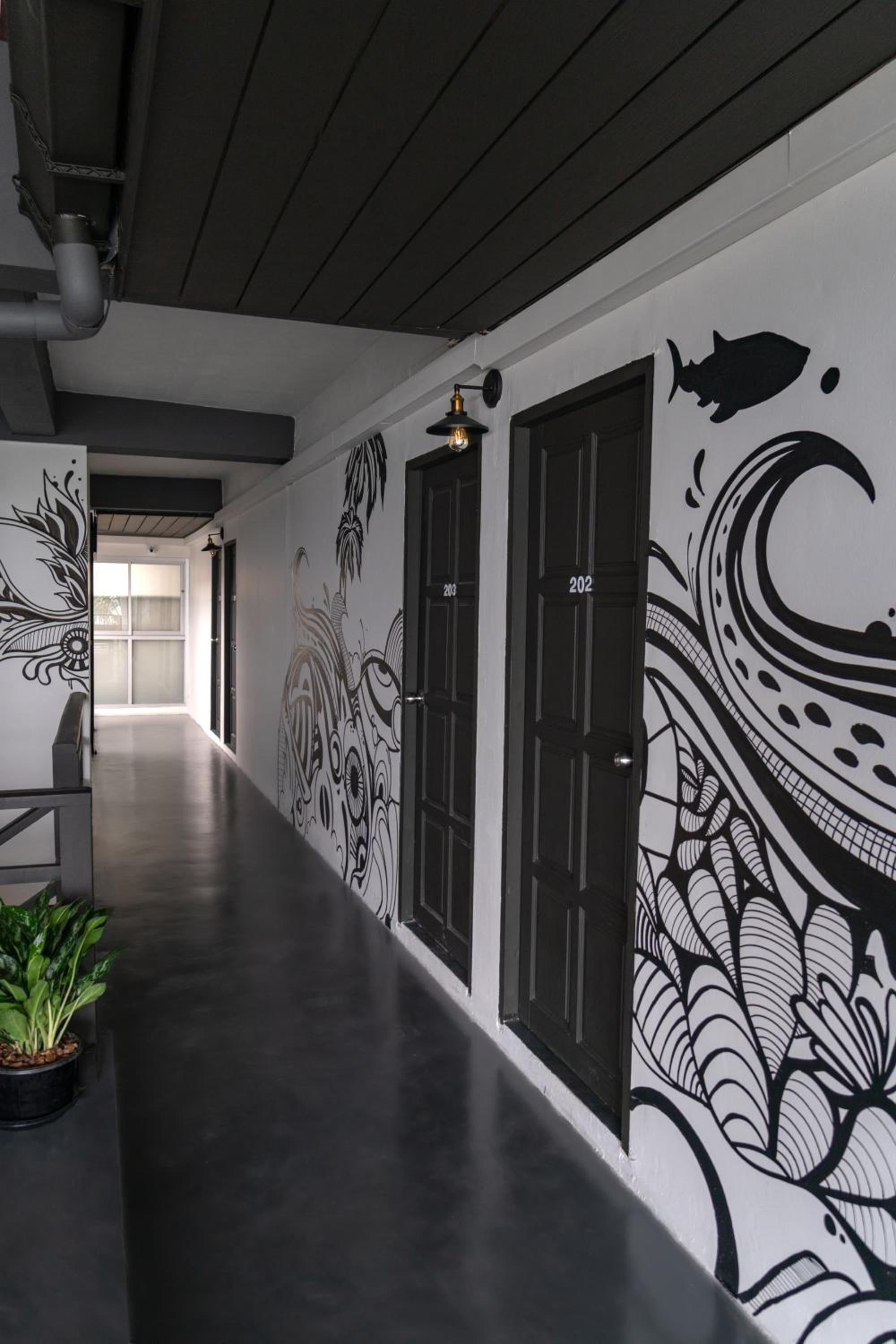
Duikhostels en feesthostels, dortens €10 tot €26, met strandresorts €50 tot €120 in het zand.
Mae Haad
Kleine hotels en duikschoolkamers bij de pier, €26 tot €60, voor een late aankomst of vroege veerboot.
Chalok Ban Kao
Bergflankende sociale hostels en rustige duikresorts, €12 tot €70; bergflankchamers ruilen een uitzicht in voor een steile weg.
Tanote Bay
Een cluster van resorts met eigen restaurants, €40 tot €120, en verder weinig op loopafstand.
Shark Bay
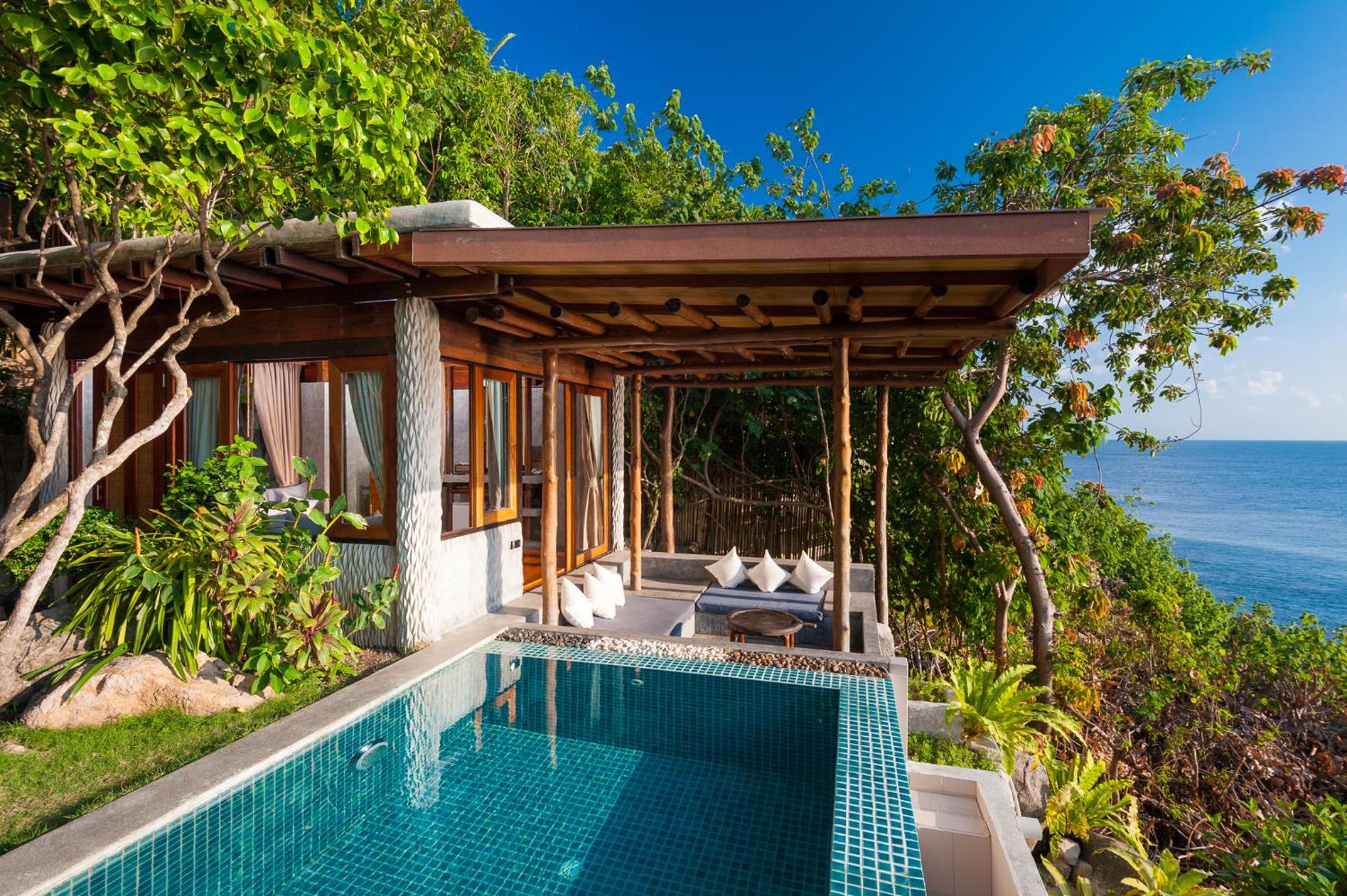
Eén resort met bungalows en villa's op een privébaai, vanaf €100, met strandtarief voor buitenstaanders.


Wat je moet eten in Koh Tao
pad thai, som tam en curries van karren en familiekeukens, 40–60 THB per bord
een ongewoon groot vegetarisch/sap/bowl sector voor een klein Thais eiland, aangedreven door langdurig verblijven duikers
vroeg opengestelde cafés en bakkerijen; een afhaal sandwich voor de boot is een standaard bestelling
Ontdek eetadresjes in Stippl
Vind restaurants en markten op de kaart, bewaar ze in je reisroute, werkt ook offline.
Koh Tao-gewoonten en wat je niet moet doen
Rifetiquette is nu wettelijk voorgeschreven
Sinds april 2025 is veel ervan wettelijk voorgeschreven: blijf twee meter uit de buurt van koraal, geen aanraking of hantering van marien leven, inclusief gidsen, geen visvoeding en geen ankeringen boven het rif.
De locals zijn duikexpats
Instructeurs en langdurig verblijvende expats vormen de feitelijke gemeenschap van het eiland en de diensteneconomie wordt grotendeels door buitenlanders gerund; de Thaise bevolking is klein en de tempel is van hen.
Veel ervan is privéland
De uitzichtpunten en enkele stranden liggen erop, dus de toegangskosten en drankregels volgen daaruit voort en over onderhandelingen wordt niet gesproken; longtailtarieven naar Nang Yuan zijn vast.
Geen plastic op Koh Nang Yuan
Wegwerpflessen zijn op het eiland verboden en er worden tassenchecks bij aankomst gedaan; neem een herbruikbare fles en zonnebrandcrème die veilig voor riffen is mee.
Wat Koh Tao is gratis
De moderne tempel van het eiland, gebouwd in 2018, is gratis toegankelijk met bedekte schouders en knieën, en het is de enige plek op het eiland die geheel Thais is.
Wel doen
- Vraag een duikschool naar haar ratio's; één op twee voor een proefduk en één op vier voor een cursus zijn de wettelijke maxima
- Fotografeer de scooter in detail voordat je wegrijdt, en betaal een geldwaarborg in plaats van je paspoort
- Voer klein contant geld bij je voor strand- en uitzichtpunttoegangskaarten
- Boek cursussen alleen in het hoogseizoen van tevoren; inloopplaatsing is anderszins normaal
Niet doen
- Overhandig je paspoort als verhuurwaarborg
- Raak, trap of achtervolk marien leven; het jaagt de haaien af en breekt sinds 2025 de wet
- Neem een camera mee op een trainingsduik tenzij je Advanced Open Water hebt of veertig gelogde duiken; het is illegaal
- Verbind je aan een duikschool via tussenpersonen op andere eilanden of bij de pier; bekijk de scholen voordat je tekent
Wat een Koh Tao-reis kost
Houd bij wat je echt uitgeeft
Stel per land een dagbudget in en log uitgaven in elke valuta terwijl je reist.
Leuke weetjes over Koh Tao
De naam Koh Tao betekent Schildpaddeneiland. Groene en hagedisschildpadden voeden zich ermee en nestelen eromheen, en een duikschoolprogramma heeft sinds de jaren 2000 tientallen juvenielen gefokt en uitgezet.
Twee schepen van de Koninklijke Thaise Marine zijn opzettelijk gezonken als duiksites. HTMS Sattakut ging in 2011 naar beneden en HTMS Suphairin in 2023, een formeel beleid om duikers weg te trekken van het natuurlijke rif.
De riffen van Koh Tao worden wekelijks onderzocht. Het Ecological Monitoring Program levert een van de langste aaneengesloten rifgegevensreeksen in de Golf van Thailand.
Koh Tao is geen nationaal park, dus kreeg het de hitte zonder de sluiting. De massale bleking trad op in juni 2024, maar Koh Tao stond niet onder de twaalf marinepark die het gouvernement dat jaar sloot.
Koh Tao is ongeveer 21 vierkante kilometer. Je kunt er in ongeveer tien minuten doorheen rijden, en de meeste bezienswaardigheden liggen binnen een uur lopen van elkaar.
Sinds april 2025 wordt duiken hier geregeld door nationale wetgeving. Ratio's, begeleiders en cameravereisten worden vastgesteld door het Ministerie van Natuurlijke Hulpbronnen en Milieu, de eerste keer dat toezicht wettelijk is in plaats van gebaseerd op agencystandaarden.
Lokale tips voor Koh Tao
Drie exploitanten bedienen Mae Haad
De catamarans van Lomprayah, de expressboten van Songserm en Seatran vanaf Samui landen allemaal bij de ene pier, en het rechtdoortticket vanuit Bangkok is dat van Lomprayah. Meld je een uur van tevoren aan en houd je aan twintig kilo.
Veertijden lopen uit
Elk aangehaald cijfer is optimistisch: Samui is ongeveer drie uur op de snelste vaart, niet twee. Tickets zijn inwisselbaar en niet-terugbetaalbaalbaar, en een waarschuwing voor ruw weer annuleert elke boot tegelijk.
De scooter is het ongeluk
Wegen zijn kort, zeer steil en vaak zand over beton, en schaafwonden zijn het embleem dat elke bezoeker ziet. Loop tussen Mae Haad en Sairee; de songthaews wachten bij de pier op de rest.
Hoe lang blijven
De meeste mensen geven Koh Tao 4 nachten op Stippl, langer dan welke andere grote Thaise plek dan ook, omdat de duikcursus drie of vier dagen duurt. Boek eerst de cursus, dan de kamer.
Kies de duikschool persoonlijk
De tussenpersonen op Samui en Phangan zetten je onder druk om vast te leggen voordat je aankomt; boek geen school die je niet hebt gezien. Het eiland heeft sinds 2023 een herbeleekskamer.
Hou je paspoort
Laat het nooit als verhuurwaarborg achter; laat een fotokopie en contanten achter. Rijden zonder de motorfietsklas op je IDP betekent dat de boete het kleine deel is en de verzekering niet betaalt.
Koh Tao-vragen, beantwoord
Besluit eerst of je duikt, omdat een cursus drie dagen vastlegt en al het andere er omheen beweegt. Leg de Golfeilanden uit in Stippl en lees de boottijden ertussen in plaats van de afstanden. Vraag dan naar mensen die hier een cursus hebben gedaan, in subreddits als r/ThailandTourism of de Facebook groepen.
Bijna altijd: 73,6% van de reizen die Koh Tao op Stippl include dragen ook Koh Samui, en de meeste van die pakken Koh Phangan onderweg op. De drie zitten binnen een paar uur van elkaar met boot, en de veertabellen zijn gebouwd rond precies die run doen.
Nee, hoewel je hier in de minderheid bent. De lus aan de oostkust, de cliffdive in Tanote Bay, een ochtend in Koh Nang Yuan en de John Suwan klim vullen twee of drie dagen zelf, en het snorkelen in Shark Bay zet je over blacktip rif-haaien zonder tank.
Drie dagen theorie, zwembadsessies en open wateren duiken, met een wettelijk maximum van vier leerlingen per instructeur sinds de nationale regels veranderden. Het water hier is warm en laag stroming, wat is waarom het eiland de plek werd waar mensen certificeren. Boek het vóór de rest van de stop, omdat de cursus de dagen bepaalt in plaats van eromheen te passen.
Geen, dus je komt wat je anders ook doet met boot aan. Catamarans rijden van Chumphon in ongeveer anderhalf uur, van Koh Phangan in ongeveer twee uur en van Koh Samui in ongeveer drie. 92,8% van Koh Tao stops gepland op Stippl zitten in het midden van een route, wat de boten bepalen in plaats van de reizigers.
Februari tot april, met juni tot september als het waardevenster wanneer prijzen dalen en het duiken goed blijft. Wat te vermijden is eind oktober tot december, wanneer de Golfen moesson zijn hoogtepunt bereikt en boten geannuleerd worden. Reizigers wachten 80 dagen tussen het plannen van een Koh Tao stop op Stippl en aankomst, wat genoeg tijd is om de maand te kiezen.
Elke gids is geschreven door de Stippl-redactie en getoetst aan de reizen die onze reizigers echt plannen. Iets verouderds gezien? Laat het ons weten.

Plan Koh Tao in Stippl
Planning per dag, verblijven en budget in één app, met elke plek uit deze gids al op de kaart.
Download de app